Technology · Dev
Japanese Supplier Delivers Rare-Earth-Free Motors to German Automakers
Mitsuba's neodymium-free sunroof motors mark a shift toward reducing exposure to volatile rare-earth markets and supply concentration risks
KEY TAKEAWAYS
- ·Mitsuba began shipping sunroof motors without rare-earth elements to German luxury automakers, eliminating neodymium from the design.
- ·The move addresses price volatility and supply concentration in rare-earth markets, where China controls over 60 percent of global production.
- ·Successful deployment in premium vehicles could accelerate adoption across mass-market segments and larger motor applications within a few years.
A Shift in Automotive Supply Chains
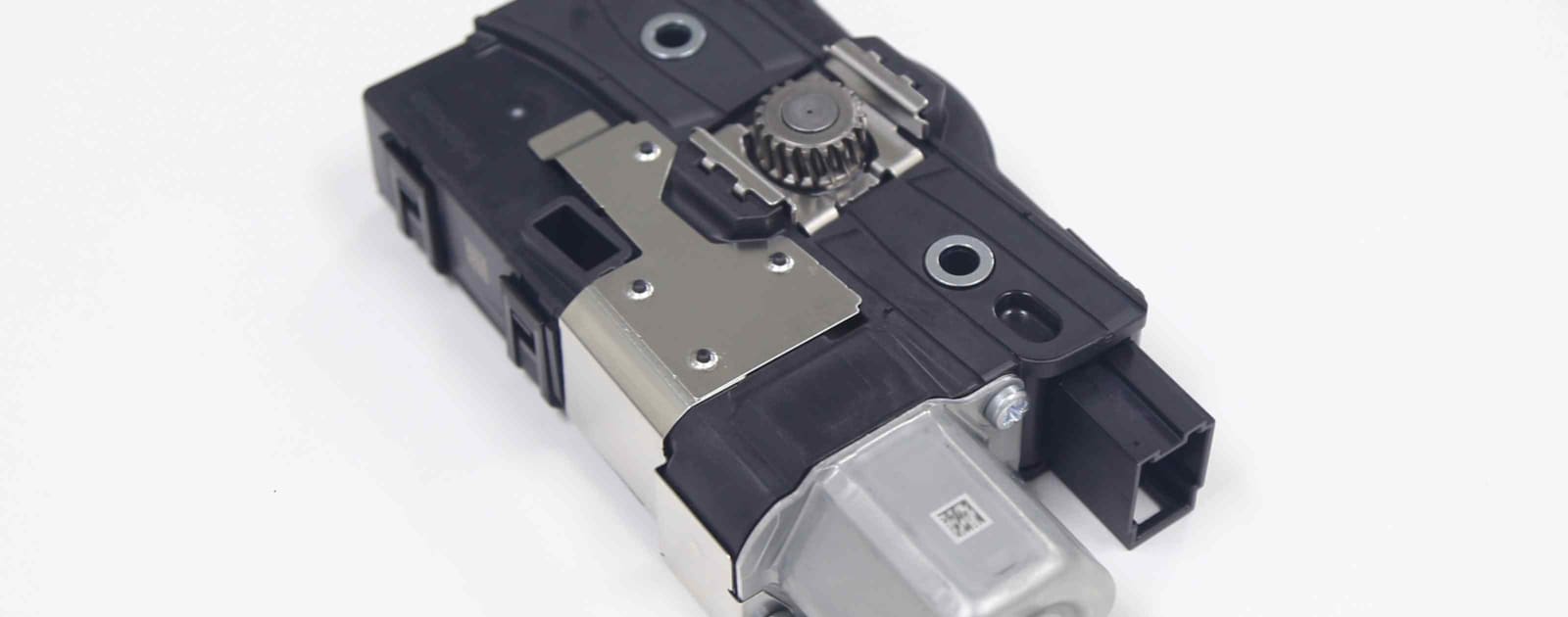
Mitsuba, a Japanese automotive components manufacturer, has started delivering sunroof motors free of rare-earth elements to German luxury vehicle producers, the company announced Thursday. The new motors eliminate the need for neodymium, a rare-earth material that has historically been essential in earlier motor designs.
The move reflects a broader industry trend as automakers and their suppliers work to reduce dependence on rare-earth materials, which are subject to price volatility and concentrated supply chains. Neodymium, used in high-performance permanent magnets, has been a standard component in automotive motors, but its cost and availability have prompted manufacturers to explore alternatives.
Why Suppliers Are Moving Away from Rare Earths
Rare-earth elements, despite their name, are not necessarily scarce in the Earth's crust. However, their extraction and processing are concentrated in a handful of countries, creating supply-chain vulnerabilities. Neodymium prices have experienced significant swings over the past decade, driven by geopolitical tensions, export restrictions, and demand surges from electric vehicle and electronics industries.
For automotive suppliers like Mitsuba, eliminating rare-earth content offers two strategic advantages: insulation from price shocks and reduced exposure to supply disruptions. Sunroof motors, while smaller components compared to powertrain systems, represent a testing ground for rare-earth-free technologies that could eventually scale to larger applications.
The company's decision to ship these motors to German luxury brands signals confidence in the performance and cost-effectiveness of the new design. German automakers have been under pressure to diversify their supply chains, particularly for critical materials, as European regulators push for greater transparency and resilience in automotive sourcing.
Technical and Commercial Implications
Replacing neodymium in motor designs typically requires alternative magnet materials or entirely different motor architectures. Ferrite magnets, for example, can substitute for rare-earth magnets in some applications, though they generally offer lower power density. Advances in motor control electronics and design optimization have made it feasible to achieve comparable performance without rare-earth content in certain use cases.
Mitsuba's announcement did not disclose the specific technology used in the new motors, but the company's ability to secure orders from premium automakers suggests the performance gap has narrowed sufficiently for non-critical applications. Sunroof motors operate in a relatively forgiving environment compared to traction motors in electric vehicles, where weight, efficiency, and power density are paramount.
The commercial implications extend beyond Mitsuba. If rare-earth-free motors prove reliable and cost-competitive in volume production, other suppliers may accelerate similar programs. This could gradually reduce the automotive industry's overall rare-earth consumption, easing pressure on global supply and dampening price volatility.
Asia's Role in the Rare-Earth Equation
The shift away from rare earths carries particular significance for Asian automotive supply chains. Japan has long been a hub for precision motor manufacturing, but it relies heavily on imported rare-earth materials. Reducing or eliminating this dependency strengthens the competitive position of Japanese suppliers and aligns with government efforts to secure critical material supply chains.
China currently dominates global rare-earth production and processing, controlling over 60 percent of mined output and an even larger share of refining capacity. Beijing's periodic export restrictions and licensing requirements have prompted Japan, the United States, and European nations to invest in alternative sources and technologies. Mitsuba's rare-earth-free motors fit within this strategic reorientation.
Meanwhile, other Asian countries are watching closely. South Korea and India, both expanding their automotive manufacturing footprints, face similar rare-earth dependencies. Successful commercialization of rare-earth-free components by Japanese suppliers could provide a roadmap for regional players seeking to reduce material risks.
The German automakers receiving Mitsuba's motors have not been named, but the luxury segment's adoption is notable. Premium brands often serve as early adopters for new technologies, validating performance before wider rollout. If the motors perform as expected in high-end vehicles, mass-market adoption could follow within a few years.
What Comes Next
Mitsuba's shipment marks a tangible step in the automotive industry's effort to decouple from rare-earth supply chains, but the road ahead remains long. Sunroof motors represent a small fraction of the rare-earth content in modern vehicles. The real test will come when suppliers attempt to eliminate rare earths from larger, more demanding applications such as power steering, braking systems, and especially electric vehicle traction motors.
Several automakers and suppliers have announced research programs targeting rare-earth-free traction motors, but commercial deployment remains years away. The technical challenges are steeper, and the performance trade-offs more consequential. Still, incremental progress in smaller components builds the knowledge base and supply-chain infrastructure needed for larger breakthroughs.
For now, the shipment of rare-earth-free sunroof motors to German automakers demonstrates that alternatives are not merely theoretical. They are entering production, passing quality standards, and finding their way into premium vehicles. That progression, however modest, signals a shift in how the automotive industry approaches material sourcing and supply-chain risk.
RELATED STORIES
Fujitsu to Exit Commodity Hardware as AI Shifts Production Strategy
Aiko Nakamura · 4 min
Minebea Mitsumi Halts Acquisitions to Prioritise AI Component Demand
Cheng Wei-Lun · 3 min
Kioxia Rules Out SK Hynix Merger, Focuses on Stabilising Memory Chip Prices
Tran Quoc Bao · 3 min
Kioxia Rules Out SK Hynix Manufacturing Partnership Despite Memory Boom
Jun-ho Seo · 3 min
Spot something wrong? Email editor@briefasia.com. We log every correction publicly.