Asia · Business
Japanese Manufacturers in Indonesia Face Profit Squeeze From Currency Collapse
Nearly half of surveyed firms expect declining earnings as rupiah's 7.5 percent drop drives up dollar-denominated import costs and logistics expenses
KEY TAKEAWAYS
- ·A JETRO survey of 205 Japanese manufacturers in Indonesia found nearly half expect declining profits this year as the rupiah dropped 7.5 percent against the dollar since January.
- ·The currency weakness, combined with higher logistics costs from Middle East conflict, pushed dollar-denominated import expenses above projected levels for firms relying on overseas suppliers.
- ·Bank Indonesia intervened with an unscheduled rate hike in June after the rupiah breached its 1997-98 crisis low, stabilizing the currency but not reversing earlier damage to corporate margins.
Currency Shock Hits Operating Margins
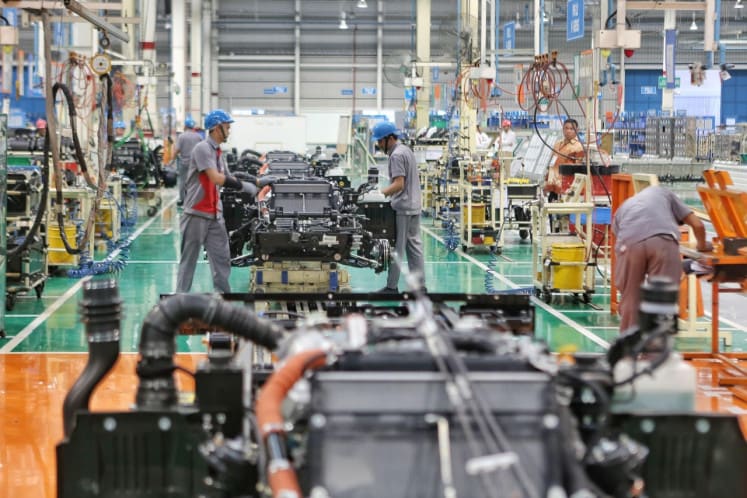
Japanese manufacturers in Indonesia are confronting a sharp profit contraction as the rupiah's steep slide against the dollar drives up costs across their supply chains. A survey of 205 Japanese manufacturing operations conducted between April and May found that nearly half anticipate declining earnings this year, a stark reversal from optimism expressed just months earlier.
The rupiah has weakened approximately 7.5 percent since January, sliding from 16,675 per dollar to 17,940 by late July. That depreciation has made Indonesia's currency the worst performer in Asia over the period, according to JETRO Jakarta senior director Yamada Kenji. The currency briefly touched 18,200 per dollar in June, surpassing the historic low of 17,300 set during the 1997-98 Asian Financial Crisis.
Most procurement contracts for Japanese firms operating in Indonesia are denominated in US dollars, meaning the rupiah's weakness translates directly into higher costs for imported components, raw materials, and logistics. "Import costs are rising due to weak currency," Yamada told reporters on Friday, summarizing the survey findings.
Conflict and Logistics Strain
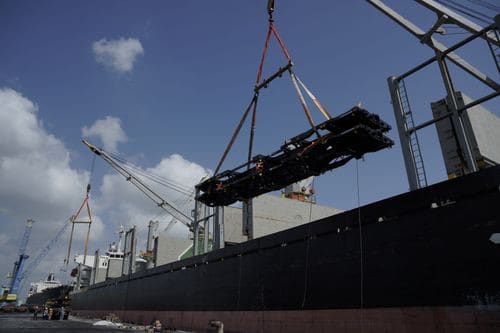
The currency pressure arrived alongside a separate cost shock from the Middle East. Fighting that began in late February disrupted shipping routes and drove up freight rates, compounding the margin squeeze for manufacturers already navigating thin profitability in Indonesia's competitive industrial landscape.
The survey noted that "exchange rate fluctuations have been greater than anticipated, and combined with soaring transportation costs, purchase prices exceed projected levels, putting pressures on profits." Houthi attacks on vessels transiting the Red Sea forced shipping companies to reroute cargo around Africa, adding days and expense to Asia-bound deliveries.
The rupiah's decline unfolded gradually at first, then accelerated sharply in late May and early June. Bank Indonesia intervened with an unscheduled interest rate hike in June to stabilize the currency, breaking from its usual monthly policy cycle. The move helped arrest the slide, but the damage to corporate planning was already done.
A Swift Reversal in Outlook
The profit pessimism marks a rapid shift in sentiment. A JETRO survey conducted in August and September of the previous year found that more than one-third of Japanese companies in Indonesia expected profit growth in 2026. That confidence evaporated as geopolitical risk materialized and currency volatility exceeded corporate hedging assumptions.
Japanese investment in Indonesia has historically concentrated in automotive assembly, electronics manufacturing, and industrial components. Many of these operations rely on imported intermediates and capital goods priced in dollars, leaving them exposed to rupiah swings. Unlike exporters who can benefit from a weaker local currency, manufacturers serving Indonesia's domestic market face a one-sided cost increase.
Regional Implications
The profit warning from Japanese firms in Indonesia adds another data point to a broader pattern of currency stress across Southeast Asia's frontier economies. While regional peers like Thailand and Vietnam have maintained relative stability, Indonesia's external financing needs and current account dynamics have left the rupiah vulnerable to capital flight during periods of global risk aversion.
The currency's performance also raises questions about Indonesia's attractiveness for new foreign direct investment at a time when the government is courting manufacturers looking to diversify supply chains away from China. A weaker rupiah theoretically makes Indonesian labor cheaper in dollar terms, but the volatility itself introduces planning risk that multinational corporations weigh heavily in location decisions.
Bank Indonesia has signaled its commitment to currency stability, deploying both rate hikes and foreign exchange reserves to defend the rupiah. Whether that intervention can restore predictability for manufacturers remains an open question as Middle East tensions persist and global monetary conditions stay tight.
RELATED STORIES

Indonesia Charges Toba Pulp Lestari in $113 Million Tax Fraud Probe
Siti Nuraini · 3 min

Indonesia's Instant Noodle Consumption Falls for First Time in Five Years
Priyanka V. Rao · 3 min

Indonesia Unveils Bid to Become Global Commodity Price-Setter
Priyanka V. Rao · 3 min
Indonesia's Record Current Account Deficit Threatens Rupiah Stability
Siti Nuraini · 3 min
Spot something wrong? Email editor@briefasia.com. We log every correction publicly.