Asia · Politics
Japan Warns Companies of Sophisticated Espionage Tactics Targeting Trade Secrets
Police briefings reveal how foreign operatives use fluent language skills and casual encounters to extract confidential corporate information
KEY TAKEAWAYS
- ·Japanese police are briefing technology companies in Tsukuba on espionage tactics where operatives use fluent Japanese and interpersonal skills to extract trade secrets through seemingly innocent encounters.
- ·The electronics and precision manufacturing sectors face heightened risk as foreign intelligence operations target proprietary information about production processes and advanced materials with dual-use applications.
- ·Authorities recommend companies establish clear protocols for unsolicited inquiries and security training as Japan strengthens counterintelligence frameworks amid intensifying regional competition for technological advantage.
Police Sound the Alarm
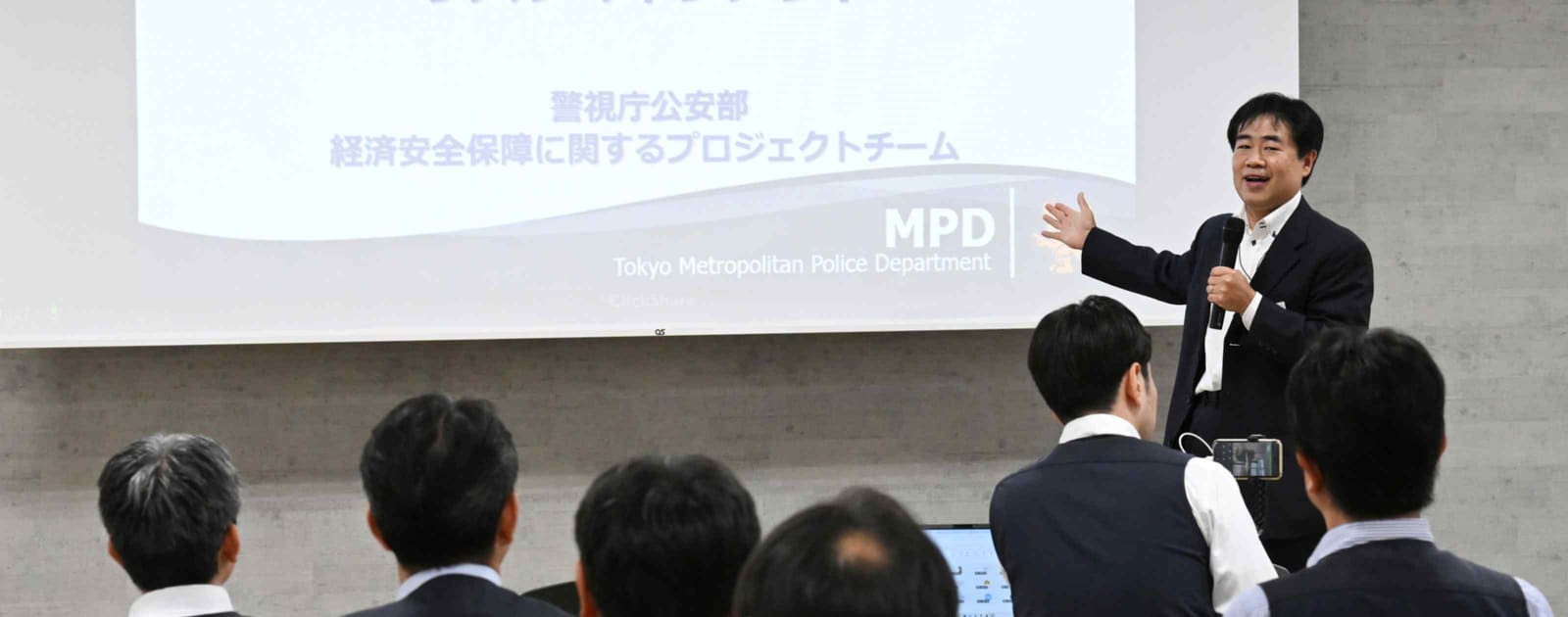
Japanese law enforcement has begun warning corporate researchers about a rising threat: industrial spies who blend seamlessly into professional environments, using native-level language skills and interpersonal charm to steal trade secrets. At a recent briefing in Tsukuba, home to numerous electronics and technology firms, Metropolitan Police Department officers described methods that caught attendees off guard.
"I was shocked to learn that spies straight out of a movie actually exist," one researcher at an electronics parts manufacturer said after the session.
The警告 comes as Japan grapples with heightened geopolitical tensions across Asia, where technological advantage has become a central pillar of economic and strategic competition. Companies developing advanced materials, precision components, and manufacturing processes now face adversaries willing to invest months or years cultivating seemingly innocent relationships.
The Long Game
According to police briefings, modern industrial espionage rarely resembles the dramatic scenarios depicted in cinema. Instead, operatives rely on subtlety and patience. A chance meeting at an industry conference, a friendly conversation at a hotel bar, or a persistent LinkedIn connection can serve as the opening move in a protracted effort to gain access to proprietary information.
Fluency in Japanese has emerged as a critical tool. Targets are more likely to lower their guard when approached by someone who speaks their language without accent and demonstrates cultural familiarity. These operatives often possess technical backgrounds that allow them to ask informed questions without raising suspicion, gradually steering conversations toward sensitive topics.
The Metropolitan Police Department has identified a pattern: initial contact appears professional and mutually beneficial. Over time, requests become more specific, probing for details about production processes, supplier relationships, or upcoming product launches. By the time a target realizes the nature of the relationship, significant information may have already changed hands.
Corporate Vulnerability
Japan's corporate culture, which traditionally emphasizes trust and long-term relationships, may inadvertently create openings for exploitation. Researchers and engineers accustomed to collaborative environments can find it difficult to distinguish legitimate networking from intelligence gathering.
The electronics sector faces particular risk. Japan remains a global leader in specialty materials, precision machinery, and component manufacturing. Technologies in these areas often have dual-use applications, making them attractive targets for state-backed intelligence operations seeking to accelerate domestic industrial capabilities or gain strategic advantages.
Tsukuba, where the recent police briefing took place, concentrates dozens of research institutions and technology companies within a compact area. This density creates an environment rich with potential targets but also allows for more effective coordination between law enforcement and the private sector.
A Shifting Security Landscape
Japan has historically been criticized for lax counterintelligence measures, particularly regarding economic espionage. Recent years have seen efforts to strengthen legal frameworks and intelligence capabilities, driven in part by recognition that technological leadership requires robust protection of intellectual property.
The country's intelligence architecture has undergone significant reform, with new agencies focused specifically on safeguarding industrial and technological assets. These changes reflect a broader understanding across advanced economies that economic security and national security have become inseparable.
For companies, the challenge lies in balancing openness necessary for innovation with vigilance against exploitation. Police recommend clear protocols for handling unsolicited inquiries, regular security training for employees with access to sensitive information, and heightened awareness of social engineering tactics.
As regional competition intensifies, Japan's technology sector finds itself on the front line of a quiet but consequential contest. The briefings in Tsukuba signal that authorities recognize the stakes and are working to ensure companies do not become unwitting sources of their own competitive decline.
RELATED STORIES

Dentsu Plans to Cut 30% of Overseas Subsidiaries by 2028
Jun-ho Seo · 3 min

Japan's Rare Earth Imports Plunge 80% as China Tightens Export Controls
Aiko Nakamura · 3 min

Warren Presses Bessent for Explanation on US Yen Intervention
Priyanka V. Rao · 3 min
Japanese Business Confidence Jumps on Semiconductor Surge
Aiko Nakamura · 2 min
Spot something wrong? Email editor@briefasia.com. We log every correction publicly.