Technology · Products
Japan's Used Smartphone Market Surges as iPhone Prices Cross the ¥100,000 Threshold
Apple's mid-July price adjustment, driven by currency pressure and strategic repositioning, is accelerating a fundamental shift in how Japanese consumers approach mobile hardware investment
KEY TAKEAWAYS
- ·Apple raised iPhone prices in Japan by ¥8,000 to ¥25,000 on July 18, pushing the entry model past ¥100,000 amid persistent yen weakness.
- ·Secondary handset resellers report accelerating inventory turnover as consumers shift to certified pre-owned devices at 30 to 40 percent discounts.
- ·The trend reflects both currency pressure and a generational shift in attitudes toward ownership, with younger buyers prioritizing value over new models.
The Sticker Shock
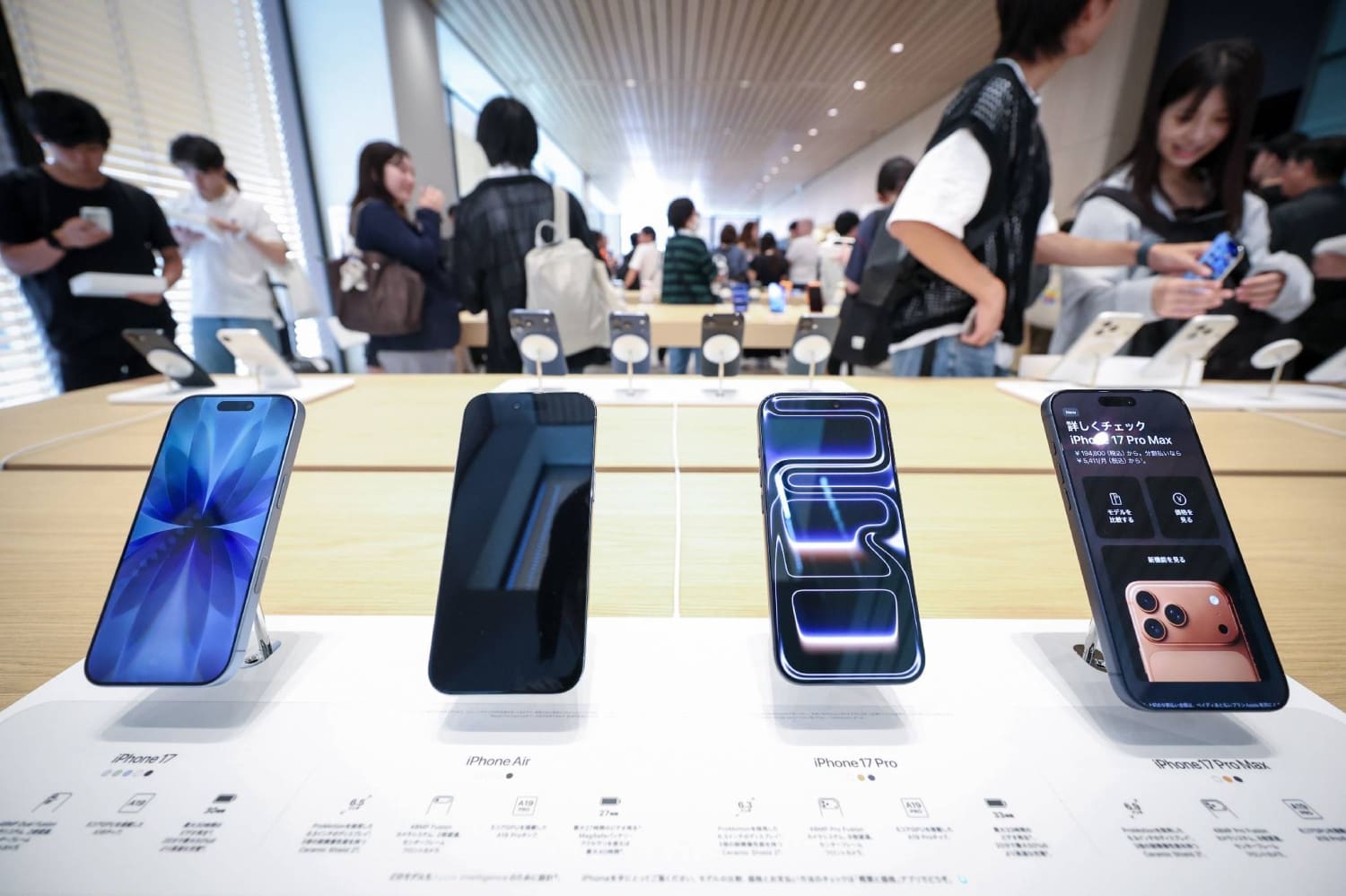
On July 18, Apple adjusted its Japan pricing structure upward, adding between ¥8,000 and ¥25,000 to iPhone models across the board. The move pushed the cheapest offering in the lineup, the iPhone 17e, past the ¥100,000 mark for the first time. For a market long accustomed to incremental annual increases, the crossing of six figures represents a psychological threshold that is reshaping purchase behavior at scale.
The revision reflects two converging forces. The yen has remained structurally weak against the dollar throughout 2025 and into 2026, eroding Apple's margin cushion on imports. At the same time, the company has been repositioning its product mix globally, phasing out lower-tier SKUs and emphasizing higher-margin devices with advanced silicon and camera arrays. Japan, as one of Apple's most profitable per-capita markets, has absorbed both pressures in a single pricing event.
Handset Economics in a Deflationary Cycle
Japan's consumer electronics market operates under constraints unfamiliar to most developed economies. Wage growth has been minimal, inflation sporadic, and household savings rates high. Mobile phones occupy an unusual position in this environment: they are both essential infrastructure and discretionary upgrade cycles. When a new iPhone crosses ¥100,000, the calculus changes. That figure represents roughly 15 percent of median monthly household income in urban areas, a proportion that triggers deliberate decision-making rather than impulse replacement.
The immediate beneficiary has been the secondary handset channel. Resellers specializing in certified pre-owned devices report inventory turnover accelerating in the weeks following the price adjustment. Consumers who might have purchased a new mid-tier model are instead opting for previous-generation flagships at 30 to 40 percent discounts. The trade is straightforward: modest compromise on chipset generation in exchange for substantial savings and, in many cases, equivalent build quality and camera performance.
This dynamic is not entirely new. Japan has maintained a robust market for refurbished consumer electronics since the early 2000s, driven by both frugality and environmental consciousness. What has shifted is the composition of buyers. Where the secondary market once catered primarily to students and budget-conscious households, it now includes professionals, early adopters, and even corporate procurement teams seeking to extend device refresh cycles without sacrificing user experience.
Currency as the Unspoken Variable
The yen traded near 150 to the dollar for much of late 2025 before weakening further in early 2026. For Apple, which prices hardware in dollars and converts revenue at prevailing exchange rates, this creates a recurring dilemma: absorb margin compression or pass costs to local buyers. The July adjustment suggests the company has reached the limit of the former strategy.
Other consumer electronics manufacturers face identical pressures, but few carry Apple's brand premium. Samsung, Xiaomi, and domestic players like Sharp have greater flexibility to compress margins or shift production to lower-cost geographies. Apple's supply chain, anchored in China and increasingly in India and Vietnam for assembly, still denominates most component costs in dollars. The result is a pricing structure in Japan that has diverged sharply from purchasing power trends.
This divergence has policy implications. The Ministry of Economy, Trade and Industry has tracked mobile device pricing as part of its broader consumer price monitoring, noting that telecommunications hardware has become a disproportionate burden for households relative to service costs, which have remained stable due to regulatory intervention. While no direct price controls are under consideration, the data informs ongoing discussions about subsidy structures and carrier competition.
The Refurbishment Supply Chain
Japan's secondary smartphone ecosystem is highly organized. Major resellers operate grading systems, offer warranties, and maintain relationships with carriers and corporate IT departments to secure bulk returns. Devices are typically refurbished domestically, with battery replacement, screen repair, and software resets performed to standardized protocols. The result is a product that, to most users, is indistinguishable from new save for packaging.
Volume in this channel has grown by double digits annually since 2023, but the rate accelerated sharply in the third quarter of 2026. Resellers attribute the spike to two factors: the July price increase and a broader generational shift in attitudes toward ownership. Younger consumers, particularly those in their twenties and thirties, exhibit lower brand loyalty and higher sensitivity to value. For this cohort, paying a premium for the newest model carries diminishing social signaling value.
Environmental considerations also play a role, though they remain secondary to economic incentives. Japan's electronics recycling infrastructure is among the most developed globally, and consumers are broadly aware of the resource intensity of smartphone manufacturing. Extending device lifecycles aligns with both personal financial goals and societal sustainability narratives, a combination that has proven durable across market cycles.
What Comes Next
Apple's pricing strategy in Japan will be closely watched as a bellwether for other high-cost markets. If the ¥100,000 threshold proves sustainable without significant volume loss, the company may view it as a validated floor for future increases. Conversely, if market share erodes in favor of secondary channels or Android competitors, adjustments are likely.
For consumers, the shift toward refurbished devices represents a structural change rather than a temporary response. As the performance gap between successive iPhone generations narrows, the calculus increasingly favors patience. A two-year-old flagship delivers 90 percent of the capability at 60 percent of the cost, a ratio that is difficult to ignore in an economy where real income growth remains elusive.
The broader question is whether this dynamic will extend beyond Japan. South Korea, Taiwan, and Singapore all exhibit similar currency pressures and mature smartphone markets. If the pattern holds, the secondary handset channel may emerge as a critical competitive front, one where Apple's traditional advantages in brand and ecosystem lock-in face new tests.
RELATED STORIES
Japan Embeds Cyber Defense in Air Force Systems as AI Threats Grow
Aiko Nakamura · 4 min

Tesla Expands Japan Delivery Network to Meet Rising EV Demand
Aiko Nakamura · 3 min
Japanese Companies Push for Currency Stability as Weak Yen Squeezes Margins
Aiko Nakamura · 3 min
Rashi Peripherals and Restar Form Joint Venture to Expand Semiconductor Services in India
Priyanka V. Rao · 2 min
Spot something wrong? Email editor@briefasia.com. We log every correction publicly.