Finance · Markets
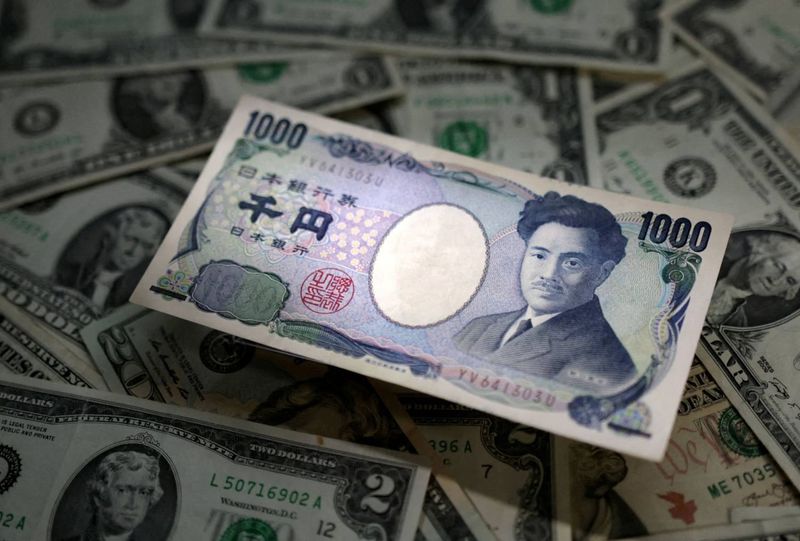
Japan and US Launch Joint Currency Interventions to Defend the Yen
Coordinated moves by Tokyo and Washington push Japanese currency to strongest level since May amid historic weakness

KEY TAKEAWAYS
- ·Japanese and U.S. authorities launched coordinated interventions to support the yen, with Japan deploying an estimated $44 billion in Thursday operations alone.
- ·The yen surged to its strongest level since mid-May following the joint action, a rare instance of U.S. intervention to support another nation's currency.
- ·U.S. Treasury officials indicated to banks that further interventions remain possible, signaling continued monitoring of yen movements and willingness to act again.
Rare Bilateral Action
Japanese and American monetary authorities have launched a coordinated campaign to arrest the yen's decline against the dollar, executing multiple interventions that sent the currency surging to levels unseen since mid-May. The joint effort represents an unusual degree of cooperation between the two governments on currency matters, signaling serious concern about the yen's trajectory.
The Japanese currency strengthened in successive waves on Friday, responding to what market participants identified as synchronized action by both Tokyo and Washington. The interventions come as the yen hovers near historic lows that have raised alarm bells across Asia's economic corridors, threatening to destabilize trade flows and corporate planning across the region.
Scale and Mechanics
Japanese officials are estimated to have deployed up to $44 billion in yen-buying operations during Thursday's intervention alone, according to preliminary market assessments. The U.S. Treasury separately communicated with major financial institutions about the coordinated nature of the effort, indicating that further interventions remain possible depending on market conditions.
The Treasury's direct engagement with banks serves a dual purpose: executing the actual currency purchases and sending an unmistakable signal that Washington views yen stability as a shared interest. For the United States to intervene in support of another nation's currency is relatively uncommon, typically reserved for moments when policymakers judge that disorderly movements threaten broader financial stability.
Regional Implications
The yen's weakness has created ripple effects across Asian markets, where many economies maintain significant trade relationships with Japan. A weaker yen makes Japanese exports more competitive but increases import costs for Japanese companies and consumers, contributing to inflationary pressures that Bank of Japan officials have flagged as a growing concern.
Bank of Japan Governor has indicated that upside inflation risks could necessitate faster interest rate increases than previously anticipated. This hawkish tilt marks a departure from decades of ultra-loose monetary policy and reflects the central bank's acknowledgment that currency weakness has begun to impose real economic costs.
Analysts have pointed to foreign mergers and acquisitions activity in Japan as one factor contributing to sustained yen weakness. Cross-border deals require currency conversion that can amplify downward pressure, particularly when combined with interest rate differentials that favor dollar-denominated assets.
Market Response and Caution
Despite the initial surge following the interventions, the yen pared some gains as Asian technology shares rallied, illustrating the complex interplay between currency movements and equity flows in the region. U.S. fund managers have largely remained on the sidelines, with many describing the yen as significantly undervalued yet hesitant to establish positions given the uncertain policy environment.
The coordinated nature of the interventions introduces a new variable into currency trading strategies. Traders must now account not only for Japanese policy actions but also for potential American involvement, a calculation that adds layers of complexity to positioning in yen crosses.
Whether the joint interventions can establish a durable floor under the yen remains an open question. Currency interventions typically succeed when they align with underlying fundamentals or signal a broader shift in policy stance. Without sustained follow-through or changes to the interest rate environment, market forces may eventually reassert downward pressure on the Japanese currency.
The coming weeks will test whether this coordinated push can alter market expectations or merely provides a temporary reprieve. For now, the message from Tokyo and Washington is clear: disorderly yen weakness will not go unchallenged.
RELATED STORIES
Yen Climbs to Eight-Month High as Rate Hike Expectations Shift Sentiment
Jun-ho Seo · 3 min

Japan Wage Growth Hits 29-Year High, Reinforcing Central Bank Rate Path
Aiko Nakamura · 3 min

SoftBank Prices ¥1 Trillion Retail Bond in Largest Offering Since 2020
Aiko Nakamura · 3 min

Japan's Central Bank and Markets Diverge on Rate Hike Trajectory
Aiko Nakamura · 3 min
Spot something wrong? Email editor@briefasia.com. We log every correction publicly.