Sustainability · Energy
Japan Power Prices Hit 44-Month High as Summer Heat Strains Grid
Wholesale electricity costs surge 20% week-on-week, reaching levels unseen since early 2023 as air conditioning demand peaks across the archipelago
KEY TAKEAWAYS
- ·Japan's nationwide next-day power price rose 20% week-on-week on Monday, reaching the highest level since January 2023 as extreme heat drove air conditioning demand.
- ·The price spike exposes persistent grid vulnerabilities despite retail liberalization, with limited inter-regional transmission capacity preventing efficient sharing of surplus generation.
- ·Slow nuclear reactor restarts keep Japan reliant on costly LNG and coal thermal generation, amplifying wholesale price volatility during seasonal demand peaks.
Wholesale Market Under Pressure
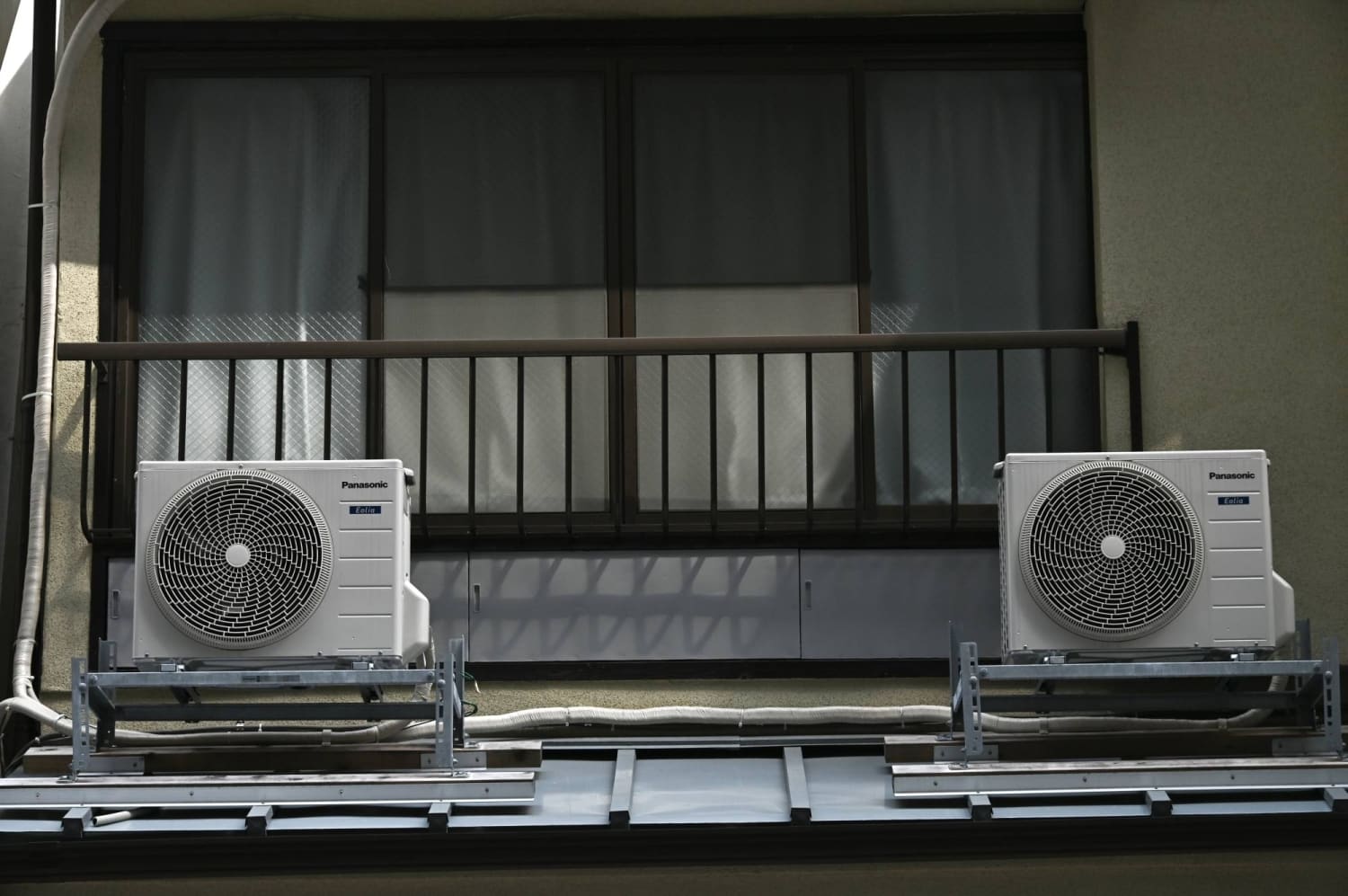
Japan's nationwide next-day power price climbed 20% from the previous week on Monday, reaching the highest level since January 2023. The sharp increase reflects mounting strain on the country's electricity infrastructure as a persistent heat wave drives air conditioning demand to seasonal peaks.
The price spike underscores the fragility of Japan's power market nearly a decade after retail liberalization opened the sector to competition. While the government has encouraged new entrants and renewable capacity additions, summer demand surges continue to expose structural vulnerabilities in grid management and generation mix.
Heat Wave Amplifies Demand
Temperatures across Japan's major metropolitan areas have remained above seasonal averages throughout August, pushing residential and commercial electricity consumption sharply higher. Tokyo, Osaka, and Nagoya have all recorded multiple days exceeding 35 degrees Celsius, with heat advisories issued across more than half of the country's prefectures.
The timing coincides with peak summer industrial activity, compounding pressure on baseload and peaking generation assets. Japan's electricity system operates with limited interconnection capacity between regional grids, meaning localized demand spikes can rapidly translate into wholesale price volatility.
Nuclear Restart Delays Linger
Japan's sluggish pace of nuclear reactor restarts continues to constrain dispatchable low-carbon capacity. Only a fraction of the country's pre-Fukushima nuclear fleet has returned to operation, leaving utilities heavily reliant on liquefied natural gas and coal for thermal generation.
LNG import costs have stabilized from 2022 peaks but remain elevated compared to historical norms, feeding through to wholesale power markets during high-demand periods. The current price environment reflects both fuel input costs and scarcity premiums when reserve margins tighten.
Regional Grid Dynamics
Japan's ten regional power transmission operators manage largely independent systems, with limited capacity to share surplus generation across boundaries. This fragmentation means that even when renewable output is strong in one region, neighboring areas facing supply shortfalls cannot always access that power efficiently.
The next-day market mechanism, introduced to improve price discovery and resource allocation, has proven effective at signaling scarcity but also exposes end users to volatility. Industrial consumers with flexible demand profiles can respond to price signals, but residential and small commercial customers typically face regulated or fixed-price contracts that insulate them from real-time market dynamics.
Outlook for Grid Stability
The current price spike is likely to moderate as temperatures normalize in early September, but the episode highlights persistent challenges in balancing Japan's energy transition with reliability imperatives. The government has set ambitious renewable energy targets while simultaneously working to restart nuclear capacity and maintain thermal backup.
Energy analysts expect continued volatility in wholesale power markets during seasonal peaks until additional storage capacity, demand response infrastructure, and inter-regional transmission links come online. Battery storage deployments are accelerating, but utility-scale projects remain a small fraction of total system capacity.
For now, Japan's power sector navigates a delicate equilibrium between decarbonization goals, energy security concerns rooted in minimal domestic fossil fuel resources, and the immediate need to keep lights on during extreme weather events. The price signal from this week's market action will likely inform planning decisions for both generation investment and grid modernization in the months ahead.
RELATED STORIES

Australia's Rare Earth Push Faces Cost Test as Industry Eyes China Alternative
Aiko Nakamura · 4 min

Japan Considers State Backstop for Tanker Insurance Amid Gulf Tensions
Aiko Nakamura · 4 min

Thailand Urged to Tie EV Investment to Local Supply Chain Development
Priyanka V. Rao · 3 min
Japan Channels $125 Million Into Fusion and Recycling Startups
Aiko Nakamura · 3 min
Spot something wrong? Email editor@briefasia.com. We log every correction publicly.