Asia · Politics
Japan's Minimum Wage Panel Faces Stalemate Over Record Hike Proposal
Labor representatives push for historic increase while business groups cite pressure on small enterprises as deliberations near conclusion
KEY TAKEAWAYS
- ·Japan's labor ministry panel is finalizing fiscal 2026 minimum wage deliberations with labor seeking the largest increase on record while employers warn of strain on small enterprises.
- ·The current national weighted average minimum wage is approximately ¥1,004 per hour with labor groups now pushing for increases potentially exceeding ¥50 per hour in some regions.
- ·The panel's recommendation expected in early August will affect all workers including part-time staff with new rates typically taking effect in October across Japan's 47 prefectures.
Negotiations Enter Final Phase
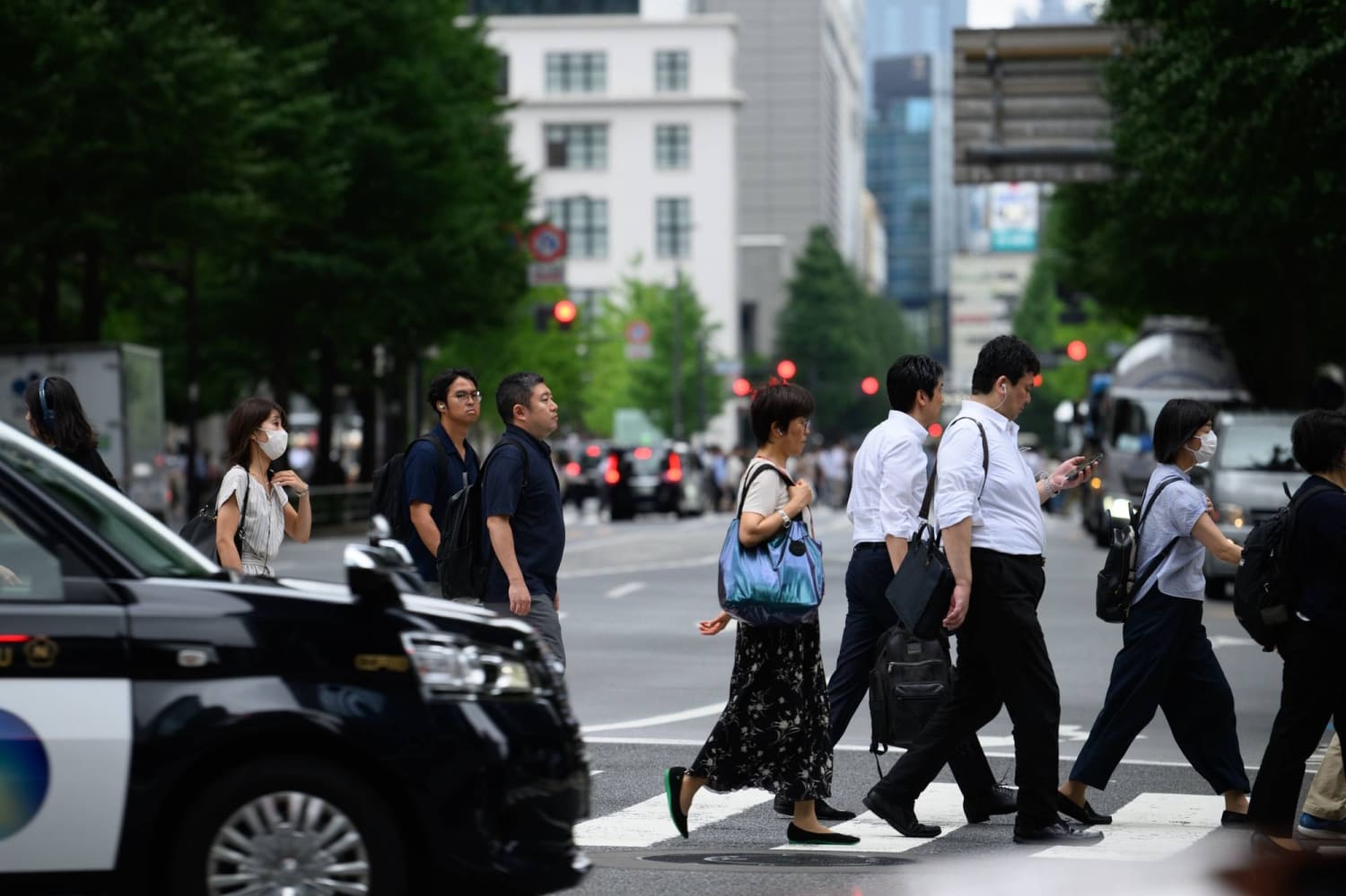
Japan's labor ministry panel has reached the closing stage of deliberations on the fiscal 2026 minimum wage, with negotiations exposing a significant rift between worker representatives and employer groups. Labor unions are advocating for what would mark the largest annual increase in the wage floor's history, while business associations caution that such a move could impose unsustainable costs on smaller enterprises already operating under tight margins.
The annual minimum wage review process, conducted through the Ministry of Health, Labour and Welfare's advisory panel, typically concludes in late July or early August. The panel comprises representatives from labor unions, employer organizations, and academic experts who examine economic indicators, inflation data, and business conditions before recommending adjustments to regional wage floors across Japan's 47 prefectures.
Record Increase on the Table
Labor representatives have submitted proposals calling for unprecedented wage growth, arguing that workers need stronger protection against persistent inflation that has eroded purchasing power over the past two years. The push reflects mounting pressure on Japanese households as consumer prices continue climbing at rates not seen in decades, outpacing wage gains for many workers in lower-income brackets.
The current national weighted average minimum wage stands at approximately ¥1,004 per hour as of fiscal 2025, following a ¥43 increase from the previous year. Labor groups are now seeking an even steeper rise for fiscal 2026, potentially exceeding ¥50 per hour in some regions, which would represent the most aggressive adjustment since Japan began systematic annual reviews of minimum wage levels.
Business Groups Sound Alarm
Employer organizations have mounted a coordinated response, emphasizing the financial strain that rapid minimum wage escalation places on small and medium-sized enterprises. These businesses, which account for more than 99% of all companies in Japan and employ roughly 70% of the workforce, operate with thinner profit margins than large corporations and have less flexibility to absorb sudden labor cost increases.
Representatives from business federations argue that while they support gradual wage improvements, the pace of recent increases has outstripped productivity gains in many sectors. They point to ongoing challenges including rising energy costs, supply chain disruptions, and weak consumer spending that have compressed margins for retailers, restaurants, and service providers, where minimum wage workers are concentrated.
Regional Disparities Complicate Talks
The deliberations are further complicated by Japan's regionally tiered minimum wage system. Prefectures are divided into four categories based on cost of living and economic conditions, with Tokyo maintaining the highest wage floor at ¥1,163 per hour and less urbanized prefectures setting lower minimums. Labor groups argue that this system perpetuates inequality and makes it difficult for workers in rural areas to maintain adequate living standards.
The panel must balance pressure to narrow these regional gaps with employer concerns that uniform increases could disproportionately impact businesses in areas with weaker economies. Prefectures in Tohoku, Shikoku, and rural Kyushu have historically maintained minimum wages ¥200 to ¥300 below Tokyo's level, reflecting differences in local business conditions and cost structures.
Inflation Adds Urgency
Japan's inflation environment has shifted dramatically since 2022, when consumer prices began rising at rates above the Bank of Japan's 2% target for the first time in years. Core inflation has remained elevated through 2026, driven by higher import costs for food and energy, as well as domestic price increases as companies pass through rising input costs.
This inflationary backdrop has intensified labor's argument that minimum wage workers, who typically lack collective bargaining power, require regulatory protection to prevent real income erosion. Union representatives cite data showing that households in the lowest income quintile have experienced sharper declines in purchasing power than higher earners, who are more likely to receive company-level wage increases through annual negotiations.
Decision Timeline and Implementation
The panel is expected to issue its recommendation in early August, after which prefectures will hold their own deliberations before finalizing local minimum wage rates. The new rates typically take effect in October, applying to all workers regardless of employment type, including part-time and temporary staff who make up a significant portion of minimum wage earners.
The outcome will set an important precedent for labor policy as Japan grapples with structural challenges including population aging, labor shortages in key sectors, and the need to boost domestic consumption. Prime Minister's office has signaled support for wage growth as part of broader economic strategy, but the government has stopped short of intervening directly in the panel's deliberations, maintaining the process as a negotiation between labor and management stakeholders.
The final recommendation will be closely watched by businesses planning staffing budgets for the second half of fiscal 2026, as well as by households and economists assessing the trajectory of wage-price dynamics in Japan's evolving economic landscape.
RELATED STORIES
China Imposes Anti-Dumping Measures on Japanese Semiconductor Chemical Imports
Jun-ho Seo · 3 min

Berkshire Hathaway Eyes Larger Stakes in Japan's Top Trading Houses
Cheng Wei-Lun · 3 min
Malaysia's Rare Earth Deposits Draw Foreign Interest Ahead of China Export Controls
Priyanka V. Rao · 3 min

Honda Demands 30% Price Cuts From Suppliers in $9.4 Billion Cost Plan
Cheng Wei-Lun · 3 min
Spot something wrong? Email editor@briefasia.com. We log every correction publicly.