Asia · Business
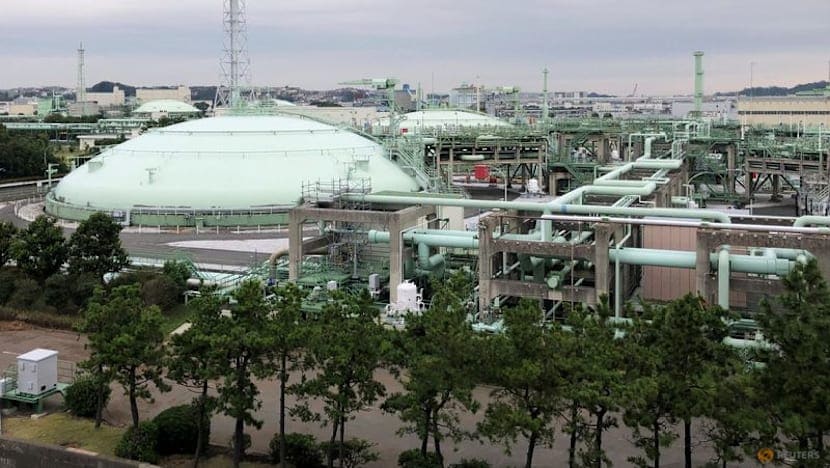
Japan's JERA Locks Down Gas Supply Ahead of Peak Demand Season
The country's largest power generator reports comfortable inventory levels and rising profits as wholesale electricity prices climb
KEY TAKEAWAYS
- ·JERA has accumulated enough LNG inventory to meet Japan's electricity demand through October, eliminating summer supply concerns despite potential heatwaves.
- ·The utility reported April-June net profit of 123.1 billion yen, up 31 percent year-on-year, driven by higher wholesale electricity prices and improved thermal operations.
- ·JERA is evaluating gas-fired power projects in North America while reselling long-term coal contracts domestically to reduce customer costs and stabilize future earnings.
Summer Capacity Secured
Japan's biggest electricity producer has accumulated sufficient liquefied natural gas reserves to cover operations until October, positioning itself to weather any spike in consumption during the hottest months without disruption.
JERA, which purchases roughly 35 million metric tons of LNG each year, announced Friday that its current stockpile eliminates concerns about maintaining reliable electricity generation even if extreme heat drives unprecedented demand between now and autumn. Masato Otaki, an executive officer at the company, confirmed the inventory position removes any threat to grid stability during the August-to-October window when air conditioning load typically peaks.
The assurance comes as Japan enters a period of heightened electricity consumption, with utilities historically facing pressure to balance supply against residential and industrial demand during summer heatwaves.
Strategic Procurement Approach
Rather than relying on a single supplier, JERA has diversified its gas sourcing to minimize exposure to any individual market. Otaki noted that Qatari volumes constitute only a minor fraction of the company's total portfolio, allowing greater flexibility in managing price volatility and geopolitical risk.
For the colder months ahead, the utility intends to deploy its international trading operations to fine-tune procurement timing and routes. This global reach gives JERA the ability to shift cargo deliveries and lock in favorable pricing windows as European and Asian markets compete for winter supplies.
The company operates as a joint venture between Tokyo Electric Power and Chubu Electric Power, consolidating fuel buying and generation assets to achieve scale in a capital-intensive industry.
Profit Trajectory Climbs
JERA reported net profit of 123.1 billion yen for the April-June quarter, marking a 31 percent increase compared with the same period a year earlier. Management now projects full-year net profit will reach 280 billion yen, up 86.4 billion yen from the prior fiscal year.
Otaki attributed the earnings lift primarily to stronger performance in domestic thermal and gas divisions, where LNG and coal operations benefited from favorable market conditions. Wholesale electricity prices exceeded earlier forecasts, widening margins on power sales and boosting the bottom line.
Despite the improved financial outlook, JERA is moving forward with plans to resell certain long-term power purchase agreements, including coal-fired generation contracts. The move aims to lower costs for end-use customers, even though it will trim near-term profitability.
Otaki acknowledged the trade-off, explaining that reducing customer expense burdens will support social stability and lay the groundwork for more predictable earnings from the next fiscal year onward.
North American Expansion Under Review
When asked about reports that JERA is exploring construction of a large gas-fired facility in the United States, Otaki said independent power production in North America remains a core strategic pillar. The company is evaluating multiple project opportunities in the region but declined to provide specifics on any individual development.
Expanding generation capacity outside Japan would align with JERA's broader ambition to capture value across the LNG supply chain, from upstream production and shipping to downstream power generation. North American shale gas offers a cost-competitive feedstock and positions JERA closer to Atlantic Basin export markets.
Regional Context
Japan remains the world's second-largest LNG importer, trailing only China, and its utilities face persistent challenges balancing energy security with decarbonization goals. The country shuttered most of its nuclear fleet following the 2011 Fukushima disaster, leaving gas-fired generation to shoulder a larger share of baseload electricity.
As Tokyo pushes to restart additional reactors and expand renewable capacity, gas will continue to serve as a transition fuel, particularly during periods when wind and solar output falls short. JERA's inventory strategy reflects the need to maintain buffer stocks that can absorb demand swings without triggering price spikes or supply alerts.
With summer demand now covered and winter procurement underway, the utility is navigating a global gas market still shaped by European restocking needs and uncertain Asian economic growth. Its diversified sourcing and trading capabilities offer a template for other regional buyers seeking resilience in an era of supply volatility.
RELATED STORIES
Malaysia's Rare Earth Deposits Draw Foreign Interest Ahead of China Export Controls
Priyanka V. Rao · 3 min
China Imposes Anti-Dumping Measures on Japanese Semiconductor Chemical Imports
Jun-ho Seo · 3 min

Berkshire Hathaway Eyes Larger Stakes in Japan's Top Trading Houses
Cheng Wei-Lun · 3 min
Honda Demands 30% Price Cuts From Suppliers in $9.4 Billion Cost Plan
Cheng Wei-Lun · 3 min
Spot something wrong? Email editor@briefasia.com. We log every correction publicly.