Finance · Markets
Japan's $1.8 Trillion GPIF May Gain Investment Flexibility Without Portfolio Overhaul
Government officials eye wider operational bands within existing targets as the world's largest pension fund prepares to release first-quarter results
KEY TAKEAWAYS
- ·Japan's $1.8 trillion GPIF will report April-June results Friday, with expected equity gains highlighting portfolio resilience one year after its latest five-year review.
- ·Government officials favour allowing the fund wider latitude within existing five to six percentage-point deviation bands rather than launching a formal benchmark overhaul.
- ·Any allocation shift by GPIF, even modest, would ripple through currency, equity, and debt markets given the fund's scale and current 25 per cent targets across four asset classes.
Q1 Performance Signals Portfolio Strength
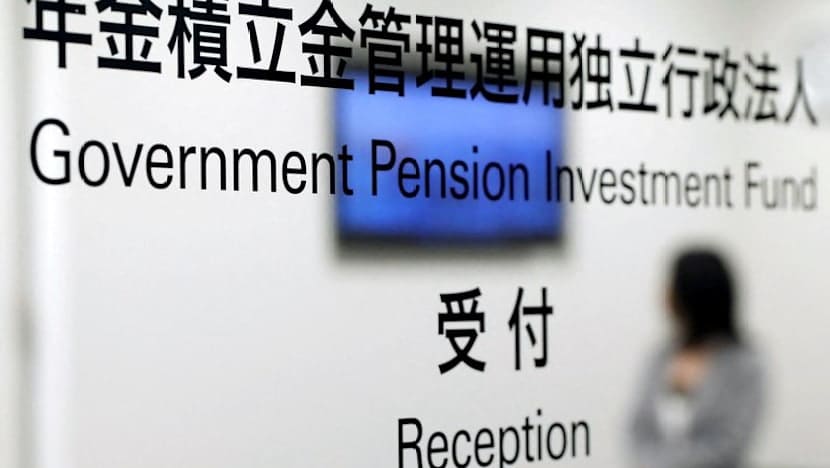
Japan's Government Pension Investment Fund will release its April-June performance Friday, with gains expected across domestic and overseas equities. The results arrive amid government deliberations over whether the $1.8 trillion fund should adjust its investment approach, though momentum for significant change appears limited.
GPIF allocates 25 per cent to each of four asset classes: domestic bonds, foreign bonds, domestic equities, and foreign equities. The fund allows deviations of five to six percentage points around these targets but has historically rebalanced frequently to stay close to benchmarks.
Strong quarterly returns would underscore the current portfolio's resilience, potentially complicating arguments for a major strategic shift just one year after the fund completed its latest five-year review.
Wider Bands Over Benchmark Changes
Finance Minister Satsuki Katayama triggered debate last month by calling for state pension funds to increase domestic asset investments, citing rising bond yields and stronger equity returns. Nearly a month later, no major policy action has materialised.
Government officials now indicate a more practical path: granting GPIF greater latitude to move within its existing permissible ranges without launching a full benchmark review. The fund's institutional evaluation framework has historically emphasised adherence to targets, which may have prompted more frequent rebalancing than necessary, according to Koji Okuda, executive researcher at Dai-ichi Life Research Institute.
At $1.8 trillion under management, even modest allocation shifts by GPIF ripple through currency, equity, and debt markets well beyond Japan. A formal benchmark change would trigger a lengthy, highly institutionalised process.
The 2014 Precedent
GPIF reviews its medium-term strategy every five years alongside the health ministry's actuarial assessment of the public pension system. That exercise determines required returns and benchmark allocations based on long-term pension finances.
The last major overhaul occurred in 2014, when GPIF cut its domestic bond target to 35 per cent from 60 per cent and raised domestic equity allocation to 25 per cent from 12 per cent. That shift gained traction only after Shinzo Abe began his second term as prime minister in 2012 and made GPIF reform a pillar of his economic agenda. His government convened expert panels and coordinated across ministries, including the health ministry, which oversees the fund.
Okuda noted the 2014 restructuring was driven by a clear political objective: reshaping Japan's post-deflation economy. While the current shift to inflation could provide rationale for change, the government has yet to embrace it with comparable political commitment, he said.
Market Implications of Incremental Moves
Allowing GPIF wider operational flexibility within current bands would enable tactical adjustments to capture market opportunities without the multi-year strategic review process. The fund's sheer size means that even a two or three percentage-point shift toward domestic bonds or equities would redirect tens of billions of dollars, influencing yields, valuations, and yen flows.
Rising domestic bond yields present a potential case for reweighting, but government officials appear to favour incremental operational changes over a high-profile benchmark revision. That approach would preserve the fund's long-term strategic framework while giving portfolio managers room to manoeuvre as market conditions evolve.
The Friday performance report will offer insight into whether the existing balanced allocation continues to deliver the returns needed to meet pension obligations, a key consideration as Tokyo weighs its next steps.
RELATED STORIES
Yen Slides Back Toward 160 as Joint Intervention Fades
Cheng Wei-Lun · 3 min

US and Japan Stage First Joint Yen Intervention in 28 Years
Cheng Wei-Lun · 3 min
Bank of Japan Signals Willingness to Accelerate Rate Hikes Amid Rising Inflation Concerns
Aiko Nakamura · 3 min
Japanese Companies Push for Currency Stability as Weak Yen Squeezes Margins
Aiko Nakamura · 3 min
Spot something wrong? Email editor@briefasia.com. We log every correction publicly.