Asia · Trending
Japan Faces 2,311 Food Price Increases in August Alone
Rising costs push the year's total food and beverage price hikes past 18,000, intensifying pressure on household budgets across the nation
KEY TAKEAWAYS
- ·Japanese consumers will face price increases on 2,311 food and beverage products in August 2026, contributing to a year-to-date total exceeding 18,347 items.
- ·Import costs, currency weakness, energy expenses, and labor market tightness drive sustained upward pressure across Japan's food supply chain.
- ·Fixed-income retirees and rural households bear disproportionate burden as substitution strategies prove limited when thousands of products are affected simultaneously.
Another Wave Hits Shoppers
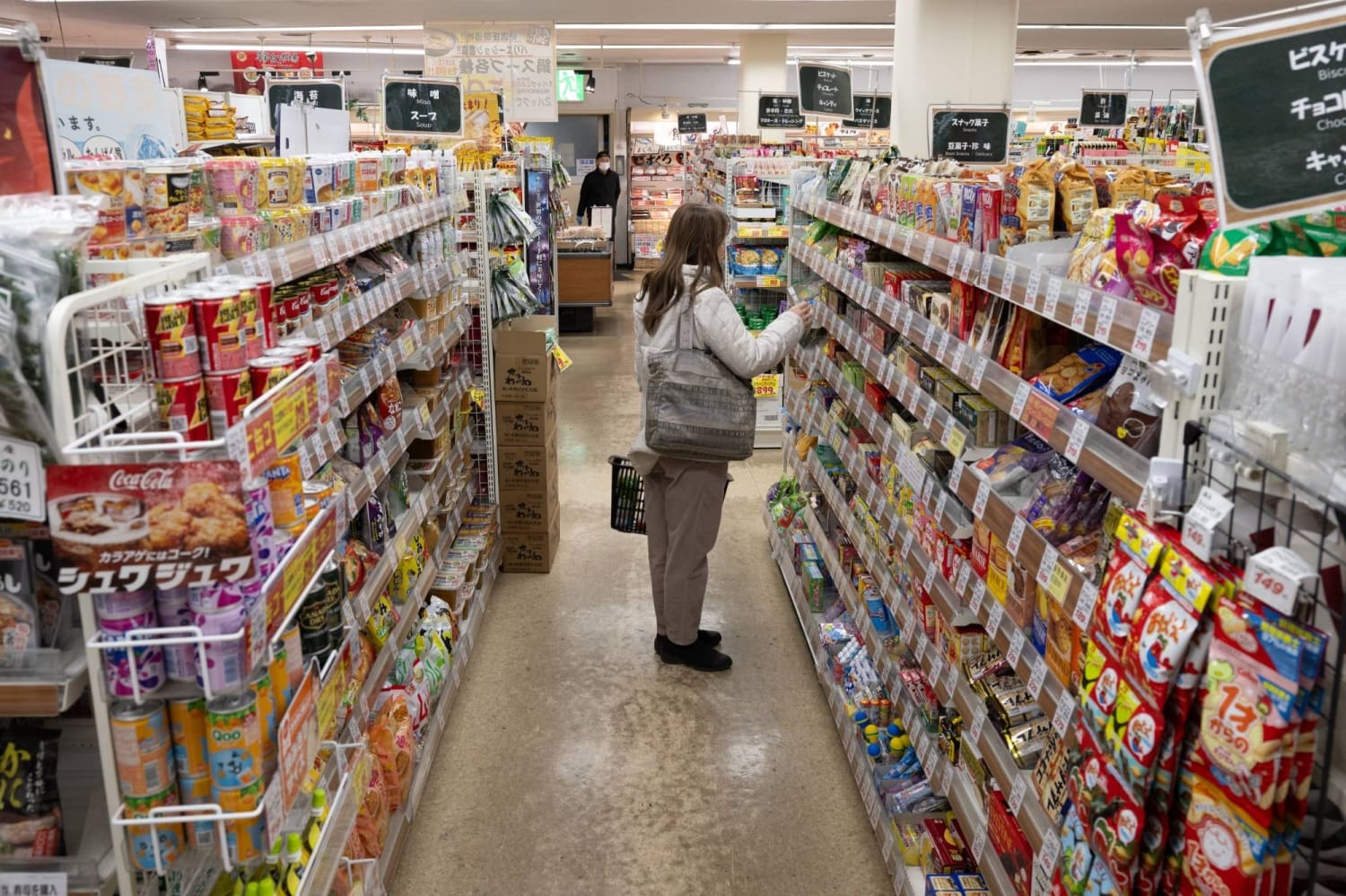
Japanese households will confront price increases on 2,311 food and beverage products in August, marking another substantial wave in what has become a sustained cost-of-living challenge for consumers across the archipelago. The figure represents a single month's contribution to a year that has already seen manufacturers and retailers adjust pricing on more than 18,000 items.
The cumulative total of 18,347 food and beverage products facing price adjustments in 2026, including hikes already implemented and those announced for later in the year, underscores the breadth of inflationary pressure moving through Japan's food supply chain. Unlike the sporadic price movements of previous decades, the current environment reflects systematic cost increases touching nearly every category of grocery staples.
Supply Chain Pressures Compound
Multiple factors drive the persistent upward pressure on food costs. Import-dependent Japan faces heightened vulnerability to global commodity price swings, particularly for wheat, soybeans, and cooking oils. Currency fluctuations have amplified these effects, with a weaker yen raising the cost of imported ingredients and raw materials that form the backbone of the nation's processed food industry.
Energy costs continue to play a significant role. Manufacturing, cold storage, and transportation all require substantial power inputs, and elevated electricity and fuel prices flow directly into product pricing. Packaging materials, predominantly petroleum-based plastics and paper products, have similarly climbed in cost, adding incremental pressure even on domestically sourced foods.
Labor market dynamics contribute as well. Japan's aging demographics and tight employment conditions have pushed wages higher in food manufacturing and retail sectors, costs that producers have increasingly transferred to end prices rather than absorbing through margin compression.
Consumer Response and Adaptation
The sustained nature of price increases has forced households to recalibrate spending patterns. Shoppers have shifted toward private-label products, delayed discretionary purchases, and adjusted meal planning to favor less expensive ingredients. Discount retailers and warehouse clubs have gained market share as consumers prioritize value over brand loyalty or convenience.
Yet the sheer number of products affected limits the effectiveness of substitution strategies. When price hikes span thousands of items across categories, from condiments and snacks to staples like rice and noodles, households find fewer refuges from the cost pressures. Real wage growth, while positive in recent quarters, has not kept pace with food inflation for many middle-income families.
Regional and Demographic Impact
The burden falls unevenly across Japanese society. Fixed-income retirees and single-parent households face particular strain, as food represents a larger share of overall spending for these groups. Rural areas, where income levels typically lag urban centers and shopping options are more limited, experience fewer opportunities to comparison shop or access discount channels.
Urban consumers benefit from greater retail competition and proximity to warehouse formats, yet they too confront choices between maintaining dietary variety and managing monthly budgets. The psychological impact of continuous price adjustments, even when individual increases remain modest, compounds the financial stress.
Outlook and Policy Context
The August increases arrive as policymakers weigh options for cushioning household budgets without reigniting broader inflation. Temporary subsidies and targeted support programs have provided relief in previous quarters, but the sustained nature of cost pressures raises questions about the viability of continued intervention.
Food manufacturers signal that further adjustments remain likely in the second half of 2026, contingent on commodity markets and currency movements. The trajectory suggests Japanese consumers will navigate elevated food costs well into next year, reshaping spending habits and household priorities in ways that may persist even if inflation eventually moderates.
RELATED STORIES
China Imposes Anti-Dumping Measures on Japanese Semiconductor Chemical Imports
Jun-ho Seo · 3 min

Berkshire Hathaway Eyes Larger Stakes in Japan's Top Trading Houses
Cheng Wei-Lun · 3 min

Malaysia's Rare Earth Deposits Draw Foreign Interest Ahead of China Export Controls
Priyanka V. Rao · 3 min

Honda Demands 30% Price Cuts From Suppliers in $9.4 Billion Cost Plan
Cheng Wei-Lun · 3 min
Spot something wrong? Email editor@briefasia.com. We log every correction publicly.