Asia · Business
Japan Plans Expanded Financing for Overseas Oil Pipeline Projects
Tokyo is preparing to increase financial backing for international petroleum infrastructure as part of its energy security strategy
KEY TAKEAWAYS
- ·Japan is expanding government financial support for overseas oil pipeline investments to secure more stable petroleum supply routes and reduce reliance on vulnerable maritime shipping.
- ·The initiative provides Japanese companies with improved access to government-backed financing for equity stakes and partnerships in international pipeline infrastructure projects.
- ·The move reflects intensifying regional competition for energy security, with roughly 80 percent of Japan's crude imports currently passing through the Strait of Malacca.
Strategic Shift in Energy Policy
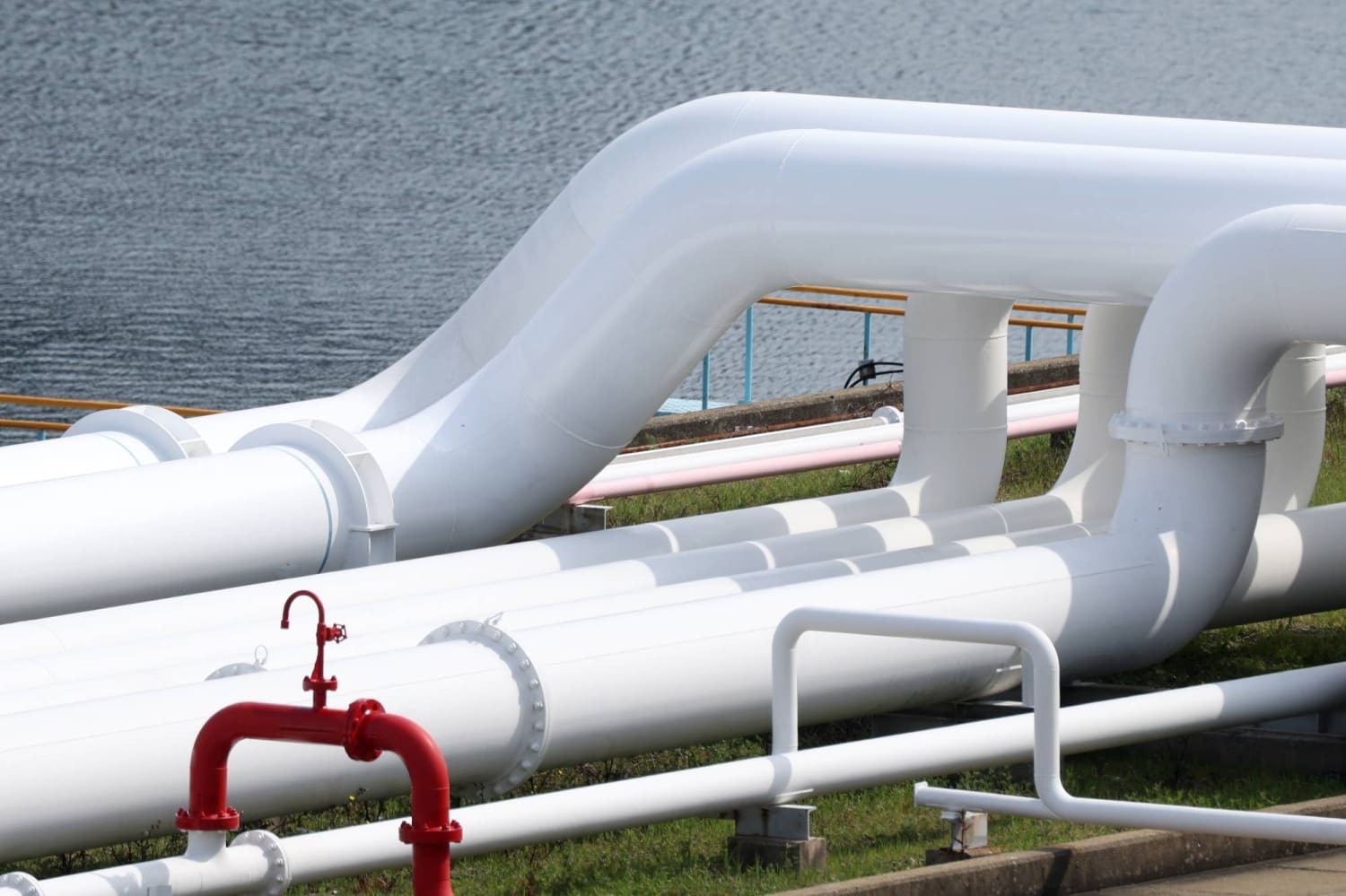
Japan is preparing to increase government financial support for overseas oil pipeline investments, marking a strategic pivot in how Asia's fourth-largest economy secures its energy supply. The initiative reflects Tokyo's determination to strengthen resource security amid persistent geopolitical uncertainty and volatile global energy markets.
The country imports virtually all of its crude oil, making reliable supply infrastructure a matter of national interest. By expanding financing mechanisms for pipeline projects abroad, Japan aims to secure more stable and cost-effective access to petroleum resources while diversifying away from over-reliance on seaborne shipments through vulnerable maritime chokepoints.
Financing Framework
The enhanced support program will provide Japanese companies with improved access to government-backed financing when they participate in international pipeline ventures. This includes both equity investments in existing infrastructure and partnerships in new construction projects across key producing regions.
Japan's energy sector has historically relied on long-term purchase agreements and equity stakes in upstream oil fields. The pipeline financing push represents a broader approach, recognizing that controlling or co-investing in transportation infrastructure can be as strategically valuable as ownership of production assets themselves.
The government already maintains financial instruments through institutions including the Japan Organization for Metals and Energy Security, which provides risk money and loan guarantees for resource development projects. The expanded pipeline support builds on this existing framework while addressing a gap in infrastructure-focused investment.
Regional Context
The move comes as Asian economies intensify competition for energy resources and supply chain resilience. China has invested heavily in cross-border pipeline networks connecting Central Asian gas fields and Russian oil infrastructure to its western provinces. India has explored pipeline routes through Pakistan and Myanmar, though geopolitical complications have stalled several proposals.
Japan's island geography has historically limited its pipeline options compared to continental neighbors. Yet the country's trading houses and engineering firms possess substantial expertise in international energy infrastructure, having participated in projects from the Middle East to Southeast Asia over decades.
The timing aligns with broader regional efforts to reduce dependence on Middle Eastern oil routes through the Strait of Malacca, through which roughly 80 percent of Japan's crude imports currently pass. Alternative supply corridors, including potential pipelines from Russian Far East fields or connections to Southeast Asian networks, could provide strategic redundancy.
Market Implications
For Japanese trading conglomerates and energy companies, the enhanced government backing lowers the financial risk profile of large-scale pipeline investments, which typically require billions of dollars in upfront capital and span multiple decades before generating returns. This could enable participation in projects that would otherwise be too capital-intensive or politically complex.
The initiative also signals Japan's commitment to maintaining its position as a major energy consumer and investor in Asia, even as the country pursues decarbonization targets. While renewable energy and hydrogen receive significant policy attention, petroleum will remain central to Japan's energy mix for years to come, particularly in petrochemicals, aviation fuel, and industrial feedstock.
Energy security remains a defining concern for Japanese policymakers following the 2011 Fukushima nuclear disaster, which forced the shutdown of most of the country's nuclear fleet and dramatically increased reliance on imported fossil fuels. Though some reactors have since restarted, the energy shock reinforced the strategic imperative of diversified, resilient supply chains.
The pipeline financing expansion represents a pragmatic bet that physical infrastructure, despite high costs and long development timelines, offers more durable security than spot market purchases or purely contractual relationships in an era of increasing resource nationalism and supply disruptions.
RELATED STORIES
China Imposes Anti-Dumping Measures on Japanese Semiconductor Chemical Imports
Jun-ho Seo · 3 min

Berkshire Hathaway Eyes Larger Stakes in Japan's Top Trading Houses
Cheng Wei-Lun · 3 min
Malaysia's Rare Earth Deposits Draw Foreign Interest Ahead of China Export Controls
Priyanka V. Rao · 3 min

Honda Demands 30% Price Cuts From Suppliers in $9.4 Billion Cost Plan
Cheng Wei-Lun · 3 min
Spot something wrong? Email editor@briefasia.com. We log every correction publicly.