Technology · Products
Japan's Defence Giants Race to Deploy Combat Drones
Mitsubishi Heavy and Kawasaki Heavy accelerate unmanned systems as Tokyo pivots military strategy toward AI-powered warfare, drawing on Ukraine conflict lessons
KEY TAKEAWAYS
- ·Mitsubishi Heavy Industries developed an interceptor drone prototype in three months and plans small-batch production with continuous specification updates.
- ·Kawasaki Heavy Industries is collaborating with Airbus on an unmanned maritime patrol aircraft integrating submarine-detection systems for Japan's Maritime Self-Defence Force.
- ·Rakuten Group's drone partnership with a German startup sparked public controversy, prompting Catalog House to pull products from Rakuten's marketplace over ethical concerns.
Three-Month Sprint to Interceptor Prototype
Japan's defence industrial base is undergoing its fastest transformation in decades, with established contractors pouring resources into unmanned aerial systems that senior military planners now consider essential to national security.
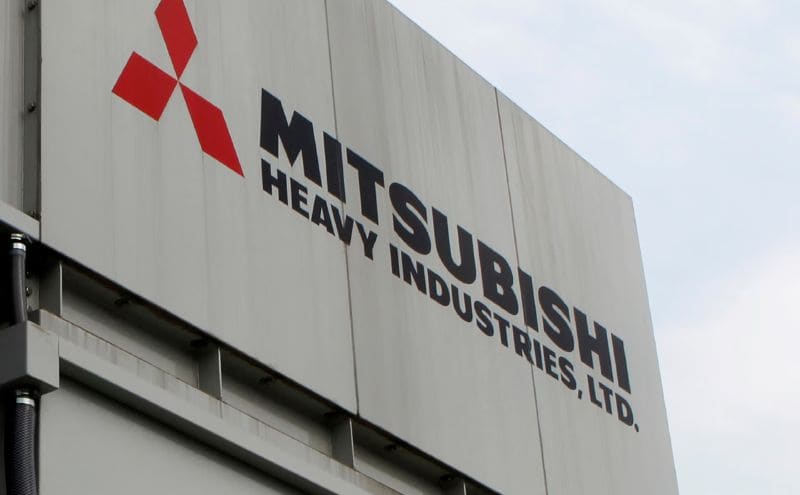
Mitsubishi Heavy Industries unveiled an interceptor drone prototype in May designed to neutralize incoming attack drones, according to the company. The project moved from concept to working hardware in three months through integrated collaboration between research labs and production units, Mitsubishi Heavy President Eisaku Ito said.
The accelerated timeline reflects a strategic shift across Japan's defence sector, where manufacturers are abandoning traditional multi-year development cycles in favor of rapid iteration informed by battlefield data from ongoing conflicts. Mitsubishi Heavy plans to manufacture drones in limited production runs and continuously update technical specifications rather than locking designs for years, Ito said.
The company holds a structural advantage over emerging competitors by leveraging existing rotorcraft engineering and supply chains built over decades of helicopter manufacturing, Ito said. That foundation allows Mitsubishi Heavy to scale production faster than startups attempting to enter the defence market.
Maritime Surveillance Partnership
Kawasaki Heavy Industries is pursuing a separate track, collaborating with Airbus on an unmanned aircraft platform that integrates Kawasaki Heavy's submarine-detection systems and maritime monitoring technology. The companies are positioning the system for potential procurement by the Japan Maritime Self-Defence Force.
The partnership represents a broader pattern of cross-border cooperation as Asian defence contractors seek European aerospace expertise to close capability gaps. Japan's maritime forces have prioritized anti-submarine warfare as regional naval competition intensifies, making autonomous patrol systems a procurement priority.
Startup Entry and Corporate Controversy
The drone build-out has opened pathways for non-traditional players. Terra Drone, a Tokyo-based startup, is developing defence-specific products, while e-commerce conglomerate Rakuten Group partnered with a German startup to supply drones to the Defence Ministry.
That collaboration triggered public backlash. Catalog House, a mail-order publisher, withdrew its products from Rakuten Ichiba, Rakuten's online marketplace, citing conflicts with its corporate philosophy. The dispute highlights emerging friction between Japan's historically pacifist public sentiment and the defence industry's push into civilian commercial ecosystems.
Strategic Context
Tokyo's emphasis on unmanned systems and artificial intelligence stems from its updated defence strategy, which prioritizes technologies that can offset demographic constraints and extend operational reach without proportional increases in personnel. The approach mirrors patterns across advanced militaries, where autonomous platforms are reshaping force structure assumptions.
The global drone arms race has accelerated since Russia's invasion of Ukraine demonstrated the tactical versatility of unmanned systems in contested environments, from reconnaissance and artillery spotting to direct strikes on armor and logistics nodes. Those lessons are now informing procurement decisions across Asia, Europe, and North America.
However, the proliferation of weaponized drones has raised concerns over civilian casualties and damage to critical infrastructure in conflict zones. Japan's defence industry faces the dual challenge of meeting government demand for unmanned capabilities while navigating public debate over the ethical and strategic implications of autonomous warfare.
The speed at which established contractors like Mitsubishi Heavy and Kawasaki Heavy are moving suggests that official procurement timelines will compress significantly in coming years, a departure from Japan's traditionally deliberate defence acquisition process. Whether public acceptance keeps pace with technological deployment remains an open question.
RELATED STORIES
Japanese Chipmaker Plans Southeast Asia Production Expansion
Cheng Wei-Lun · 3 min
SK Hynix Eyes Miyagi Memory Fab as Japan Push Takes Shape
Cheng Wei-Lun · 3 min
Tokyo Summit Pushes Trilateral Tech Alliance Among Taiwan, Japan, and US
Cheng Wei-Lun · 3 min
Japan Launches First Oncolytic Virus Therapy for Esophageal Cancer
Aiko Nakamura · 3 min
Spot something wrong? Email editor@briefasia.com. We log every correction publicly.