Finance · Markets
Japan Steps Into Currency Markets as Yen Weakens Against Major Currencies
Tokyo's apparent intervention last week marks a return to direct market action, though currency strategists question how long the support will hold.
KEY TAKEAWAYS
- ·Japan appears to have intervened in foreign exchange markets last week as the yen weakened against major currencies, with exchange rate movements suggesting coordinated government action.
- ·Currency strategists expect the intervention effects to be short-lived given persistent structural headwinds including wide interest rate differentials and capital outflows seeking higher yields.
- ·Regional implications include potential competitive pressure on South Korean and Taiwanese exporters if yen strength persists, with supply chain margins particularly sensitive to currency shifts.
Tokyo Returns to Direct Market Action
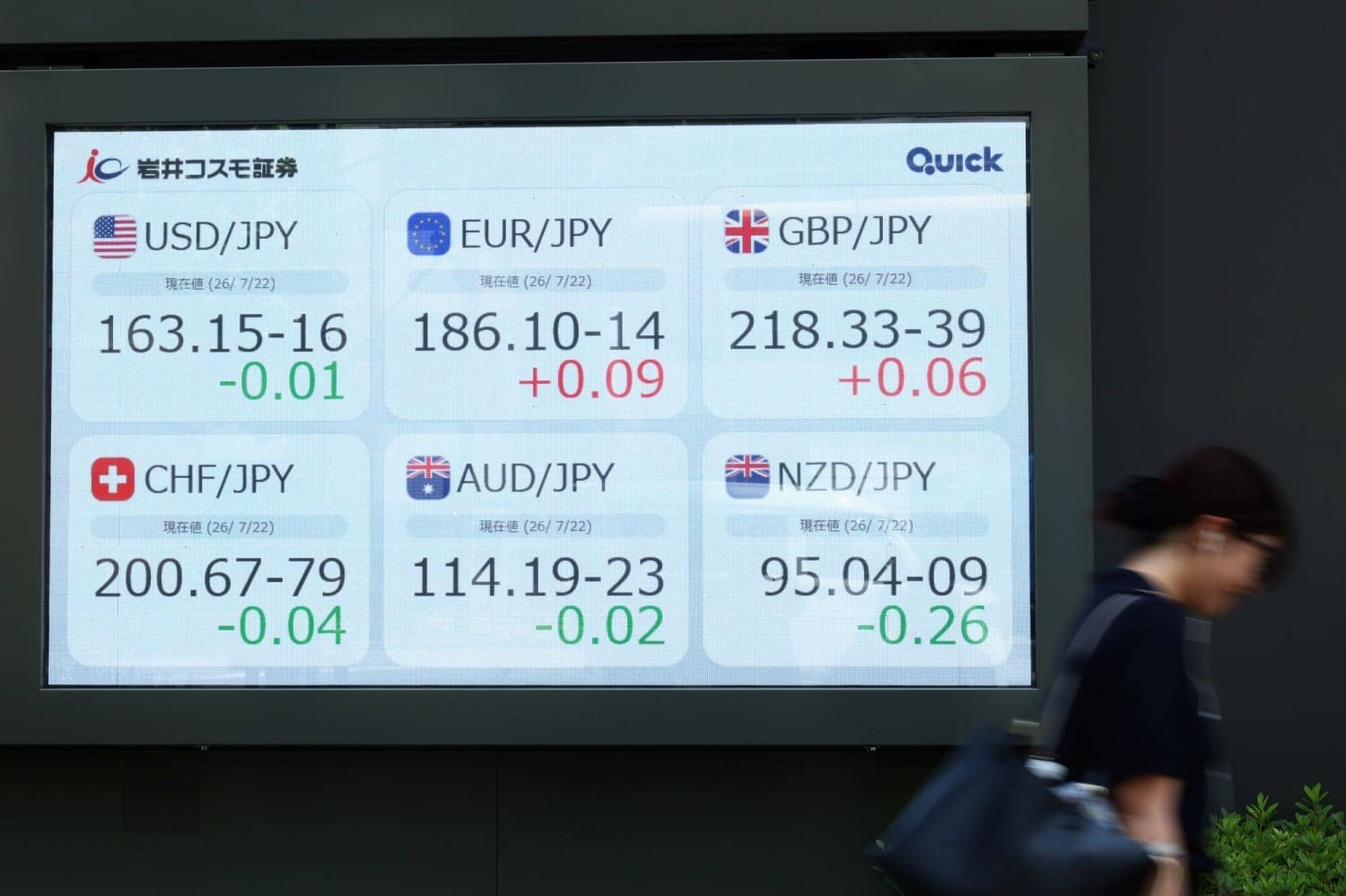
Japan appears to have stepped into currency markets last week as the yen weakened against major currencies, marking what analysts believe is a direct intervention by Tokyo to support the beleaguered currency. Exchange rate boards outside securities firms in the capital displayed the sharp moves that typically accompany government action in the foreign exchange market.
The move represents a significant shift in Tokyo's approach to currency management, coming after months of verbal warnings from finance ministry officials about excessive volatility. While Japanese authorities have not officially confirmed the intervention, the pattern of intraday price movements and the scale of fluctuations point to coordinated selling of foreign currency reserves.
Market Impact and Structural Headwinds
Currency strategists across Asia are questioning the durability of any support the intervention might provide. The fundamental drivers behind yen weakness remain firmly in place, including the widening interest rate differential between Japan and other major economies, persistent capital outflows from Japanese institutional investors seeking higher yields abroad, and structural trade dynamics that have shifted since the pandemic.
The Bank of Japan's commitment to accommodative monetary policy continues to weigh on the currency, even as other central banks in the region maintain tighter stances. South Korea, Singapore, and Australia all hold benchmark rates significantly above Japan's near-zero levels, creating a gravitational pull on capital that no amount of spot market intervention can fully counteract.
Asia's Currency Tensions
Tokyo's decision to intervene carries implications beyond its own borders. Regional currencies have been caught in crosscurrents this year, with exporters in South Korea and Taiwan watching nervously as a stronger yen could erode their competitive position in key markets. The electronics and automotive supply chains that crisscross East Asia are particularly sensitive to these shifts, with margins in component manufacturing often measured in basis points.
China's currency management adds another layer of complexity. Beijing has kept the yuan relatively stable against a basket of currencies, but any sustained yen strength could prompt questions about whether Chinese authorities might allow their own currency to appreciate, or whether they would resist such moves to protect export competitiveness.
Looking Ahead
The effectiveness of currency intervention has declined in recent decades as daily foreign exchange turnover has grown to dwarf the reserves of even the largest central banks. Japan holds one of the world's largest stockpiles of foreign currency reserves, but even those holdings represent only a few days of trading volume in the yen market.
Without a shift in underlying monetary policy or a change in global interest rate differentials, market participants expect any rally in the yen to fade within weeks. The experience of previous interventions, including those in 2022 and earlier episodes, suggests that unilateral action provides only temporary relief unless accompanied by coordinated policy changes or a fundamental shift in economic conditions.
For now, Tokyo has signaled its willingness to defend certain levels in the currency market, even if the long-term trajectory remains uncertain. Traders will be watching closely for any follow-up action or statements from finance ministry officials about tolerance thresholds.
RELATED STORIES

Bank of Japan Prepares Third Rate Increase in Ten Months
Aiko Nakamura · 3 min
Malaysian Ringgit Gains Ground as Markets Anticipate Fed and BOJ Rate Moves
Tran Quoc Bao · 2 min

Japan Wage Growth Hits 29-Year High, Reinforcing Central Bank Rate Path
Aiko Nakamura · 3 min
Bank of Japan Signals Possible Rate Increase This Month
Aiko Nakamura · 3 min
Spot something wrong? Email editor@briefasia.com. We log every correction publicly.