Finance · Deals
Jakarta's $28 Billion Gambit to Build a Financial Hub in Bali
New legislation delivers corporate tax holidays and Golden Visa exemptions as Indonesia bids to reclaim wealth flowing to Singapore
KEY TAKEAWAYS
- ·Indonesia's parliament approved legislation on July 21 establishing an international financial centre expected to attract between $16.7 billion and $28 billion in investment from banks, asset managers, and family offices.
- ·The law grants full corporate income tax holidays and exempts Golden Visa holders from Indonesian tax residency, alongside waivers on foreign income, VAT, luxury-goods tax, and import duties.
- ·Analysts stress that tax breaks alone will not guarantee success; policy consistency, legal certainty, and streamlined regulatory processes remain critical to winning over global financial institutions.
A Legislative Sprint With Outsized Ambitions
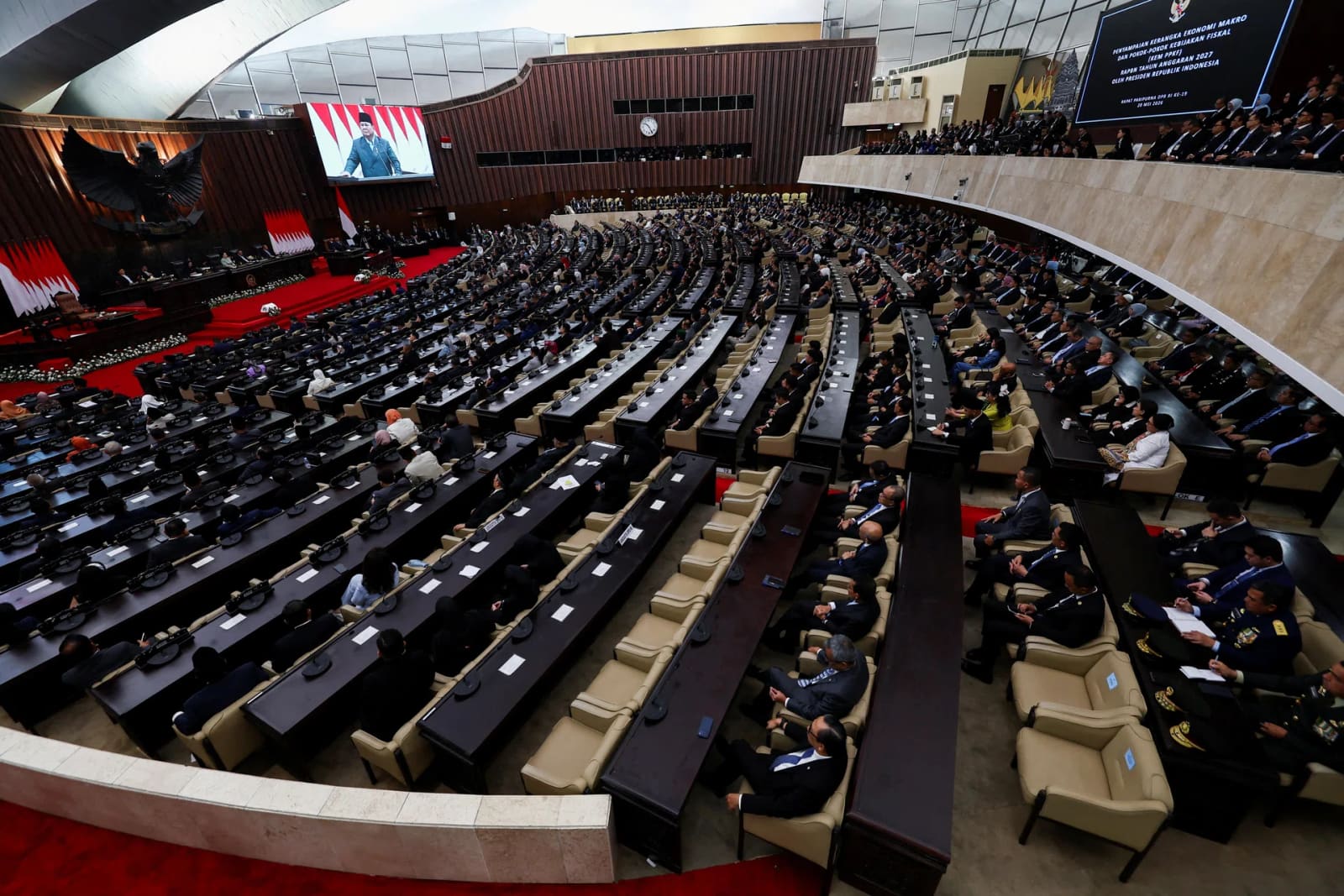
Indonesia's parliament ratified legislation on July 21 creating the legal architecture for an international financial centre, a project the government estimates could pull in between $16.7 billion and $28 billion in capital. The bill sailed through formal deliberations in under three weeks after discussions began on July 2, reflecting the Prabowo Subianto administration's urgency to position Southeast Asia's biggest economy as a destination for global wealth managers, family offices, and multinational banks.
The Indonesia International Financial Centre, known locally as PFII, will extend full corporate income tax waivers for a defined period to qualifying firms that set up shop inside the zone. Golden Visa holders who reside within the centre may avoid classification as Indonesian tax residents for the duration of their visa validity, a carve-out designed to attract high-net-worth individuals who have historically parked their assets elsewhere in the region. The law also removes levies on foreign-sourced income, value-added tax, luxury-goods tax, and import duties for approved activities, with further fiscal sweeteners to follow via executive regulation.
Targeting the Singapore Outflow
For decades, wealthy Indonesians have channelled savings and investment portfolios to Singapore, drawn by its mature regulatory environment, deep capital markets, and established private-banking infrastructure. Jakarta's new framework aims to reverse at least part of that capital flight by offering not only tax relief but also a dedicated arbitration mechanism and a special commercial court to adjudicate contract, tax, and business disputes arising in the zone. The intention is to signal legal predictability to international investors who have long cited regulatory uncertainty as a deterrent.
Mohamad Hekal, deputy chairman of parliament's financial committee, confirmed that a standalone governing body reporting to both the president and parliament will oversee the centre. While officials have yet to announce a final site, Bali has emerged as the frontrunner because of its international airport links and appeal to expatriate professionals. Seed capital for the authority may come from state-owned enterprises, private businesses, or the sovereign wealth fund Danantara.
A Balancing Act Between Incentives and Credibility
The legislation lands as Indonesia navigates currency volatility and heightened scrutiny from rating agencies and index compilers. Bank Indonesia has intervened repeatedly to stabilise the rupiah, which has swung through bouts of weakness in recent months. Prabowo has set an annual growth target of eight per cent and is hunting for investment streams beyond the national budget to fund infrastructure and industrial expansion.
Irvan Mondro, director at Pangolin Investment Management, acknowledged the allure of Bali but cautioned that tax breaks alone will not address deeper concerns around policy consistency and capital mobility. He noted that investors ultimately seek assurance that rules will remain stable and that funds can enter and exit without friction under a predictable legal regime. Streamlined visa processing, transparent business licensing, and reliable macroeconomic management will determine whether the centre can attract the calibre of institutions Jakarta hopes to land.
Carving a Niche Rather Than Chasing Parity
Ravi Varanasi, founding partner at SPRV Consultants, argued that Indonesia should not benchmark success against Singapore or Hong Kong, whose financial ecosystems rest on decades of accumulated liquidity, professional networks, and international trust. Instead, he suggested the archipelago leverage its natural strengths: a domestic market of 280 million people, commodity and energy-transition financing needs, infrastructure funding gaps, a growing private-wealth cohort, and Islamic finance expertise. Sectors such as Indonesia-focused asset management, family offices with regional mandates, and commodity finance represent more realistic targets than global foreign-exchange trading or international securities underwriting.
The fast-tracked approval underscores the administration's determination to act before competing jurisdictions roll out their own incentives. Yet the hard work begins now. Building credible legal institutions, training a pipeline of financial professionals fluent in international standards, and demonstrating policy continuity across election cycles will matter as much as the headline tax rate. If Jakarta can deliver on those fronts, the $28 billion projection may prove conservative. If execution falters, the initiative risks joining the long list of ambitious plans that never left the drawing board.
RELATED STORIES
Indonesia Commits $28 Billion to Jakarta and Bali Financial Hub Push
Priyanka V. Rao · 4 min
Indonesia Stock Exchange Tests Rupiah 1 Price Floor in Market Overhaul
Priyanka V. Rao · 3 min
From Tourism Graduate to Indonesia Electronics Distributor: Wook Eyes IPO
Cheng Wei-Lun · 3 min
CIMB Commits to 55% Dividend Floor as Regional Portfolio Offsets Indonesia Pressure
Priyanka V. Rao · 4 min
Spot something wrong? Email editor@briefasia.com. We log every correction publicly.