Asia · Politics
Indonesian Free Meal Program Faces Safety Crisis as Hundreds Report Food Poisoning
Despite sweeping reforms shuttering 900 kitchens, expired milk and contaminated meals sent dozens of students to hospitals, intensifying scrutiny of the government's nutrition initiative
KEY TAKEAWAYS
- ·Thirty-nine students at a West Java elementary school reported food poisoning symptoms within forty minutes of consuming government-distributed meals that included expired milk dated from June.
- ·The National Nutrition Agency has shut nearly 900 kitchens out of 28,000 nationwide and dismissed hundreds of employees as part of a governance overhaul amid declining public confidence.
- ·Investigators are conducting laboratory tests on meal samples and questioning kitchen staff while BGN pledges to cover medical costs and tighten supervision protocols.
Crisis at School Gates
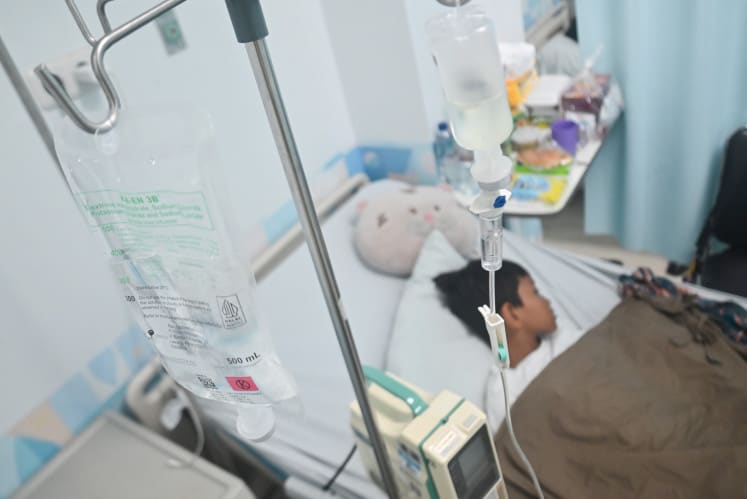
Thirty-nine students at SDN Bojongkoneng State Elementary School in Sukabumi, West Java, began vomiting and clutching their stomachs within forty minutes of finishing breakfast on Tuesday. The meal had arrived at 8:30 a.m., part of Indonesia's free nutritious meal program. By 9:40 a.m., the first child was reporting symptoms. One student needed emergency hospital care.
Investigators discovered expired milk in the meal packages, with cartons dated from June still being served in late July. The National Nutrition Agency (BGN) now faces a public safety crisis across multiple provinces, with hundreds of suspected food poisoning cases reported nationwide in recent weeks.
The Contaminated Menu
The Tuesday breakfast consisted of savory rice, sweet-and-sour eggs, stir-fried carrots and corn, longan fruit, and milk. Tatang Koswara, head of surveillance at the Sukabumi Health Agency, confirmed the timeline. Students consumed the meals at 9 a.m., and symptoms appeared within the hour.
The health agency, working with local police, launched an investigation into the kitchen that prepared the meals. Staff have been questioned, and food samples sent to laboratories for testing. BGN announced it will cover all medical expenses for affected students and pledged tighter supervision at Nutrition Fulfillment Service Units (SPPG), the kitchens that prepare program meals.
The Sukabumi incident is not isolated. Reports of suspected food poisoning have emerged from schools across the archipelago, creating a pattern that suggests systemic weaknesses in food safety protocols rather than isolated lapses.
Reform Amid Declining Trust
The timing compounds the challenge for newly appointed BGN head Sudaryono, who inherited an agency battered by controversy. He has launched a governance overhaul aimed at restoring public confidence, shutting nearly 900 kitchens out of 28,000 nationwide and dismissing hundreds of employees.
The closures represent roughly three percent of the kitchen network, a significant intervention that signals the scale of quality control failures. Yet the Sukabumi cases and others like them demonstrate that problems persist even as reforms roll out.
The free nutritious meal program was designed to address child malnutrition and improve school attendance, with the government distributing daily meals to millions of students. The program operates through a decentralized network of kitchens contracted to prepare and deliver meals to schools, a structure that has proven difficult to monitor effectively.
Accountability Questions
The discovery of expired milk raises questions about procurement oversight and supply chain management. How did out-of-date products reach school cafeterias? Which checkpoints failed? The investigation will need to trace the chain from distributor to kitchen to classroom.
Food safety lapses in a program serving vulnerable populations carry political as well as operational consequences. Parents entrust their children to schools, and schools rely on government assurances that contracted meals meet safety standards. Each poisoning incident erodes that trust and feeds skepticism about the program's viability.
BGN's promise to tighten supervision at kitchens will require more than policy statements. Effective oversight demands trained inspectors, surprise audits, real-time reporting systems, and swift penalties for violations. The agency must demonstrate that reforms translate into safer meals, not just paperwork.
Laboratory results from the Sukabumi samples will clarify whether bacterial contamination, chemical exposure, or spoiled ingredients caused the illnesses. That forensic detail matters for prosecution and prevention, but the broader issue is structural. A program serving millions cannot tolerate recurring safety failures.
The Road Ahead
Sudaryono's kitchen closures and staff dismissals indicate a willingness to act decisively, but the free meal program remains under intense scrutiny. Courts have recently ruled on financing mechanisms, and public debate continues over whether the initiative's design is sustainable.
The program's fate may hinge on whether BGN can demonstrate operational competence in the coming months. More poisoning cases will deepen calls for suspension or radical redesign. Conversely, a sustained period without incidents could rebuild confidence and validate the reform push.
For now, parents in Sukabumi and other affected areas are left weighing the nutritional benefits of free meals against the risk of sending their children to school with empty stomachs or packed lunches instead. That calculation, repeated across thousands of schools, will shape the program's future as much as any policy decision in Jakarta.
RELATED STORIES

Indonesia Charges Toba Pulp Lestari in $113 Million Tax Fraud Probe
Siti Nuraini · 3 min
Indonesia Faces Critical Choice Between Resource Control and Industrial Growth
Tran Quoc Bao · 3 min

Indonesia Unveils Bid to Become Global Commodity Price-Setter
Priyanka V. Rao · 3 min

Indonesia's Record Current Account Deficit Threatens Rupiah Stability
Siti Nuraini · 3 min
Spot something wrong? Email editor@briefasia.com. We log every correction publicly.