Asia · Trade
Indonesia Takes First Russian Crude Delivery as Sanctions Risk Looms
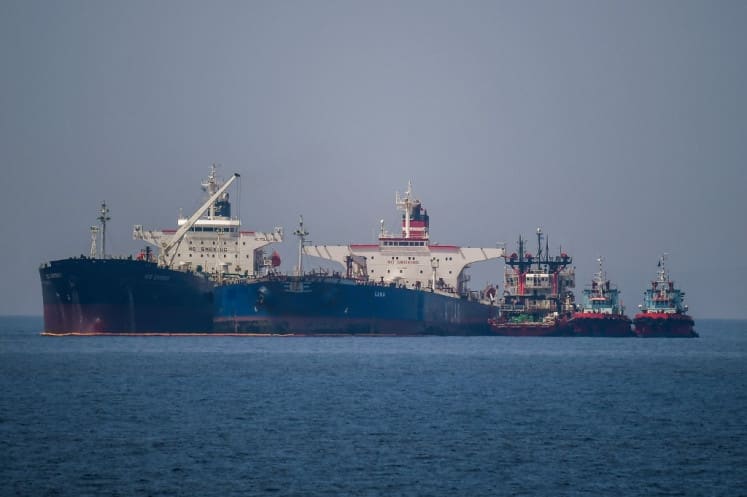
Pertamina received Eastern Siberia-Pacific Ocean crude at East Kalimantan port in June, marking a pivot in Jakarta's energy strategy amid Western export controls
KEY TAKEAWAYS
- ·Pertamina received its first Russian ESPO crude cargo at Lawe-Lawe Port in East Kalimantan on June 28, diversifying Indonesia's energy supply mix.
- ·The move raises secondary sanctions risk as Western governments restrict Russian energy revenues, though Jakarta has signaled limited concern over compliance.
- ·Indonesia joins regional buyers like India and China in absorbing discounted Russian crude, prioritizing cost and energy security over geopolitical alignment.
A New Supply Route
Indonesia received its first cargo of Russian crude oil in late June when Eastern Siberia-Pacific Ocean (ESPO) crude docked at Lawe-Lawe Port in East Kalimantan, according to Pertamina. The delivery represents a departure from the Southeast Asian nation's historical reliance on Middle Eastern and regional suppliers.
ESPO crude, extracted from fields in eastern Russia and shipped via the Pacific pipeline system, has found growing demand among Asian buyers since Western sanctions curtailed European purchases following the Ukraine conflict. The grade's relatively low sulfur content and favorable pricing have attracted refiners across China, India, and now Indonesia.
Pertamina has not disclosed the volume of the June shipment or the contract terms. The state-owned enterprise operates refineries with combined capacity exceeding 1 million barrels per day, though domestic production covers only about 20 percent of national consumption.
Sanctions Calculus
Western governments have imposed successive rounds of restrictions on Russian energy exports, including price caps enforced through insurance and shipping services. While the measures allow purchases below USD 60 per barrel for crude, compliance hinges on documentation and the involvement of entities under European or US jurisdiction.
Jakarta's move introduces potential friction with Washington and Brussels, which have pressed allies to limit Moscow's energy revenues. Indonesia, however, maintains a non-aligned foreign policy and has resisted pressure to join sanctions regimes targeting Russia.
The government has signaled limited concern over secondary sanctions risk. Energy ministry officials have emphasized that Indonesia prioritizes energy security and cost competitiveness over geopolitical alignment, a stance consistent with the administration's broader economic pragmatism.
Regional Precedent
Indonesia is not the first Southeast Asian buyer to turn to Russian barrels. Malaysian and Thai refiners have taken opportunistic cargoes over the past two years, drawn by discounts that can exceed USD 10 per barrel compared to benchmark grades. India and China together now account for more than 80 percent of Russian seaborne crude exports, according to shipping data.
The shift reflects a broader reconfiguration of global oil flows. European refiners that once absorbed nearly half of Russia's crude exports have largely exited, redirecting demand toward the Atlantic Basin and Middle East. Asian buyers have filled the gap, leveraging price dislocations to lower feedstock costs.
For Jakarta, the calculus also involves refinery economics. Pertamina's aging facilities require light, low-sulfur crude to meet fuel specifications and environmental standards. ESPO crude, with sulfur content below 0.6 percent, fits that profile better than heavier grades from the Middle East.
Compliance Questions
The absence of direct US or EU sanctions on Indonesian entities limits immediate legal exposure, but secondary risks remain. Western insurers and shipping companies that facilitate Russian crude transactions face penalties if they breach price cap rules or handle cargoes linked to sanctioned vessels.
Pertamina's use of non-Western logistics and insurance could mitigate that risk, though it would also signal a deeper integration into the parallel trade infrastructure that has emerged to handle sanctioned Russian oil. That network, which includes tankers with opaque ownership and minimal Western service providers, has enabled Moscow to sustain export volumes despite restrictions.
Trade lawyers note that the US Treasury's Office of Foreign Assets Control (OFAC) has broad authority to sanction entities deemed to be undermining sanctions, even if they operate outside US jurisdiction. Whether Pertamina's purchases meet that threshold depends on factors including volume, frequency, and the involvement of sanctioned intermediaries.
Energy Security Imperative
Indonesia's turn to Russian crude comes as domestic output continues a multi-decade decline. The country became a net oil importer in 2004 and now relies on imports for more than 400,000 barrels per day of refinery feedstock and finished products.
Fuel subsidies, a politically sensitive issue, amplify the government's focus on securing low-cost crude. Cheaper feedstock translates directly into lower subsidy outlays, which have strained the budget in years when global oil prices spike.
The Lawe-Lawe delivery also coincides with efforts to boost refinery utilization. Pertamina has struggled with aging infrastructure and unplanned outages, leaving Indonesia dependent on imported gasoline and diesel. Accessing competitively priced crude could improve margins and reduce the need for finished product imports.
Jakarta's willingness to navigate sanctions risk underscores a regional pattern: energy importers in Asia are prioritizing supply security and cost over alignment with Western geopolitical objectives. As long as Russian crude trades at a discount and enforcement remains selective, that calculus is unlikely to shift.
RELATED STORIES
Five ASEAN Members Back Regional Oil Stockpile as Study Nears Completion
Tran Quoc Bao · 3 min

Indonesia Charges Toba Pulp Lestari in $113 Million Tax Fraud Probe
Siti Nuraini · 3 min

Indonesia's Instant Noodle Consumption Falls for First Time in Five Years
Priyanka V. Rao · 3 min
Indonesia Faces Critical Choice Between Resource Control and Industrial Growth
Tran Quoc Bao · 3 min
Spot something wrong? Email editor@briefasia.com. We log every correction publicly.