Sustainability · Energy
Indonesia's B50 Biodiesel Push Exposes Supply Strain and Export Trade-Offs
Jakarta's leap to a 50 percent palm-oil fuel blend threatens to squeeze cooking oil availability, erode tax revenue from exports, and leave smallholder replanting programs underfunded.
KEY TAKEAWAYS
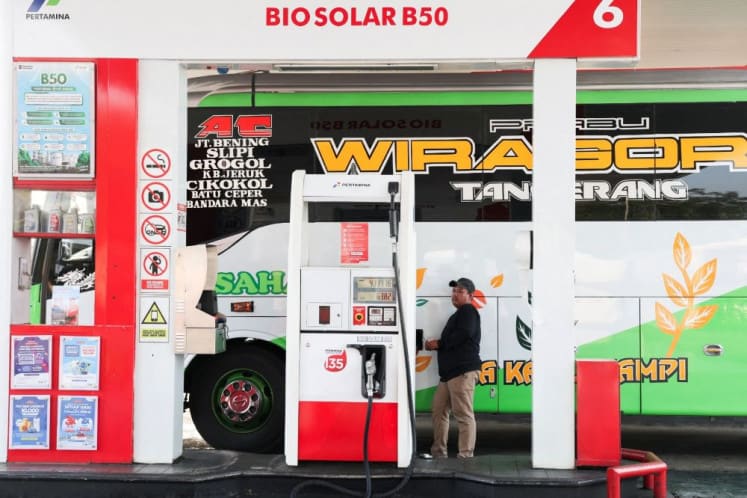
- ·Indonesia implemented a world-first 50 percent palm-biodiesel mandate on July 1, 2026, aiming to eliminate diesel imports within the year.
- ·The accelerated shift diverts crude palm oil from cooking oil and exports, risking domestic shortages and reduced government revenue for smallholder replanting programs.
- ·Industry groups are calling for supply allocation rules and price stabilization mechanisms before further biodiesel mandate increases.
A World-First Mandate
Indonesia became the first nation to implement a B50 biodiesel mandate on July 1, requiring half of all diesel fuel sold domestically to derive from palm oil. The policy, introduced under President Prabowo Subianto, builds on a decade-and-a-half progression that began at 10 percent in 2011 and reached 40 percent in early 2025. The new blend now applies to commercial logistics, fishing fleets, and subsidized passenger diesel nationwide.
Prabowo argues the accelerated timeline will eliminate diesel imports within the year, insulating the archipelago from volatile global crude markets shaped by geopolitical conflict. Yet the speed of the rollout has exposed structural constraints in the country's palm sector, where production growth lags behind the surge in domestic fuel demand.
Tightening Domestic Supply
Indonesia remains the world's largest crude palm oil producer, but every additional tonne allocated to biodiesel leaves less for cooking oil or export. Industry observers warn the diversion could trigger a repeat of the 2022 cooking oil crisis, when domestic shortages led to panic buying and temporary export bans. Current plantation output struggles to meet the combined requirements of food manufacturers, biodiesel refiners, and international buyers.
The supply squeeze carries fiscal consequences. Export volumes generate tax revenue and levies that fund smallholder replanting initiatives. As shipments decline, so does the public budget available to rejuvenate aging palms. Over time, underfunded renewal programs risk further depressing yields, creating a feedback loop in which stagnant productivity makes it harder to satisfy expanding domestic fuel consumption.
Market Governance Gaps
The B50 rollout arrives without a comprehensive framework to balance competing demands on palm supply. Successive administrations have raised the biodiesel share incrementally, from B10 under Susilo Bambang Yudhoyono to B35 under Joko Widodo, but the jump to B50 in 18 months represents the steepest increase yet. Energy officials have not disclosed contingency plans for cooking oil shortages or mechanisms to stabilize prices if domestic availability tightens.
Export-dependent refiners face additional uncertainty. Indonesia's palm shipments underpin global vegetable oil markets, and any sustained contraction in export volumes would reverberate through supply chains in India, China, and the European Union. Traders are already adjusting forecasts for Indonesian crude palm oil availability in the second half of 2026.
Environmental and Social Dimensions
The biodiesel mandate also intersects with environmental commitments. Palm cultivation has historically driven deforestation in Sumatra and Kalimantan, and increased planting to meet fuel demand could accelerate land conversion if not paired with strict sustainability safeguards. Smallholders, who account for roughly 40 percent of national palm area, depend on replanting subsidies to maintain productivity and income. A prolonged funding shortfall would weaken their ability to upgrade aging stands, potentially pushing marginal growers out of the sector.
At the same time, the policy delivers measurable greenhouse gas reductions compared to petroleum diesel, provided the feedstock comes from certified sustainable sources. Indonesia has promoted its biodiesel program as a climate solution, but the net environmental benefit hinges on preventing indirect land-use change and ensuring traceability across the supply chain.
What Comes Next
The Prabowo administration has signaled it views energy independence as a strategic priority, particularly as regional tensions disrupt global oil flows. Yet achieving that goal without destabilizing domestic food markets or eroding export competitiveness will require careful calibration. Policymakers must decide whether to slow the pace of future biodiesel increases, expand plantation area, or impose temporary caps on fuel consumption to preserve cooking oil stocks.
Industry groups are calling for clearer supply allocation rules and price stabilization mechanisms before any further mandate hikes. Export refiners want guarantees that a minimum share of crude palm oil will remain available for international contracts. Smallholder cooperatives are pressing for sustained replanting finance, warning that productivity gains take years to materialize and cannot be deferred without long-term damage.
Indonesia's B50 experiment offers a test case for other tropical producers weighing similar mandates. Malaysia, Thailand, and Colombia all operate biodiesel programs but have stopped short of the 50 percent threshold. How Jakarta navigates the supply, fiscal, and environmental trade-offs in the coming months will shape the viability of ultra-high blend mandates across the region.
RELATED STORIES
Indonesia's Palm Oil Zones Account for Bulk of Fire-Ravaged Land This Year
Siti Nuraini · 4 min
Indonesia Seeks 100GW Solar Build From China, But Not Chinese Ownership
Priyanka V. Rao · 3 min
Indonesia Faces Tension Between Petrochemical Growth and Plastic Reduction Goals
Siti Nuraini · 4 min
Indonesia Unveils Bid to Become Global Commodity Price-Setter
Priyanka V. Rao · 3 min
Spot something wrong? Email editor@briefasia.com. We log every correction publicly.