Technology · Policy
Indigenous Communities Challenge Land Use for Philippine Semiconductor Project
Local opposition emerges over territory allocated for US-backed Pax Silica initiative in Tarlac province
KEY TAKEAWAYS
- ·Indigenous leaders in Capas, Tarlac learned of the Pax Silica semiconductor project only during President Marcos's State of the Nation address, with no prior consultation on land use.
- ·The proposed technology hub sits on territory claimed as ancestral domain, and protesters argue the government bypassed required consent processes under Philippine law.
- ·The Philippines competes with Vietnam, Thailand, and Indonesia for chip investment, creating pressure to fast-track approvals that may conflict with indigenous rights protections.
A Surprise Announcement
Tony Gutierrez learned about Pax Silica the same way most Filipinos did: when President Ferdinand Marcos Jr. mentioned it during his State of the Nation address in July. For an indigenous people's representative on the Capas municipal council in Tarlac province, the timing was jarring. The land earmarked for a technology hub supporting the US-backed semiconductor initiative sits on territory his community claims as ancestral domain.
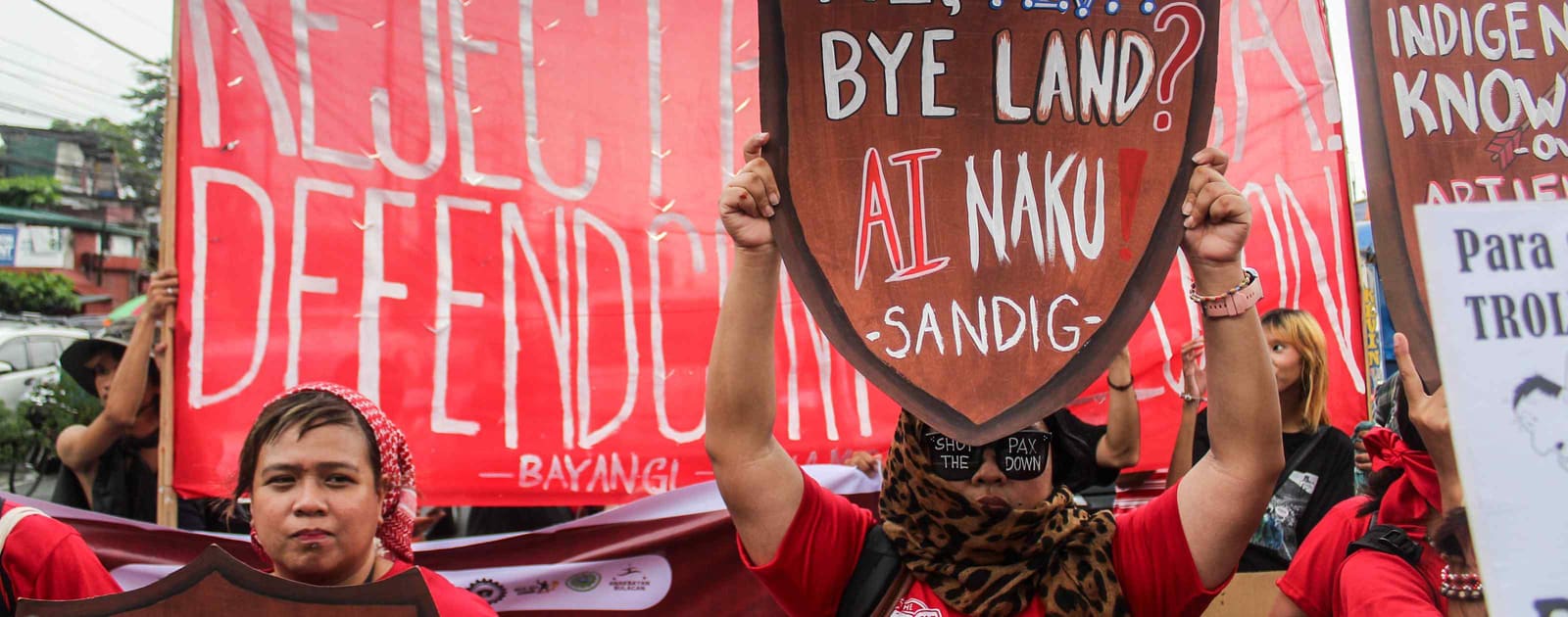
The disconnect highlights a widening gap between Manila's push to secure a foothold in global chip supply chains and the concerns of communities whose land stands at the center of those plans. Protesters rallied in the capital during Marcos's speech, objecting to the use of indigenous territory for the project without adequate consultation or consent.
What Is Pax Silica
Pax Silica represents Washington's effort to diversify semiconductor manufacturing and materials sourcing beyond Northeast Asia. The initiative seeks to build resilient supply chains by cultivating production capacity in allied nations, particularly in Southeast Asia. The Philippines has positioned itself as a candidate for packaging, testing, and materials processing - lower in the value chain than advanced fabrication but still strategically valuable.
Marcos has championed the program as a path to higher-value manufacturing jobs and closer defense and economic ties with the United States. His administration has floated tax exemptions and infrastructure commitments to attract investors. Yet the president's public endorsement came before many local officials and indigenous leaders understood what the project entailed or where it would be built.
Land Rights and Consultation
Indigenous communities in the Philippines hold constitutionally protected rights to ancestral domains, including the requirement for free, prior, and informed consent before commercial development. Gutierrez and other local leaders say that process was bypassed or condensed to the point of irrelevance. The Capas site, they argue, overlaps with land used for farming, gathering, and cultural practices.
The national government has not disclosed the full scope of land acquisition or the legal mechanism used to allocate the site. Provincial officials in Tarlac have remained publicly silent, leaving municipal representatives to field questions from residents who fear displacement or loss of livelihood.
Protesters in Manila carried banners accusing the administration of prioritizing foreign investment over indigenous rights. Civil society groups have echoed those concerns, warning that rushed approvals risk legal challenges and social friction that could delay or derail the project entirely.
Regional Competition and Pressure
The Philippines is not the only Southeast Asian nation courting semiconductor investment. Vietnam has secured commitments from Intel, Amkor, and other major players for expanded assembly and test facilities. Thailand is upgrading industrial estates to accommodate chip-related manufacturing. Indonesia is negotiating with Chinese and Taiwanese firms for materials and components production.
In this environment, Manila faces pressure to move quickly or risk being passed over. The Marcos administration has signaled willingness to fast-track permits and streamline environmental reviews. But that urgency collides with the slower, consultative processes required by indigenous rights law and local governance structures.
The tension is compounded by the fact that Pax Silica remains somewhat opaque in its details. Unlike specific factory announcements with named investors and capital commitments, the initiative functions more as a framework - an invitation for companies to consider the Philippines as part of a diversified supply chain. That ambiguity makes it difficult for local communities to assess what the project will actually look like on the ground.
What Happens Next
The immediate question is whether the government will pause to conduct formal consultations with indigenous communities in Capas and address land rights claims. Legal experts say that failure to secure free, prior, and informed consent could open the door to court challenges that stall construction for years.
At the same time, the administration is unlikely to abandon Pax Silica, given the strategic and economic stakes. Semiconductor capacity has become a geopolitical asset, and the Philippines has few comparable opportunities to integrate into advanced manufacturing networks. The challenge is finding a path that reconciles national ambitions with local rights and livelihoods.
For now, Tony Gutierrez and his constituents are waiting for answers. They want to know the exact boundaries of the proposed hub, the terms of land use, and the mechanisms for community benefit and environmental protection. Until those details emerge, opposition is likely to grow - not just in Capas, but in other provinces where similar projects may be planned.
RELATED STORIES

Philippines Logs 800 Million Government Transactions Through Single Mobile App
Mariel D. Santos · 4 min

Robinsons Retail Exits Philippine Stock Exchange After 13 Years
Priyanka V. Rao · 2 min

Philippines Central Bank Warns Digital Access Alone Won't Achieve Financial Inclusion
Priyanka V. Rao · 3 min

Philippines Shifts Digital Payments From Convenience to Critical Infrastructure
Priyanka V. Rao · 3 min
Spot something wrong? Email editor@briefasia.com. We log every correction publicly.