Asia · Trending
Families of Indian Seafarers Killed in Gulf Conflict Push for $5 Million Per Victim
Bereaved relatives press New Delhi to seek UN compensation from Washington and Tehran as commercial shipping toll mounts in Strait of Hormuz
KEY TAKEAWAYS
- ·Families of roughly a dozen Indian merchant sailors killed in attacks near the Strait of Hormuz are demanding New Delhi petition the UN for $5 million compensation per victim from the US and Iran.
- ·India supplies approximately 12.8 percent of the world's seafarers, making its maritime workforce particularly exposed when shipping lanes become conflict zones.
- ·No binding international mechanism currently exists to compel nations to pay damages for civilian deaths in maritime conflict zones, creating significant legal hurdles for the compensation campaign.
Compensation Campaign Gathers Momentum
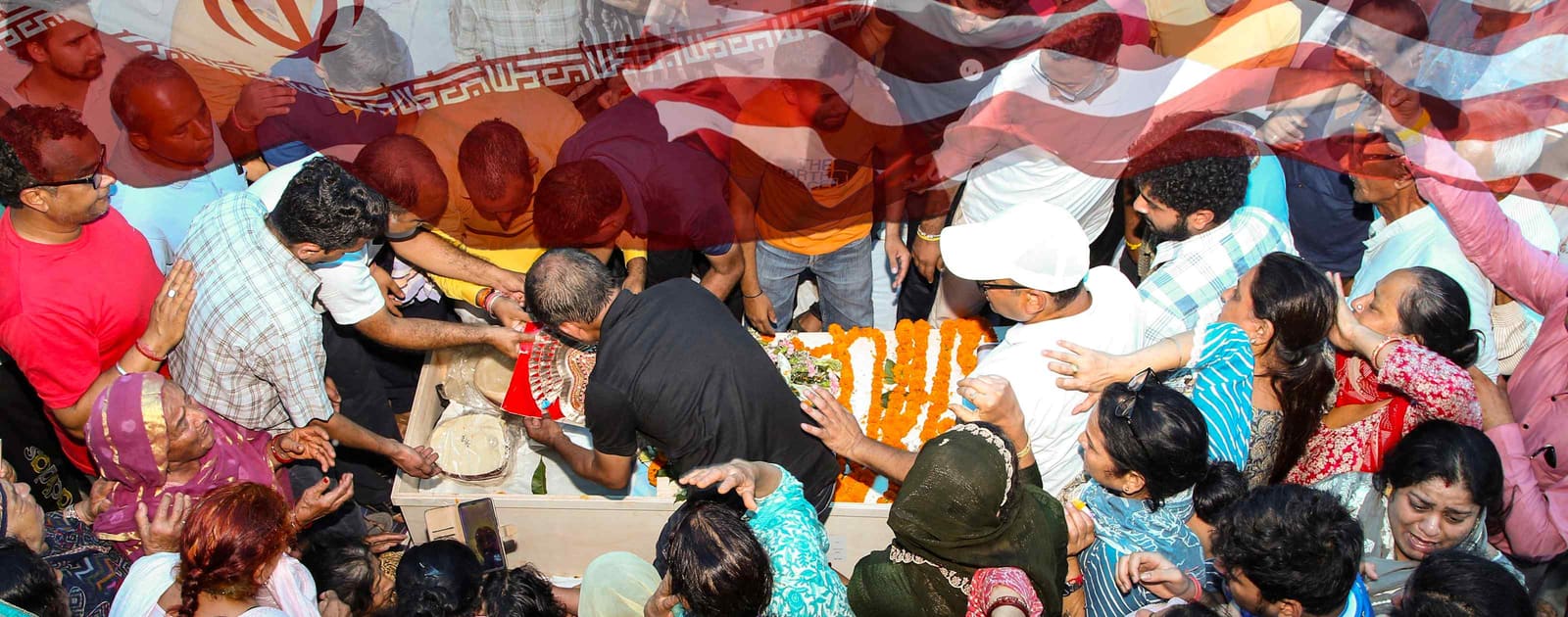
Relatives of Indian merchant sailors killed in attacks on commercial shipping near the Strait of Hormuz have called on New Delhi to file an immediate petition with the United Nations seeking compensation from both the United States and Iran. The families are demanding $5 million for each of approximately a dozen seafarers who lost their lives as military tensions between Washington and Tehran spilled into one of the world's busiest maritime corridors.
The push for compensation underscores the human cost borne by Asia's maritime workforce as geopolitical conflict disrupts global shipping lanes. India supplies roughly 12.8 percent of the world's seafarers, making the country's merchant marine community particularly vulnerable when trade routes turn into conflict zones.
Asia's Seafarers Bear the Brunt
The deaths occurred during strikes on commercial vessels transiting in and around the Strait of Hormuz, the narrow waterway through which roughly one-fifth of global oil supplies pass. While military powers exchange fire over strategic interests, the sailors manning tankers and cargo ships often find themselves in the crosshairs with little protection or recourse.
Families of the victims argue that both Washington and Tehran bear responsibility for the deaths, given that civilian vessels became targets or collateral damage in a conflict between the two nations. The $5 million figure represents an attempt to establish a compensation benchmark for non-combatant deaths in maritime conflict zones, though no international standard currently exists for such cases.
Legal and Diplomatic Hurdles
Filing a petition with the UN does not guarantee compensation or even a hearing. The families face significant legal obstacles, including questions of jurisdiction, liability attribution, and the absence of binding international mechanisms to compel nation-states to pay damages for civilian deaths in conflict zones.
India's government has not yet indicated whether it will file the requested petition. New Delhi maintains diplomatic and economic ties with both Washington and Tehran, complicating any official move that would effectively accuse both governments of responsibility for Indian deaths. The Ministry of External Affairs has historically been cautious about taking strong public positions in conflicts involving major powers where Indian nationals are caught in the middle.
Broader Implications for Maritime Safety
The compensation demand arrives as shipping companies and insurers reassess risk models for Gulf transit. Several Asian shipping lines have rerouted vessels to avoid the Strait of Hormuz entirely, adding days to voyage times and significantly increasing fuel costs. War-risk insurance premiums for vessels transiting the Gulf have surged, with some underwriters refusing coverage altogether.
For the families in India, the financial and emotional toll is immediate. Many seafarers are primary breadwinners for extended households, and their deaths leave relatives without income or safety nets. While shipping companies typically carry life insurance for crew members, the policies often pay out far less than the $5 million the families are now seeking from the governments they hold responsible.
Regional Precedent and Future Claims
If successful, the compensation campaign could set a precedent for similar claims from families in the Philippines, Indonesia, and Bangladesh, countries that also supply large numbers of merchant sailors to global shipping. The internationalization of maritime labor means that any major conflict affecting shipping lanes will invariably produce casualties across multiple Asian nations, each with their own approaches to seeking redress.
The UN has no standing fund or mechanism for compensating civilian casualties in international conflicts, and past attempts to secure compensation for non-combatants killed in maritime incidents have met with limited success. The families' campaign will likely require sustained diplomatic pressure, legal advocacy, and perhaps coordination with other affected nations to gain traction in international forums.
As the U.S.-Iran confrontation continues, the number of affected families may grow, adding urgency to calls for both conflict de-escalation and the establishment of clearer protections for civilian maritime workers operating in or near combat zones.
RELATED STORIES
Oil Stockpiles Fall as Hormuz Disruption Stalls Middle East Shipments
Cheng Wei-Lun · 3 min

India's Young Farmers Adopt Drones and Digital Tools to Navigate Climate Pressures
Priyanka V. Rao · 5 min

India's Chinese Import Bill Climbs Despite Self-Reliance Push
Priyanka V. Rao · 3 min
India's 7.8% GDP Growth Sparks Debate Over Revised Base Year Calculations
Rajesh K. Iyer · 3 min
Spot something wrong? Email editor@briefasia.com. We log every correction publicly.