Asia · Business
Hyundai Motor Group Posts Record July Sales in US on Hybrid Strength
Combined sales from Hyundai and Kia climbed 5 percent year-on-year as hybrid demand cushioned sharp EV decline
KEY TAKEAWAYS
- ·Hyundai Motor Group sold 165,284 vehicles in the US in July, a 5 percent year-over-year increase and a July record for both Hyundai and Kia.
- ·Hybrid demand surged across the portfolio while electric vehicle sales declined sharply, reflecting broader market trends favoring plug-in alternatives with range flexibility.
- ·The group's expanded hybrid lineup and pricing discipline have driven market share gains in the competitive compact and midsize crossover segments.
Korean Automakers Ride Hybrid Wave
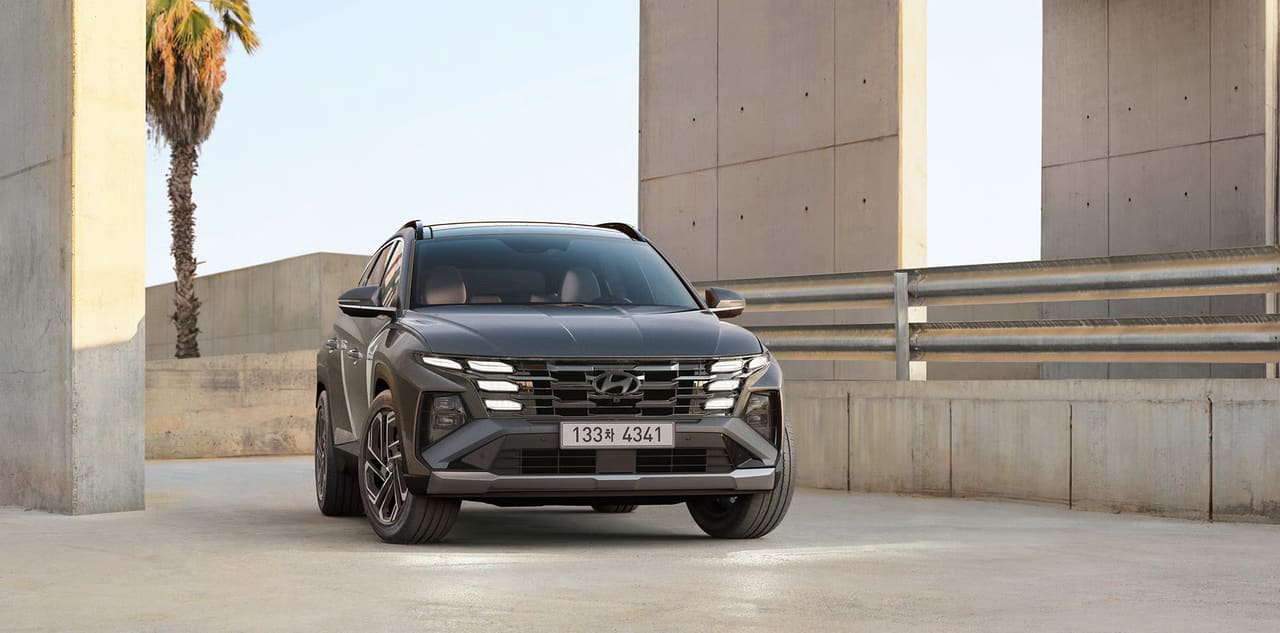
Hyundai Motor Group notched its strongest July performance in the US market, delivering 165,284 vehicles across its Hyundai, Kia, and Genesis brands last month. The 5 percent year-over-year increase underscores a strategic pivot that is paying dividends as American buyers lean harder into hybrid powertrains while pulling back from pure battery-electric models.
Hyundai Motor, including the Genesis luxury marque, moved 89,427 units in July, a 3.7 percent gain from the same month in 2024. Kia posted a sharper climb, with deliveries rising 6.7 percent to 75,857 vehicles. Both brands set new July benchmarks, according to the group's latest sales data.
The Tucson compact crossover led Hyundai's lineup, though the company did not disclose exact unit figures for individual nameplates. Across the portfolio, hybrid variants absorbed much of the growth momentum, offsetting a pronounced slide in EV registrations that has emerged as a broader industry trend this year.
EV Slowdown Meets Hybrid Surge
The sharp contrast between hybrid uptake and EV softness reflects shifting consumer priorities in North America. Charging infrastructure gaps, purchase-price premiums, and range anxiety continue to weigh on battery-electric adoption, even as federal incentives remain in place. Hybrids, by contrast, eliminate range concerns and often qualify for lower insurance premiums, making them an easier sell in suburban and rural markets where public charging networks remain sparse.
Hyundai Motor Group has responded by expanding hybrid availability across core models. The Tucson, Santa Fe, and Sonata all offer electrified variants, and Kia has rolled out hybrid options for the Sportage, Sorento, and Niro. That breadth gives dealers flexibility to steer shoppers toward electrification without the all-or-nothing proposition of a pure EV.
The strategy aligns with broader industry data. Hybrid sales across the US market have climbed steadily in 2025, while EV growth rates have decelerated after several years of triple-digit percentage gains. Automakers that entered the year with thin hybrid portfolios have found themselves at a disadvantage, ceding market share to competitors with deeper electrified lineups.
Competitive Landscape and Market Share
Hyundai Motor Group's July performance arrives amid intensifying competition from both legacy Detroit manufacturers and newer entrants. Toyota and Honda continue to dominate the hybrid segment, but the Korean duo has narrowed the gap through aggressive pricing and feature-rich trim levels. Genesis, meanwhile, is carving out a niche in the premium space, where electrified powertrains carry less of a price penalty and appeal to early-adopter demographics.
The group's US market share has inched upward over the past twelve months, driven largely by strength in the compact and midsize crossover categories that account for the bulk of American retail volume. Inventory levels have also improved, giving dealers more flexibility after years of constrained supply chains.
Pricing discipline has played a role as well. While some competitors have resorted to steep incentives to clear aging inventory, Hyundai and Kia have maintained relatively lean discount structures, preserving transaction prices and dealer margins. That approach has helped protect residual values, a critical factor for lease-heavy segments like compact crossovers.
Outlook and Strategic Bets
The group faces a delicate balancing act in the months ahead. Hybrid momentum shows no sign of fading, but the company has committed billions to EV development and cannot afford to let its battery-electric pipeline stall. New EV launches are scheduled for later this year, including updated versions of the Ioniq 5 and EV6 that aim to address range and charging-speed complaints.
At the same time, Hyundai Motor Group is navigating trade and tariff uncertainties. US-assembled models enjoy a cost advantage, but the group still imports a significant share of its volume from South Korea and Mexico. Any shifts in trade policy could pressure margins or force production reallocations.
For now, the July numbers offer a clear signal: American buyers want electrification, but they want it with a safety net. Hybrids provide that, and Hyundai Motor Group's willingness to meet the market where it stands has translated into tangible sales gains and record-setting months. The test will be whether that momentum can carry through the year as seasonal demand patterns shift and competitors roll out their own expanded hybrid lineups.
RELATED STORIES

Jollibee Brings Compose Coffee to Manila With Five-Year Expansion Plan
Priyanka V. Rao · 3 min
Incheon Airport Launches Korea's First Passenger-to-Freighter Conversion Service
Cheng Wei-Lun · 3 min

Homeplus Secures Funding and Resumes Operations as Court Deadline Looms
Jun-ho Seo · 4 min
Washington's Polysilicon Tariffs Set to Squeeze Korean Solar Producers
Cheng Wei-Lun · 3 min
Spot something wrong? Email editor@briefasia.com. We log every correction publicly.