Asia · Business
Hyundai Engineering Shifts Focus to Energy and AI Infrastructure
Seoul-based contractor unveils new corporate vision to move beyond traditional EPC business into future energy and advanced industrial facilities
KEY TAKEAWAYS
- ·Hyundai Engineering unveiled a new corporate vision to expand beyond traditional EPC into energy transition and AI infrastructure at a Seoul ceremony Thursday.
- ·The company defined its purpose as connecting space and energy technologies, targeting hydrogen facilities, renewable projects, and data centers.
- ·The pivot mirrors moves by Samsung Engineering and SK ecoplant as Korean contractors compete for shrinking Middle East oil contracts and chase green infrastructure pipeline.
Strategic Shift Announced
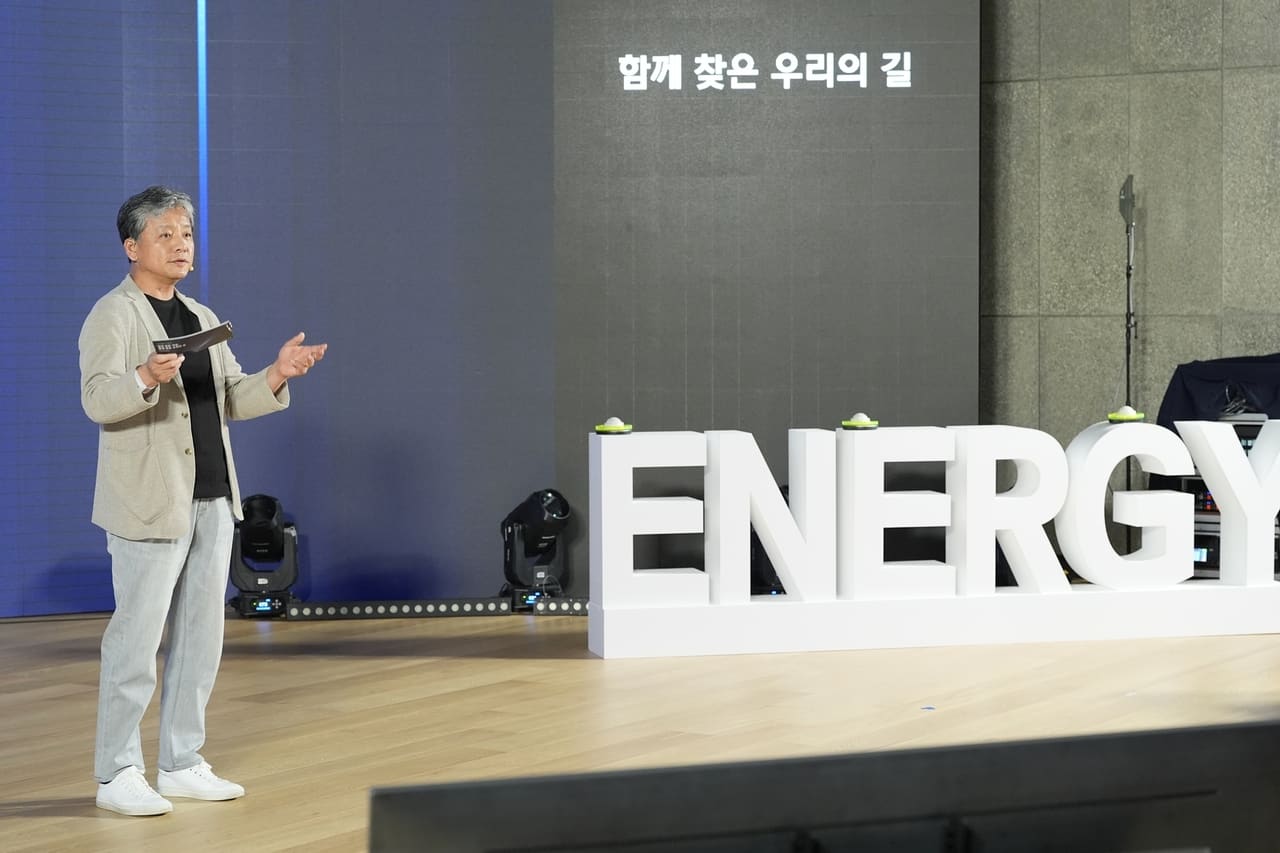
Hyundai Engineering announced a strategic repositioning Thursday, signaling its intent to expand beyond conventional engineering, procurement, and construction work into energy transition and advanced industrial infrastructure. The company held a ceremony at its Seoul headquarters to unveil the new corporate direction.
According to Hyundai Engineering, the company has defined its corporate purpose as "making a better life with our technologies on a road that connects space and energy." The vision positions the contractor as a key player in what it calls the evolution of the energy value chain.
Moving Beyond Traditional EPC
The pivot represents a significant departure for a company historically focused on traditional EPC contracts across oil and gas, petrochemicals, and heavy industrial sectors. Hyundai Engineering's new strategic framework targets opportunities in renewable energy infrastructure, hydrogen production facilities, and data center construction to support artificial intelligence workloads.
Korea's engineering and construction sector has faced mounting pressure to diversify as global capital flows increasingly favor low-carbon infrastructure over fossil fuel projects. The country's commitment to carbon neutrality by 2050 has accelerated the shift, pushing established players to retool capabilities and chase contracts in emerging segments.
Competitive Landscape
Hyundai Engineering joins a growing roster of Korean contractors recalibrating their portfolios. Domestic rivals including Samsung Engineering and SK ecoplant have already announced similar pivots, targeting hydrogen, ammonia, and battery manufacturing facilities as anchor growth areas. The competition for skilled engineers and project pipeline in these nascent markets is intensifying across Seoul's engineering district.
The company's emphasis on AI infrastructure reflects broader regional trends. Demand for hyperscale data centers across Asia has surged as tech giants and cloud providers race to expand capacity to train and deploy large language models. Singapore, Tokyo, and Seoul have emerged as key hubs, though power availability and cooling requirements present engineering challenges that favor contractors with thermal management expertise.
What It Means for Korea's Industrial Pivot
Korea's engineering sector has historically derived revenue from Middle East oil and gas mega-projects, but that pipeline has thinned as Gulf states themselves build domestic EPC capacity. Hyundai Engineering's new vision aligns with Seoul's broader industrial policy, which channels subsidies and financing toward green hydrogen, offshore wind, and semiconductor fabrication support infrastructure.
The company did not disclose capital allocation targets or specific project commitments tied to the new vision. Industry observers note that translating corporate purpose statements into contract wins requires demonstrable track records in the target segments, an area where Hyundai Engineering will compete against both domestic peers and established international players with deeper decarbonization portfolios.
Execution risk remains high. Energy transition projects often carry different risk profiles than traditional EPC work, with technology immaturity, offtake uncertainty, and evolving regulatory frameworks complicating project finance. Contractors that moved early into renewable EPC have reported margin pressure as competition intensified and supply chains for key components like electrolyzers and turbines remain concentrated.
Regional Context
Across Asia, governments are deploying industrial policy to capture value in the energy transition. Japan's Green Transformation program, India's production-linked incentives for solar and battery manufacturing, and China's dominance in renewable equipment supply chains are reshaping where and how infrastructure gets built. Korean contractors risk losing ground if they cannot secure anchor projects in these markets or differentiate on engineering execution.
Hyundai Engineering's announcement comes as Korea's construction sector grapples with a domestic slowdown. Residential project starts have declined, and corporate investment in new industrial capacity remains cautious amid global demand uncertainty. Pivoting toward energy and AI infrastructure offers a potential growth vector, but the window to establish credibility is narrowing as competitors move faster and clients demand proven delivery capability.
The company's ability to translate its new vision into a competitive portfolio will depend on securing early reference projects, recruiting specialized talent, and forming strategic alliances with technology providers and equity sponsors active in the energy transition space. For now, the vision articulates ambition. The market will judge on execution.
RELATED STORIES

SK Chemicals Targets Europe's Can-Coating Shift After BPA Ban
Cheng Wei-Lun · 2 min
South Korea's Export Surge Powers Economic Upturn Through Third Quarter
Jun-ho Seo · 4 min
South Korea Targets $40,000 Per Capita Income as GDP Growth Accelerates
Jun-ho Seo · 4 min
South Korea Breaks Full-Year Export Record in September
Tran Quoc Bao · 3 min
Spot something wrong? Email editor@briefasia.com. We log every correction publicly.