Asia · Business
Hyosung Secures Brazilian Grid Deal as Korea Deepens Latin America Infrastructure Push
South Korean heavy industry player will supply ultra-high-voltage transformers to hydropower plant while partnering on next-generation grid stabilization technology
KEY TAKEAWAYS
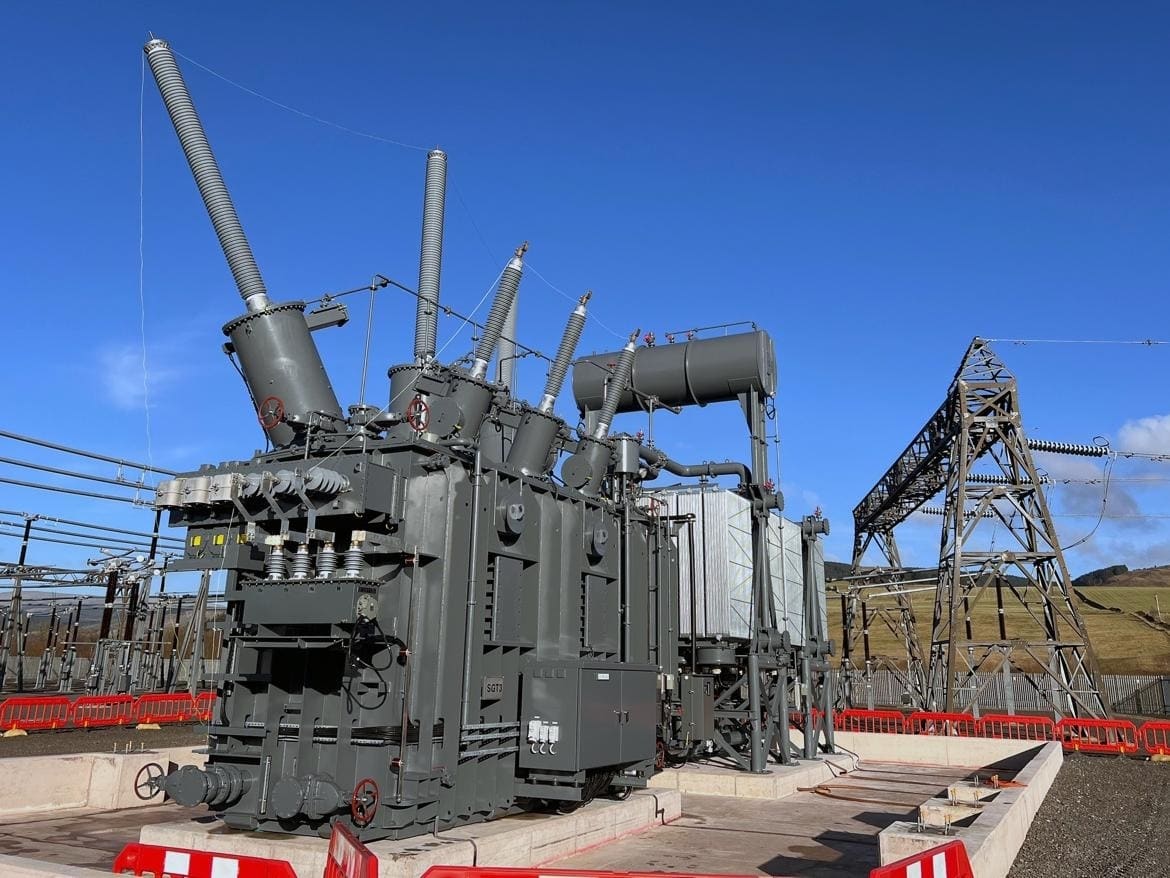
- ·Hyosung Heavy Industries will supply six 500-kilovolt transformers to the Foz do Areia hydropower plant in Parana, Brazil, through a contract with Andritz Hydro.
- ·The companies agreed to jointly develop grid-stabilization technology addressing voltage and frequency challenges as Brazil integrates more intermittent renewable generation.
- ·The deal reflects a broader strategy by Korean manufacturers to enter Latin American infrastructure markets through technical partnerships rather than direct competition with European incumbents.
Korean Transformer Maker Expands South American Footprint
Hyosung Heavy Industries announced Wednesday it has secured a contract to deliver six 500-kilovolt transformers to the Foz do Areia hydropower plant in Parana, Brazil, according to the company. The equipment will be supplied through Andritz Hydro, a global hydropower equipment and services provider that holds more than a quarter of Brazil's hydropower market.
The deal marks another step in South Korean industrial firms' push into Latin American energy infrastructure, a region where aging grid assets and expanding renewable capacity have created persistent demand for high-voltage equipment. Brazil, which derives more than 60 percent of its electricity from hydropower, has been upgrading transmission networks to handle variable renewable generation and long-distance power flows from remote river basins to coastal demand centers.
Ultra-high-voltage transformers are critical nodes in modern grids, stepping electricity up to transmission voltages that minimize losses over hundreds of kilometers. The 500-kilovolt units Hyosung will deliver sit at the upper end of commercial voltage classes, typically deployed where large generation blocks feed into national backbones.
Joint Development on Grid Stabilization
Alongside the transformer order, Hyosung and Andritz Hydro agreed to collaborate on grid-stabilization technology development. The partnership will focus on systems that smooth voltage and frequency fluctuations, a growing challenge as grids incorporate more intermittent wind and solar generation alongside dispatchable hydro.
Grid stabilization has become a technical and commercial battleground. Utilities across Asia and Latin America are retrofitting older plants with dynamic reactive power compensation and synchronous condenser systems, while newer projects increasingly spec these capabilities from the start. For equipment makers, co-development agreements offer a faster route to market than in-house R&D, particularly when integrating power electronics with legacy electromechanical infrastructure.
Andritz Hydro's footprint in Brazil gives Hyosung a testing ground for technology that could later be deployed across Southeast Asia, where similar grid integration challenges are emerging. Vietnam, Indonesia, and the Philippines are all adding gigawatts of renewable capacity to hydro-heavy grids, creating demand for the same voltage-regulation and inertia-support systems Brazil is installing today.
Market Context and Competitive Landscape
The Brazilian transformer market has drawn interest from manufacturers in China, Europe, and Korea as state utility Eletrobras and private concessionaires upgrade aging substations. Hyosung competes with domestic Brazilian producers and international players including Siemens Energy, Hitachi Energy, and China's TBEA, each vying for long-term service contracts that often prove more lucrative than the initial equipment sale.
Hyosung Heavy Industries, part of the Hyosung Group conglomerate, has positioned itself as a supplier of choice for projects requiring fast delivery and technical customization. The company operates transformer factories in Korea and has been expanding aftermarket service networks in target export regions.
For Andritz Hydro, the partnership diversifies its supply chain at a time when single-source dependencies have proven costly. The Austrian-headquartered firm has been working to regionalize procurement, particularly for components with long lead times, to insulate projects from logistics disruptions.
What This Signals for Asian Manufacturers
The deal underscores a broader pattern in which Korean and Japanese heavy industry players are leveraging technical partnerships to enter markets where European incumbents have historically dominated. Rather than compete on price alone, Asian manufacturers are offering joint development arrangements that give customers a stake in next-generation technology.
This model has proven effective in markets where utilities face budget constraints but are willing to share technical risk in exchange for lower upfront costs and co-ownership of intellectual property. Brazil's regulatory environment, which encourages local content and technology transfer, makes it a natural fit for such arrangements.
Grid infrastructure, unlike consumer electronics or even automotive, moves slowly. A transformer installed today may run for four decades, and utilities select suppliers based on long-term service capability as much as initial performance specs. Hyosung's entry into Brazil through Andritz Hydro, rather than direct bidding, reflects an understanding that market access in this sector is earned through alliances, not one-off sales.
The Foz do Areia project is expected to begin receiving equipment deliveries in the second half of next year, with commissioning scheduled for early 2028. Financial terms of the transformer order and the scope of the joint development agreement were not disclosed.
RELATED STORIES
SK Chemicals Targets Europe's Can-Coating Shift After BPA Ban
Cheng Wei-Lun · 2 min
South Korea's Export Surge Powers Economic Upturn Through Third Quarter
Jun-ho Seo · 4 min
South Korea Targets $40,000 Per Capita Income as GDP Growth Accelerates
Jun-ho Seo · 4 min
South Korea Breaks Full-Year Export Record in September
Tran Quoc Bao · 3 min
Spot something wrong? Email editor@briefasia.com. We log every correction publicly.