Finance · Deals
Hua Hong Turns Profit as Pricing Power Returns to China's Chip Foundries
Grace Semiconductor posted its first operating profit in five quarters as June revenue hit $717.5 million and gross margin climbed to 16.5%, signaling pricing discipline is finally paying off for mature-node fabs.
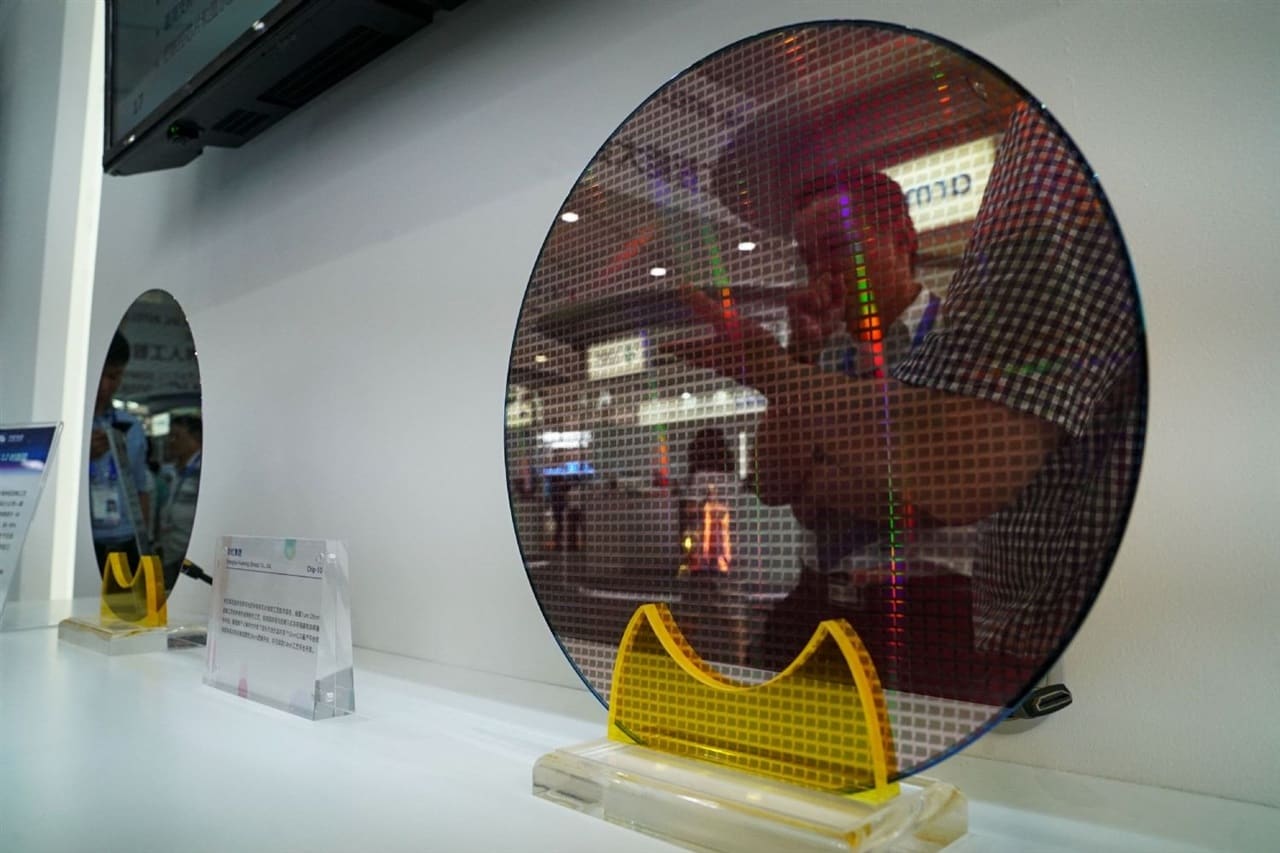
KEY TAKEAWAYS
- ·Hua Hong Grace Semiconductor reported record revenue of $717.5 million in June 2026, up 26.8% year-on-year, with gross margin reaching 16.5%.
- ·The quarter marked the first operating profit in five quarters, ending a stretch where full fab utilization failed to cover operating costs.
- ·Pricing discipline in mature-node foundry capacity, driven by tighter supply and a shift toward higher-value processes, enabled the turnaround.
Utilization Alone Wasn't Enough
Hua Hong Grace Semiconductor has spent more than a year running its fabrication plants at maximum capacity. Tools stayed busy, wafers flowed through the lines, and output climbed steadily. Yet the company couldn't turn that activity into an operating profit. The issue was never demand. It was price.
That calculus shifted in the quarter ended June 2026. The Shanghai-based foundry posted revenue of $717.5 million, a record for the firm and 26.8% higher than the same period in 2025. Sequential growth from the March quarter came in at 8.6%. More critically, gross margin expanded to 16.5%, up from 10.9% a year earlier. For the first time in five quarters, that margin was wide enough to cover operating expenses and deliver a profit at the operating line.
The Margin Story
Gross margin is the difference between what a foundry collects for each wafer and what it costs to produce that wafer, expressed as a percentage of revenue. A 16.5% figure means Hua Hong kept roughly 16.5 cents of every dollar in revenue after accounting for direct manufacturing costs. Operating expenses, which include research and development, sales, and general administration, then consume part of that gross profit. If gross margin is too thin, those fixed costs push the operating result into the red, even when fabs are full.
Hua Hong's June quarter marked the inflection point. The company had been operating at high utilization rates since early 2025, filling capacity with orders for power management ICs, microcontrollers, and analog chips built on mature nodes. But pricing pressure kept gross margin in the low teens or below, insufficient to absorb operating overhead. The 560-basis-point year-on-year improvement in gross margin changed that equation.
What Changed
Two factors converged. First, the supply-demand balance in mature-node foundry capacity tightened further. Chinese fabless companies, automotive suppliers, and industrial customers continued to place orders, and alternative capacity in Taiwan and elsewhere remained constrained by export control rules and allocation priorities. That gave Hua Hong and peers modest pricing leverage.
Second, the company appears to have shifted its customer and product mix toward higher-value processes. Not all 8-inch wafers generate the same revenue or margin. Specialty processes for power semiconductors, embedded non-volatile memory, and RF components command better pricing than commodity logic. A deliberate tilt toward those segments would lift average selling price per wafer and improve gross margin without requiring additional capex or a step change in utilization.
Context in China's Foundry Landscape
Hua Hong operates in a segment of the semiconductor market that has drawn less attention than leading-edge logic but remains critical to electronics supply chains. The firm's Shanghai fabs produce chips on nodes ranging from 55 nanometers to older geometries, serving applications that prioritize cost and reliability over transistor density. These are the chips that manage battery charging, convert voltage in power supplies, and handle sensor interfaces in cars and appliances.
China's foundry sector has been under pressure from multiple directions. U.S. export controls limit access to advanced lithography tools and restrict shipments of chips made on cutting-edge processes. That pushed more domestic demand toward mature nodes, where Chinese fabs can still compete. At the same time, global semiconductor cycles and inventory corrections compressed pricing. The result was a period of high utilization but weak profitability, a pattern Hua Hong has now broken.
What Comes Next
The June quarter result raises the question of sustainability. Can Hua Hong hold pricing at levels that deliver consistent operating profit, or was the second quarter an anomaly driven by temporary tightness in mature-node capacity? The answer will depend on several variables: the trajectory of Chinese semiconductor demand, the pace at which new 8-inch and 12-inch capacity comes online in China and Southeast Asia, and the stability of export control regimes that shape where global customers can place orders.
For now, the data point is clear. Running fabs at full capacity is necessary but not sufficient for profitability in the foundry business. Pricing power matters just as much as utilization. Hua Hong's June quarter demonstrates that when both factors align, even a mature-node foundry in a competitive and constrained market can turn a profit.
RELATED STORIES
Lenovo Posts 43% Revenue Jump as Memory Costs Reshape PC Market
Cheng Wei-Lun · 3 min
SMIC Captures Pricing Power as Mature-Node Demand Surges
Cheng Wei-Lun · 3 min
CXMT Reports 90% Yield on DDR5 Production as Chinese Chipmaker Eyes PC Market
Cheng Wei-Lun · 4 min

Tencent's AI Spending Push Sends Free Cash Flow Negative
Cheng Wei-Lun · 2 min
Spot something wrong? Email editor@briefasia.com. We log every correction publicly.