Real Estate · Hotels
Hotel Properties Slides to S$39 Million First-Half Loss as Costs Climb
Singapore hotelier's earnings swing from S$11.4 million profit to loss, dragged by absent one-time gains and rising finance expenses
KEY TAKEAWAYS
- ·Hotel Properties Limited reported a net loss of S$39.1 million for the first half of 2026, reversing from an S$11.4 million profit a year earlier, as Middle East conflict curbed travel and costs surged.
- ·Finance costs rose 6.4 percent to S$54.3 million due to higher borrowings, while the absence of S$27.3 million in fair-value gains from Concorde Shopping Mall and a London dispute settlement magnified the loss.
- ·The company expects hotel operations to remain under pressure from elevated utilities, labor and financing costs, with geopolitical uncertainties delaying anticipated interest-rate relief across Asia.
Red Ink Replaces Profit
Hotel Properties Limited swung to a net loss of S$39.1 million in the six months ended June 30, 2026, a sharp reversal from the S$11.4 million profit the Singapore-listed hotelier recorded in the same period a year earlier. The loss per share reached S$0.0819, compared with earnings of S$0.0134 per share in the first half of fiscal 2025.
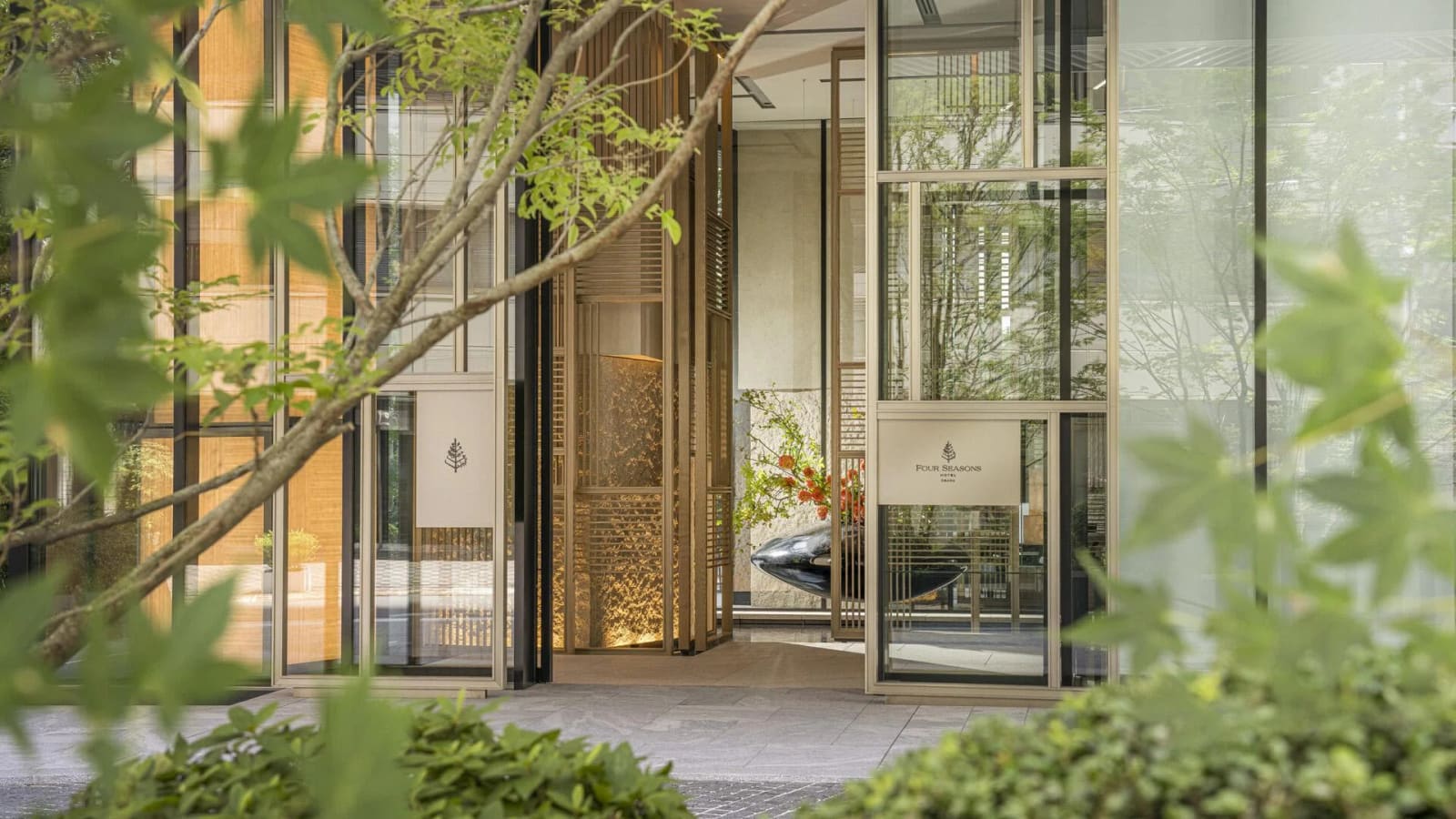
Revenue slipped to S$371.1 million from S$378.4 million, a decline of 1.9 percent. Gross profit fell harder, dropping 11.4 percent to S$75.4 million from S$85.2 million previously. The company, which operates luxury hotels including the Four Seasons Osaka and holds real estate assets across Singapore and London, had issued a profit warning on July 31 flagging the impact of geopolitical disruption.
Geopolitical Headwinds and Rising Fuel Bills
HPL attributed the downturn to conflict in the Middle East, which disrupted air routes and pushed airfares higher, dampening travel demand across key source markets. The company noted that operating costs escalated as fuel prices climbed, driving up utilities, transportation and related expenses. For a hotel operator with properties spanning Japan, Singapore and other Asian markets, higher energy bills translate directly into squeezed margins.
Finance costs rose 6.4 percent to S$54.3 million from S$51 million a year earlier, reflecting increased borrowings. Administrative expenses also climbed, reaching S$47.6 million compared with S$44.8 million in the prior-year period. The combination of higher debt servicing and fixed overheads left less room to absorb the revenue shortfall.
Absence of One-Time Gains
A significant factor behind the earnings swing was the absence of non-recurring items that had bolstered the prior year's results. In the first half of fiscal 2025, HPL recorded a fair-value gain of S$27.3 million on retail units at Concorde Shopping Mall in Singapore. The company also booked a one-off gain from a dispute settlement related to Paddington Square, its mixed-use development in London. Together, these items provided a substantial cushion that did not repeat in 2026.
Without those gains, the underlying performance of hotel operations and property assets became more visible. The retail and commercial segments, while stable, did not generate enough upside to offset the weakness in hospitality. HPL's portfolio includes the Concorde Hotel Singapore, Hard Rock Hotel Singapore, and interests in hotels across Southeast Asia and the United Kingdom, making it exposed to both regional travel flows and global interest-rate cycles.
Asia Hotel Sector Under Pressure
HPL's results reflect broader challenges facing hotel operators across Asia. While leisure travel rebounded strongly in 2024 and early 2025, the momentum slowed in the first half of 2026 as airfare inflation and geopolitical uncertainty weighed on outbound travel from China and other major markets. Business travel, particularly for conferences and corporate events, has also remained below pre-pandemic levels in several cities.
Singapore's hotel sector, where HPL holds a significant footprint, saw occupancy rates stabilize but average daily rates come under pressure as new supply entered the market. The city-state added more than 3,000 hotel rooms in 2025, intensifying competition for both leisure and business segments. Regional hubs such as Bangkok and Kuala Lumpur have experienced similar dynamics, with operators increasingly reliant on promotional pricing to maintain occupancy.
Japan, where HPL owns the Four Seasons Osaka, has been a relative bright spot, buoyed by the weak yen and strong inbound tourism from Southeast Asia and North America. However, operating costs in Japan have also risen, driven by wage increases and higher import prices for food and energy. The combination has limited margin expansion even as top-line revenue grew modestly.
Elevated Financing Costs Linger
Interest-rate environments across Asia remain elevated, with central banks in Singapore, Malaysia and other markets holding rates steady or cutting more slowly than anticipated. HPL's finance costs reflect this reality, rising despite expectations earlier in the year that rate relief would arrive by mid-2026. The company's borrowings, used to finance property development and hotel acquisitions, now carry higher servicing costs that eat into operating cash flow.
Geopolitical uncertainties, including tensions in the Taiwan Strait and ongoing conflicts in the Middle East, have kept inflationary pressures alive, delaying the anticipated easing cycle. HPL noted that this environment may persist, pressuring hotel operations further as procurement, labor and financing expenses remain elevated.
Outlook Remains Cautious
HPL expects hotel operations to stay under pressure from elevated operating costs across utilities, labor, procurement and financing. The company flagged that geopolitical uncertainties could delay the anticipated easing of interest rates, extending the period of margin compression. While the second half of the year typically sees stronger travel demand, particularly around year-end holidays, the company has not provided specific guidance on when it expects a return to profitability.
The counter traded flat at S$4.70 ahead of the results release, suggesting investors had largely priced in the loss following the July profit warning. With a market capitalization of approximately S$2.2 billion, HPL remains one of Singapore's larger hotel and property groups, but its valuation has lagged peers with more diversified revenue streams or lower debt burdens.
For Asia's hotel sector, the first half of 2026 has served as a reminder that post-pandemic recovery is not linear. Operators with high fixed costs, significant debt and exposure to volatile travel corridors face a challenging environment. HPL's experience underscores the importance of operational flexibility and balance-sheet resilience in navigating a period marked by geopolitical shocks, persistent inflation and uneven demand recovery across markets.
RELATED STORIES
Sentosa Cove Resales Record S$1.28 Million Average Loss as Foreign Buyer Curbs Bite
Priyanka V. Rao · 5 min

Property Buyers Face Hidden Legal Traps After Signing Agreements
Lim Hui Ying · 4 min
Olam Group Shares Slide 8.5% as Core Operations Profit Falls 66%
Priyanka V. Rao · 3 min

Genting Singapore Profit Drops 33% as Casino Revenue Declines
Priyanka V. Rao · 2 min
Spot something wrong? Email editor@briefasia.com. We log every correction publicly.