Finance · Deals
Olam Group Shares Slide 8.5% as Core Operations Profit Falls 66%
Singapore-based trader reports continuing operations profit dropped to S$55.6 million in first half, despite divestment gains pushing headline earnings to S$1.9 billion
KEY TAKEAWAYS
- ·Olam Group shares fell 8.5 percent to S$1.19 after reporting continuing operations profit dropped 66 percent to S$55.6 million in the first half of 2026.
- ·Headline net profit reached S$1.9 billion, driven almost entirely by S$1.8 billion in one-time gains from divesting stakes in Olam Agri and Mindsprint.
- ·Revenue declined 18.3 percent to S$12.5 billion as lower cocoa and coffee prices combined with reduced trading volumes across the remaining business portfolio.
Market Reaction to Mixed Results
Olam Group shares opened Friday trading down 8.5 percent, touching an intra-day low of S$1.19 by 9:10 am as investors digested the Singapore commodity trader's first-half performance. The S$0.11 decline came despite headline net profit figures that appeared strong on the surface.
The company reported net profit of S$1.9 billion for the six months ended June 30, nearly six times the S$323.8 million recorded in the same period a year earlier. That surge stemmed almost entirely from one-time gains totaling approximately S$1.8 billion linked to the divestment of its 44.58 percent stake in agribusiness unit Olam Agri and the complete sale of IT and digital services subsidiary Mindsprint. Olam Group also recognized an accounting gain from revaluing its remaining Olam Agri holdings.
Core Business Performance Weakens
Beneath the divestment windfall, the operational picture looked considerably weaker. Net profit from continuing operations, covering the remaining Olam Group businesses and food ingredients arm ofi, fell 66 percent to S$55.6 million from S$163.7 million a year earlier.
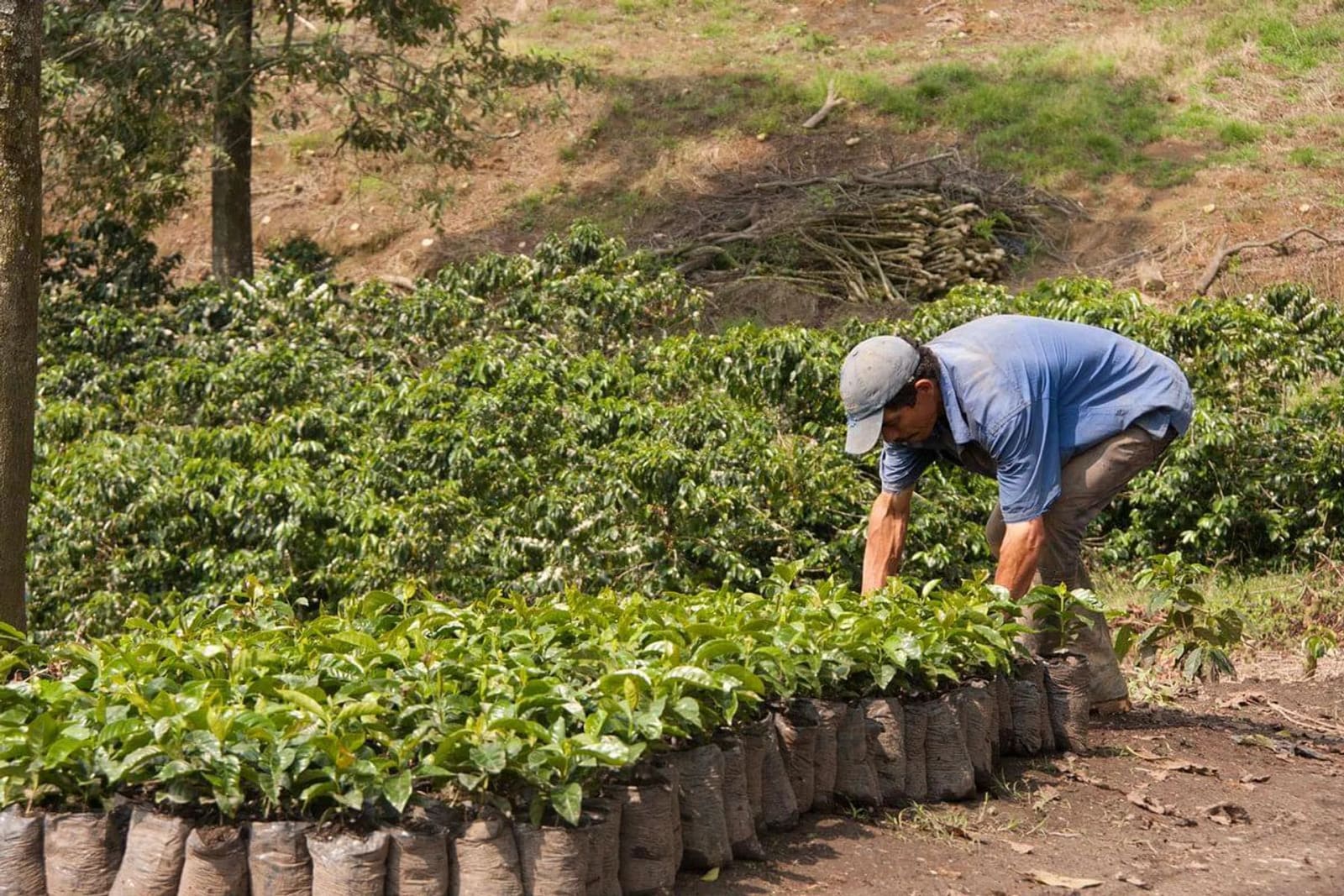
Revenue declined 18.3 percent to S$12.5 billion, down from S$15.3 billion in the corresponding period last year. Olam Group attributed the drop primarily to sharp declines in input prices for key commodities including cocoa and coffee at ofi, combined with lower trading volumes across the remaining Olam Group portfolio.
The commodity price environment has proven challenging for traders navigating volatile agricultural markets. Cocoa and coffee, two of ofi's core product categories, have experienced significant price swings over the past year as weather patterns and supply chain dynamics shifted.
Strategic Restructuring Continues
The divestments mark the latest phase in Olam Group's ongoing portfolio restructuring. The company has been reshaping itself following its 2022 reorganization, which split operations into distinct business units with separate growth trajectories and capital structures.
The sale of the Olam Agri stake represented a significant step in that transformation, allowing the parent company to crystallize value while maintaining exposure to the agricultural trading business through its remaining shareholding. The Mindsprint disposal, meanwhile, reflected a decision to exit non-core technology services that sat outside Olam's primary commodity and ingredients focus.
Olam Group declared a dividend of S$0.07 per share for the period, returning some of the divestment proceeds to shareholders even as the underlying business faced headwinds.
Asia Commodity Trading Under Pressure
The weaker operational performance reflects broader pressures facing Singapore's commodity trading sector. Asia-based trading houses have contended with compressed margins as commodity price volatility increased costs and reduced predictability in supply chains stretching from producing regions across Africa, Asia, and Latin America to end markets in China, India, and Southeast Asia.
Lower volumes at Olam Group suggest demand softness in key markets or competitive pressures that limited the company's ability to maintain throughput even as prices declined. For a trader, volume is critical to generating fee income and maintaining economies of scale across logistics and processing infrastructure.
The food ingredients business ofi, which focuses on cocoa, coffee, dairy, and nuts, faces its own set of challenges. While ofi operates further up the value chain than traditional commodity trading, providing processing and ingredient solutions to food manufacturers, it remains exposed to raw material price swings and demand fluctuations from major consumer goods companies.
Investor Concerns Mount
The 8.5 percent share price decline indicates that investors looked past the one-time divestment gains to focus on the deteriorating performance of continuing operations. The 66 percent profit drop and nearly 20 percent revenue decline signal operational challenges that the company will need to address in coming quarters.
Market participants are likely weighing whether the weak first-half performance reflects temporary headwinds tied to commodity price cycles and specific market conditions, or points to more structural issues in Olam's competitive position and business model.
The company's ability to stabilize revenue and rebuild profitability in its core continuing operations will be crucial to restoring investor confidence. With divestment gains now realized, future performance will depend entirely on operational execution across the remaining portfolio.
RELATED STORIES
Wilmar Posts 2.3% Profit Rise Despite Commodity Market Turbulence
Priyanka V. Rao · 2 min

Genting Singapore Profit Drops 33% as Casino Revenue Declines
Priyanka V. Rao · 2 min

Centurion Corp Stock Slides 5.9% After First-Half Profit Falls 64%
Priyanka V. Rao · 2 min

Genting Singapore Stock Climbs Despite 33.5% Profit Decline
Priyanka V. Rao · 3 min
Spot something wrong? Email editor@briefasia.com. We log every correction publicly.