Real Estate · Homes
Hong Kong Property Prices Face Headwinds After Seven-Year High
Capital controls and equity market weakness threaten to dampen the city's housing recovery despite a strong first-half surge
KEY TAKEAWAYS
- ·Hong Kong private home prices rose 0.3 per cent in June, completing the strongest first-half performance in seven years.
- ·Beijing's new capital controls and weaker equity-market sentiment are expected to curb further price gains in the second half of 2026.
- ·Analysts predict a consolidation phase ahead, with luxury segments most vulnerable to reduced mainland buyer demand.
Rally Loses Steam
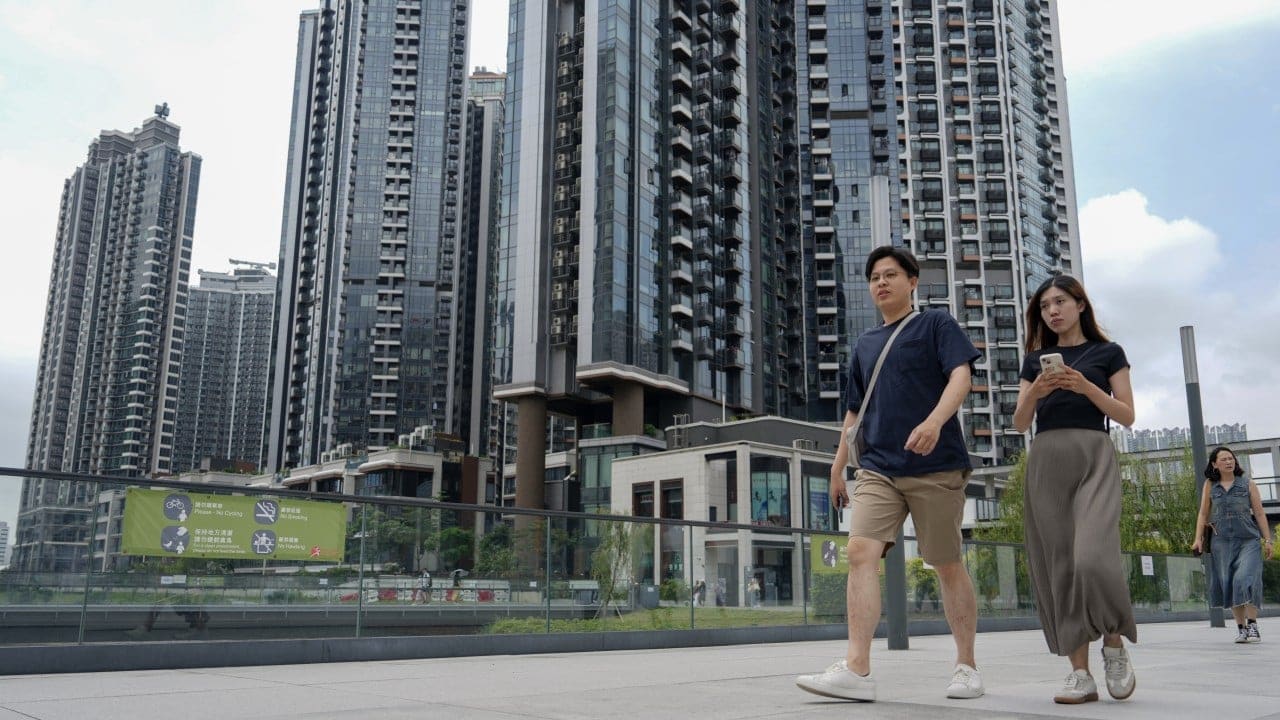
Hong Kong's residential property market climbed through the first six months of 2026 at a pace not seen since 2019, but the momentum now faces significant headwinds. Private home prices in the city edged up 0.3 per cent in June compared to the previous month, capping a first-half rally that marked the strongest performance for the period in seven years.
The recent gains follow a prolonged downturn that began in late 2021, when rising interest rates and economic uncertainty pushed prices down by more than 15 per cent from their peak. Pent-up demand, stabilizing mortgage rates, and renewed confidence among mainland Chinese buyers fueled the recovery through the first half of this year.
Yet analysts now expect the rally to moderate. Two factors are converging to limit further upside: weaker sentiment in Hong Kong's equity markets and fresh capital-flow restrictions introduced by Beijing. Both developments reduce the pool of liquidity available for property purchases, particularly among high-net-worth mainland buyers who have historically driven demand for premium residential assets in the city.
Capital Controls Tighten
Beijing's new measures target cross-border fund movements, tightening oversight on outbound transfers and scrutinizing large transactions more closely. The controls, rolled out in recent weeks, aim to stabilize the yuan and curb capital outflows amid persistent pressure on China's currency. For Hong Kong's property market, the impact is direct: mainland buyers, who account for a significant share of luxury home transactions, face higher hurdles in moving funds across the border.
The timing is particularly challenging. Hong Kong's property sector had been relying on sustained demand from mainland purchasers to underpin price growth. With capital controls now in place, transaction volumes in the upper-tier segments are expected to soften, and price appreciation will likely slow accordingly.
The measures also come as mainland China's own property sector remains under stress. Developers continue to grapple with debt restructuring, and confidence among domestic buyers has yet to fully recover. This backdrop makes it less likely that mainland investors will aggressively pursue offshore real-estate opportunities, even in a market as liquid and transparent as Hong Kong.
Equity Market Weakness
Hong Kong's stock market has delivered lackluster returns in recent months, dampening wealth effects that typically support property demand. The Hang Seng Index has traded in a narrow range, weighed down by concerns over China's economic growth trajectory and geopolitical tensions. When equity portfolios stagnate, high-net-worth individuals tend to pull back on discretionary purchases, including property.
The correlation between stock-market performance and residential property prices in Hong Kong is well established. During periods of equity strength, buyers feel wealthier and more willing to leverage portfolios for property acquisitions. Conversely, when markets falter, transaction activity slows and price growth moderates. The current environment tilts toward the latter.
Financial advisors in the city report that clients are adopting a more cautious stance, preferring to hold cash or liquid assets rather than commit to large property purchases. This shift in sentiment is evident in transaction data: while the first half saw robust activity, preliminary figures for July suggest a cooling in both volume and pricing momentum.
Outlook for the Second Half
Most analysts expect Hong Kong's residential property market to enter a consolidation phase through the remainder of 2026. Price growth will likely remain positive but muted, with gains concentrated in the mass-market segments where affordability remains relatively stronger. Luxury properties, by contrast, may see flat or slightly negative price movement as mainland demand softens.
Mortgage rates remain supportive, with the Hong Kong Monetary Authority holding its base rate steady in line with the U.S. Federal Reserve. This provides a floor under the market, preventing a sharp reversal in prices. However, the rate environment alone is unlikely to drive further gains in the absence of stronger buyer sentiment and capital inflows.
Developers are adjusting their strategies accordingly. Several major firms have slowed the pace of new project launches and are offering incentives such as deferred payment plans and furniture packages to attract buyers. These measures reflect a recognition that the market has shifted from a seller's environment to one where buyers hold more negotiating power.
The broader question is whether Hong Kong can sustain its property market recovery without robust support from mainland capital. The city's appeal as a financial hub and gateway to China remains intact, but near-term dynamics suggest a more challenging path ahead. Investors and homebuyers alike will be watching closely for any shifts in Beijing's capital-control stance or improvement in regional equity markets, both of which could reignite momentum in the second half of the year.
RELATED STORIES

Hong Kong Housing Market Tests Durability as Flipper Activity Drops
Cheng Wei-Lun · 3 min
Hong Kong Property Prices Forecast to Climb 15% as Buyers Return
Tran Quoc Bao · 3 min
Hong Kong's Distressed Property Sales May Ease as Market Stabilizes
Priyanka V. Rao · 3 min
Hong Kong Awards First Northern Metropolis Land to Mainland-Local Consortium
Cheng Wei-Lun · 3 min
Spot something wrong? Email editor@briefasia.com. We log every correction publicly.