Real Estate · Land
Hong Kong Urged to Slow Land Sales as Northern Metropolis Tender Approaches
Analysts warn that measured approach to government land auctions will be critical to sustaining fragile residential property rebound
KEY TAKEAWAYS
- ·Hong Kong set a Friday tender deadline for land parcels in the Hung Shui Kiu area as part of the Northern Metropolis development project.
- ·Analysts warn that excessive government land releases could undermine the residential property market's recent stabilization and modest price recovery.
- ·Developer response to the tender will signal market confidence and inform future government decisions on land supply timing.
Balancing Development and Market Stability
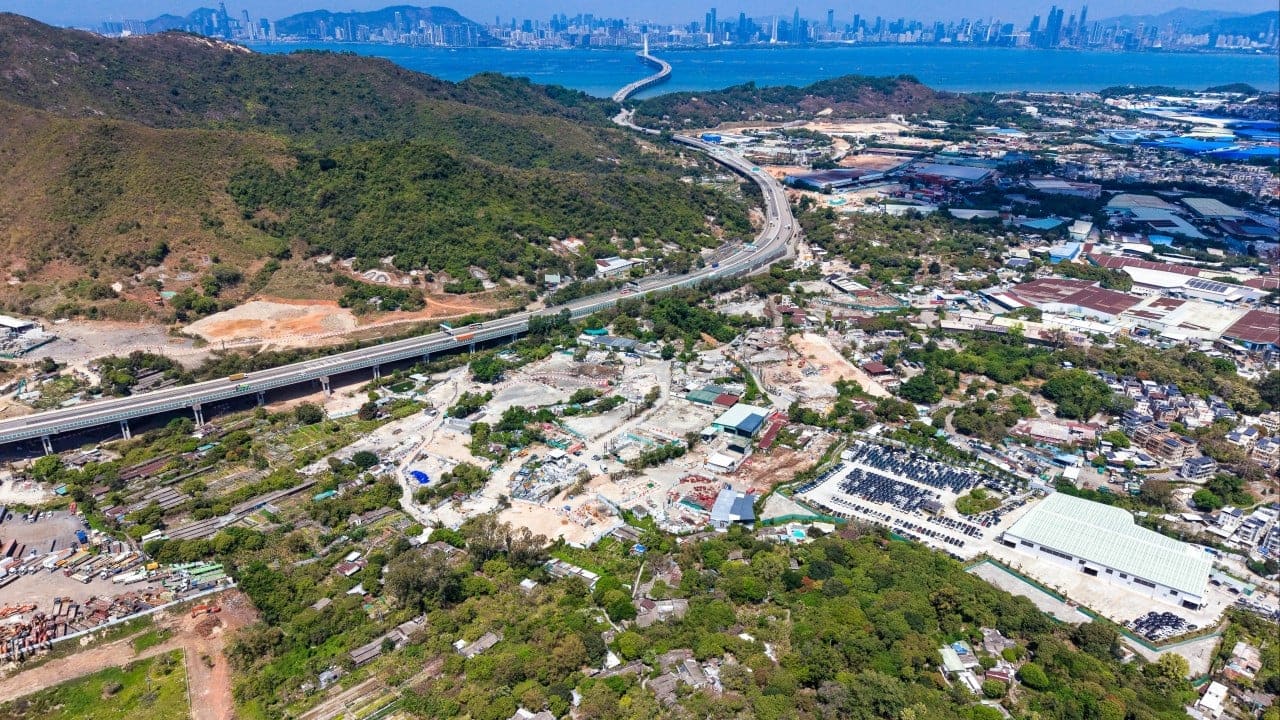
Hong Kong faces a delicate balancing act as it pushes forward with one of Asia's most ambitious urban expansion projects while trying to nurse a fragile property market back to health. The government's Northern Metropolis initiative, a sprawling development zone near the mainland border, represents a long-term vision for the city's spatial future. But the immediate challenge is ensuring that the pace of land supply does not overwhelm a residential market only now showing signs of stabilization.
The tension between these two imperatives came into sharper focus this week as the government set a Friday midday deadline for tender submissions on several parcels in the Hung Shui Kiu/Ha Tsuen New Development Area, a key piece of the Northern Metropolis puzzle. Market watchers are paying close attention not just to the outcome of this particular tender, but to what it signals about the government's broader strategy for land release timing.
The Case for Caution
Analysts tracking Hong Kong's property sector have begun to argue publicly for a more measured approach to land auctions. Their concern centers on supply dynamics: flooding the market with new residential development opportunities at a time when buyer confidence remains tentative could undercut the pricing stability that has emerged in recent months.
The residential property market in Hong Kong has experienced a modest rebound after a prolonged downturn driven by rising interest rates, economic uncertainty, and shifting sentiment toward the city as a financial hub. Transaction volumes have picked up, and price declines have moderated. But the recovery remains shallow, and developers are still working through existing land banks and unsold inventory from previous years.
Introducing large volumes of new development land into this environment could create a supply overhang that pressures prices downward again. For developers, the calculus is straightforward: bidding aggressively on new land parcels makes sense only if they can expect reasonable absorption rates and stable pricing when projects come to market three to five years down the line. If the government releases too much land too quickly, that equation falls apart.
Northern Metropolis Momentum
The Northern Metropolis project itself remains on track. Conceived as a counterbalance to the traditional commercial core on Hong Kong Island and in Kowloon, the development zone is intended to create new residential capacity, commercial clusters, and innovation hubs across a vast area in the New Territories. The Hung Shui Kiu/Ha Tsuen zone is among the first areas to see concrete progress, with infrastructure work underway and land parcels now moving to tender.
The government has framed the project as essential to addressing Hong Kong's chronic housing shortage and providing space for economic diversification, particularly in technology and innovation sectors. The scale is substantial: the full Northern Metropolis blueprint envisions accommodating hundreds of thousands of new residents and creating employment nodes that reduce the city's reliance on its congested urban core.
But the project's long time horizon means that decisions made now about land release schedules will reverberate for years. Analysts suggest that the government has room to sequence land tenders more gradually, allowing the market to absorb each wave of new supply before introducing the next.
Market Sentiment and Developer Appetite
The outcome of the Hung Shui Kiu tender will offer clues about developer appetite and market confidence. If bidding is robust and land prices come in above expectations, it would suggest that developers see a clear path to profitability and are willing to commit capital to long-cycle projects. Weak bidding or low land prices, conversely, would indicate lingering caution and could prompt the government to reconsider its release schedule.
Hong Kong's major developers have been selective in recent land auctions, burned by aggressive purchases made at market peaks in previous cycles. Balance sheets are healthier now, but corporate strategy has shifted toward disciplined capital allocation and risk management. Few firms want to repeat the experience of sitting on expensive land during a down market.
The interplay between government land policy and developer behavior will shape the trajectory of Hong Kong's property sector over the next several years. A coordinated, cautious approach could support both the Northern Metropolis vision and near-term market stability. A misalignment between supply and demand, however, risks derailing both objectives.
RELATED STORIES
Hong Kong Awards First Northern Metropolis Land to Mainland-Local Consortium
Cheng Wei-Lun · 3 min

Hong Kong Housing Market Tests Durability as Flipper Activity Drops
Cheng Wei-Lun · 3 min
Hong Kong's Distressed Property Sales May Ease as Market Stabilizes
Priyanka V. Rao · 3 min
Four Bids Land for Major Hong Kong Rail Transit Development Site
Lim Hui Ying · 3 min
Spot something wrong? Email editor@briefasia.com. We log every correction publicly.