Real Estate · Homes
Hong Kong Investors Deploy $2.2 Billion Into Multi-Unit Apartment Deals
Record purchases in the first half signal sustained appetite for rental assets as mainland demand pushes occupancy rates higher across the city.

KEY TAKEAWAYS
- ·654 investors acquired 1,794 new apartments in Hong Kong for HKD17.4 billion in the first half, more than doubling year-earlier totals across buyers, units, and transaction value.
- ·Multiple-unit purchases now represent 14 percent of primary-home sales, driven by rental demand from mainland Chinese students and imported workers pushing the rental index to a record in June.
- ·Three projects near universities and transit hubs captured three-quarters of June bulk deals, with Centaline expecting activity to accelerate in the third quarter as developers launch fresh inventory.
Capital Shifts Into Rental Play
Hong Kong's residential investment landscape hit a new benchmark in the first six months of this year. Data from Centaline Property shows 654 individuals or entities each bought at least two apartments in new developments, together securing 1,794 units for a combined HKD17.4 billion, or roughly $2.2 billion. That figure represents more than twice the volume recorded in the same period a year prior, across every measure: buyer count, unit tally, and aggregate transaction value.
The wave underscores a structural shift. Multiple-unit acquisitions now represent approximately 14 percent of all new-home sales during the period, meaning every seventh apartment leaving a developer's inventory went to someone assembling a portfolio rather than occupying a single residence. The concentration reflects a calculated bet on rental income, particularly as mainland Chinese students and imported professionals continue to tighten supply in submarkets close to universities and transit nodes.
Rental Index Climbs to Fresh High
Hong Kong's rental index posted another record in June, extending a streak driven by inbound demand. Midland Realty reported a 48 percent month-on-month jump in April purchases by mainland buyers, reaching a two-year peak. Analyst Benny Sham at Midland expects the momentum to persist as rising lease rates persuade more Chinese professionals to switch from tenant to owner.
Private home prices in the city rose for a tenth consecutive month through March, according to official figures, supported by improved sentiment and pent-up demand after the government eliminated all residential cooling measures two years ago. The removal of stamp duties and loan-to-value restrictions opened the gate for investors who had been sidelined, and the data suggests they wasted little time.
Three Projects Capture Three-Quarters of June Volume
Location and unit size have emerged as the decisive filters. Sun Hung Kai Properties' Lime Spark in Tsuen Wan led June's bulk transactions with 29 separate deals covering 95 apartments and totaling HKD669 million, according to Centaline Property. Tsuen Wan's transport links and proximity to employment hubs make it a natural magnet for tenants.
Henderson Land Development's Highwood in To Kwa Wan and One Victoria Cove in Hung Hom, both within walking distance of university campuses, recorded 16 and 13 bulk deals respectively. Combined, those three projects absorbed roughly three-quarters of June's multi-unit activity. The pattern reveals a preference for assets that can be leased quickly to a steady stream of students and young professionals.
Most investors stopped at two units, though 65 buyers acquired five or more homes and seven crossed the ten-unit threshold. The largest single commitment in the first half saw one investor purchase 16 flats at Highwood for more than HKD111 million, according to Land Registry records.
Mainland Buyers Form Core Cohort
Louis Chan Wing-kit, Centaline's vice-chairman for Asia-Pacific and president of its residential division, noted that investors have become an increasingly important demand pillar in the primary market since the cooling-measure rollback. He estimates mainland Chinese buyers accounted for 40 to 50 percent of June's bulk purchasers, a share that aligns with broader cross-border capital flows into Hong Kong real estate.
The profile fits a broader regional pattern: wealthy individuals in mainland cities face tighter property regulations at home and view Hong Kong as a stable, liquid alternative with transparent legal infrastructure and no capital-gains tax on residential sales.
Activity Eases in June, Then Prepares to Accelerate
Bulk-buying activity softened in June as developers throttled new project launches. A total of 83 investors purchased 229 flats during the month, down from 153 buyers who acquired 384 units in May. The slowdown was tactical rather than fundamental; fewer projects meant fewer opportunities.
Centaline expects the pace to pick up again in the third quarter as developers bring fresh inventory to market and investor attention returns following the World Cup. The agency added that a rebound in equity markets should further lift buying sentiment, particularly among investors who rotate capital between asset classes.
The first-half record suggests Hong Kong's primary residential market is no longer driven solely by end-users. With rental yields holding firm and financing costs still favorable relative to historical norms, the calculus for multi-unit buyers remains compelling. The question for developers is whether they can match supply to this new class of demand without overshooting submarkets that already show signs of saturation.
RELATED STORIES
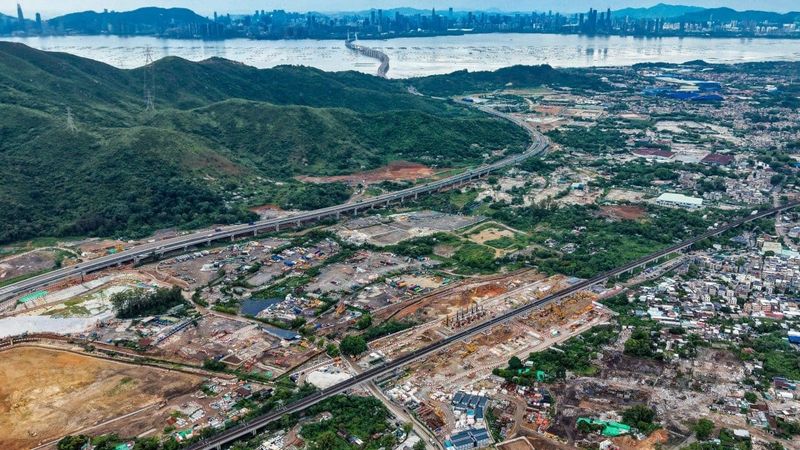
Hong Kong Awards First Northern Metropolis Land to Mainland-Local Consortium
Cheng Wei-Lun · 3 min
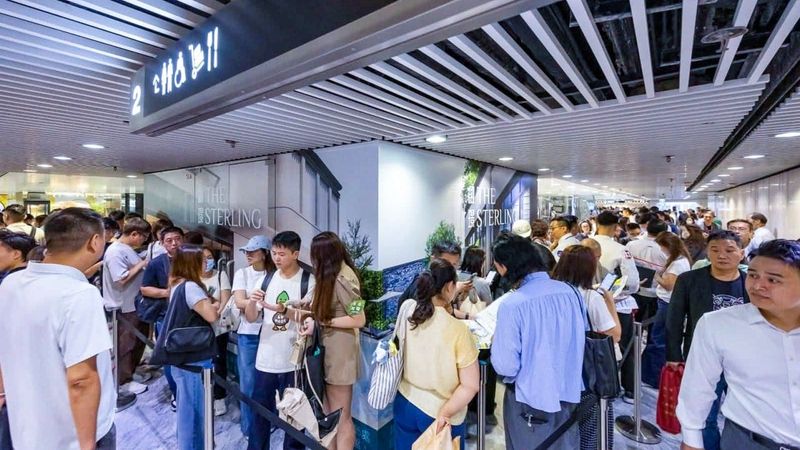
Hong Kong Housing Market Tests Durability as Flipper Activity Drops
Cheng Wei-Lun · 3 min
Hong Kong's Distressed Property Sales May Ease as Market Stabilizes
Priyanka V. Rao · 3 min
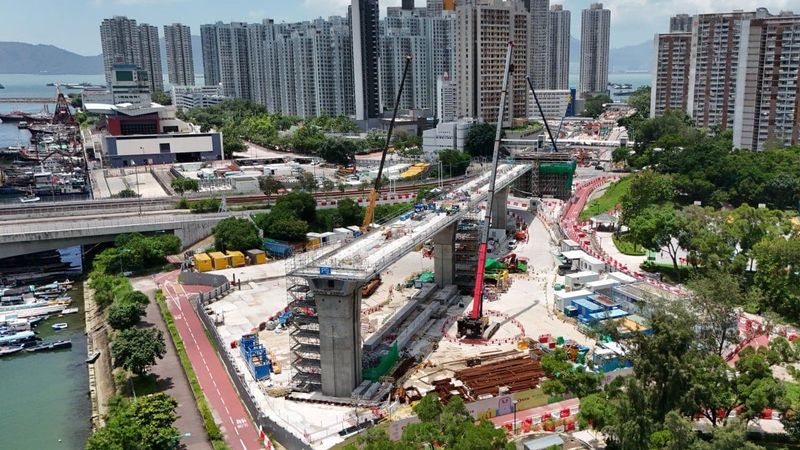
Four Bids Land for Major Hong Kong Rail Transit Development Site
Lim Hui Ying · 3 min
Spot something wrong? Email editor@briefasia.com. We log every correction publicly.