Asia · Trending
Hong Kong Dental Association Cracks Down on Mainland Chains Operating Illegal Clinics
Growing cross-border dental tourism fuels regulatory concerns as unauthorized consultation booths proliferate in busy commercial districts
KEY TAKEAWAYS
- ·Hong Kong health officials are investigating mainland dental chains for operating unlicensed consultation booths in busy districts, potentially violating local licensing laws.
- ·Dental procedures in Shenzhen cost one-third to one-half of Hong Kong prices, driving residents to seek root canals, implants, and cosmetic work across the border.
- ·Regulators are expected to issue clearer guidelines by Q4 on what promotional activities cross-border healthcare providers may conduct without triggering licensing requirements.
Enforcement Actions Target Unlicensed Operations
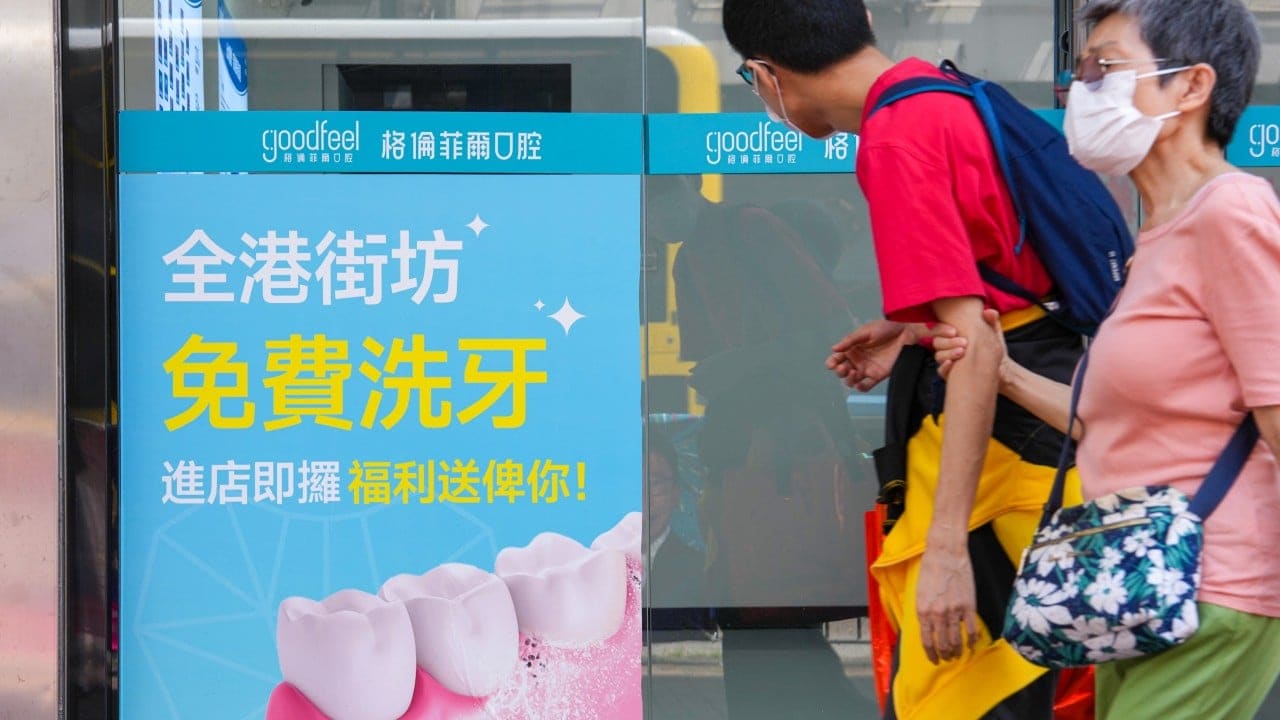
Health officials in Hong Kong have launched enforcement actions against mainland dental chains suspected of operating illegal clinics disguised as consultation outlets. The Hong Kong Dental Association recently completed an investigation revealing that several chains established booths in high-traffic commercial districts, potentially violating local licensing requirements.
The crackdown comes as cross-border medical tourism accelerates, with residents increasingly traveling to Shenzhen and other mainland cities for dental work, cosmetic procedures, and routine health screenings. Price differentials remain substantial: a root canal treatment that costs HK$8,000 to HK$12,000 in Hong Kong can be completed for as little as RMB 2,000 (roughly HK$2,200) at established mainland clinics.
Mainland dental chains have intensified marketing efforts in Hong Kong over the past eighteen months, according to the Dental Association. Promotional tactics include street-level kiosks offering free consultations, aggressive social media advertising targeting expatriate and local communities, and referral incentives that promise discounts for group bookings.
The Gray Zone of Cross-Border Healthcare
The regulatory challenge centers on what constitutes illegal practice. Under Hong Kong law, any diagnosis, treatment planning, or clinical examination must be performed by a dentist registered with the Dental Council of Hong Kong. Promotional booths staffed by non-registered personnel that conduct oral examinations or provide treatment recommendations may breach these rules, even if the actual procedures occur across the border.
Health Department officials declined to specify how many outlets are under investigation or whether prosecutions are pending. The Association's findings, however, identified at least seven locations in Mong Kok, Causeway Bay, and Central where mainland chains maintained a physical presence beyond simple advertising.
Consumer protection advocates note that patients who encounter complications after receiving treatment on the mainland face jurisdictional hurdles. Malpractice claims require navigating two separate legal systems, and follow-up care in Hong Kong can be complicated when local dentists lack access to complete treatment records or must reverse substandard work performed elsewhere.
Economic Pressure Meets Regulatory Risk
Hong Kong's dental care costs have climbed steadily, driven by high commercial rents, malpractice insurance premiums, and labor expenses. A standard cleaning and check-up averages HK$800 to HK$1,200, while cosmetic procedures such as veneers or implants can exceed HK$20,000 per tooth. Mainland cities offer comparable services at one-third to one-half the cost, often in modern facilities with bilingual staff.
The appeal extends beyond dentistry. Foot massage parlors, nail salons, traditional Chinese medicine clinics, and diagnostic imaging centers in Shenzhen report significant upticks in Hong Kong clientele. Weekend cross-border trips combining leisure shopping with medical appointments have become routine for cost-conscious families.
Yet the Dental Association warns that bargain hunting can carry hidden costs. Infection control standards, sterilization protocols, and material quality vary widely across mainland providers. Chains operating in tier-one cities generally adhere to rigorous hygiene practices, but smaller clinics in secondary markets may cut corners to maintain low pricing.
What Regulators Are Watching
Hong Kong authorities face a delicate balancing act. Overly aggressive enforcement risks appearing protectionist, particularly when residents exercise their right to seek care wherever they choose. At the same time, allowing unlicensed entities to operate consultation points within the city undermines local licensing standards and exposes consumers to potential harm.
The Health Bureau is reportedly considering clearer guidelines on what promotional activities mainland providers may conduct in Hong Kong without triggering licensing requirements. Industry observers expect updated rules by the fourth quarter, potentially requiring all cross-border healthcare marketers to register and disclose their mainland credentials, treatment locations, and complaint resolution processes.
For now, the Dental Association advises residents considering mainland dental work to verify that clinics hold valid business licenses, request detailed treatment plans in writing, and confirm that dentists possess recognized qualifications. Patients should also arrange for local follow-up care before undergoing complex procedures, ensuring continuity if complications arise.
The broader trend shows no sign of reversing. As long as price gaps remain wide and cross-border travel stays convenient, Hongkongers will continue voting with their wallets, even as regulators work to ensure that cost savings do not come at the expense of safety or legal compliance.
RELATED STORIES

Hong Kong Debuts Robot-Run Convenience Store in Commercial Automation Push
Cheng Wei-Lun · 3 min

Hong Kong Wealth Hub Resilient Despite Beijing Investment Restrictions
Cheng Wei-Lun · 3 min
Hong Kong Awards First Northern Metropolis Land to Mainland-Local Consortium
Cheng Wei-Lun · 3 min
China's Social Security Fund Doubles Offshore Holdings to $86 Billion
Jun-ho Seo · 3 min
Spot something wrong? Email editor@briefasia.com. We log every correction publicly.