Technology · Policy
H&M Confirms Security Incident Exposed Korean Customer Records
Swedish retailer notifies members after detecting unauthorized system access on August 5, strengthening defenses as investigation continues
KEY TAKEAWAYS
- ·H&M notified Korean customers that personal information was compromised through unauthorized system access detected around August 5, with security measures strengthened immediately.
- ·South Korea's data protection law requires breach notification within 24 hours of discovery, and regulators can impose fines up to 3 percent of annual revenue for violations.
- ·The incident adds to 174 data breaches recorded in South Korea in 2025, with retail accounting for roughly one-quarter of cases as e-commerce infrastructure becomes a prime attack vector.
Breach Detection and Initial Response
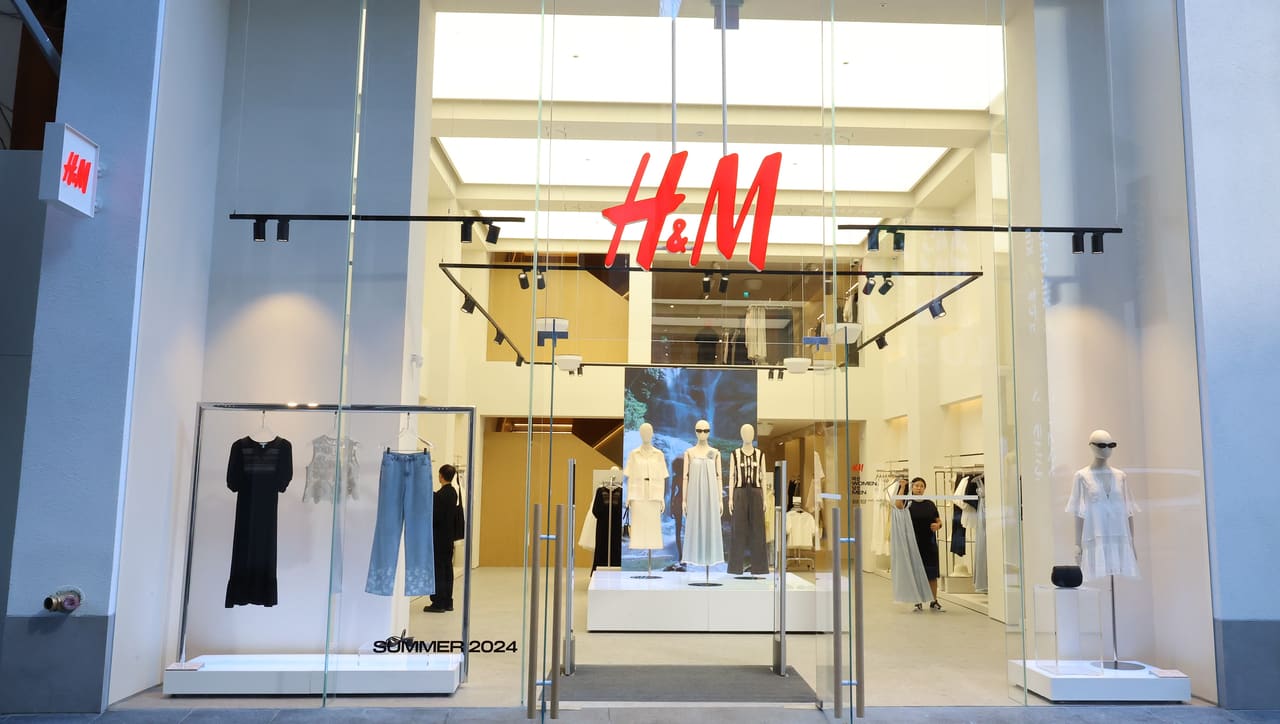
H&M notified its Korean customer base Friday that personal information had been exposed following what the company characterized as unauthorized access to its business infrastructure. The Swedish fashion retailer pinpointed the intrusion to approximately August 5, when attackers penetrated systems handling customer data.
The company's security teams identified the compromise and moved to contain the incident, according to member notifications distributed through H&M's Korean channels. Immediate measures included fortifying system defenses and launching a forensic review to determine the scope of exposed records.
H&M operates 63 stores across South Korea, a market the company entered in 2010. The country represents one of the retailer's key Asian footholds, alongside China and Japan, making the security lapse particularly sensitive for regional operations.
Data at Risk
While H&M confirmed that customer information was accessed, the company has not yet disclosed the specific categories of data involved in the breach. Typical retail databases contain names, email addresses, phone numbers, purchase histories, and in some cases payment card details, though the latter are generally tokenized or handled through third-party processors.
The timing of the disclosure follows a pattern increasingly common in Asia-Pacific markets, where regulatory frameworks around data breach notification have tightened considerably over the past three years. South Korea's Personal Information Protection Act requires entities to notify affected individuals and regulators within 24 hours of discovering a breach that could cause harm.
H&M's public acknowledgment arrived nine days after the suspected intrusion date, suggesting the company spent the intervening period assessing the incident's scope before going public. This lag is consistent with standard breach response protocols, which prioritize containment and evidence preservation before external communication.
Regional Security Landscape
The incident adds H&M to a growing roster of multinational retailers grappling with cyberattacks targeting their Asian operations. E-commerce infrastructure in the region has become a prime vector for credential theft and data harvesting, driven by the concentration of payment information and the complexity of managing security across disparate regional systems.
South Korea recorded 174 data breach incidents across all sectors in 2025, up 23 percent from the prior year, according to the Korea Internet and Security Agency. Retail and hospitality accounted for roughly one-quarter of those cases, reflecting the sector's attractiveness to attackers seeking monetizable consumer data.
For H&M, the breach surfaces questions about the segregation of regional IT infrastructure. Many global retailers run centralized platforms with regional overlays, creating scenarios where a breach in one geography can expose vulnerabilities elsewhere. Whether the attack was limited to Korean systems or represented a broader compromise remains unclear.
Regulatory and Reputational Stakes
South Korea's Personal Information Protection Commission can levy fines up to 3 percent of annual revenue for violations of data protection standards. More immediately, the commission will likely scrutinize H&M's response timeline, security posture, and the adequacy of safeguards in place at the time of the breach.
Beyond regulatory penalties, the incident carries reputational risk in a market where consumer trust in foreign brands is hard-won. South Korean shoppers have demonstrated low tolerance for data mishandling, with past breaches at domestic and international retailers triggering boycotts and prolonged sales declines.
H&M's Korean business has faced headwinds in recent years, including a 2021 controversy over cotton sourcing statements that led to store closures and a temporary suspension of online sales. The company has worked to rebuild its standing, making the data breach an unwelcome complication in that effort.
Forensic Path Forward
H&M stated that its investigation is ongoing, a standard position for companies still piecing together attack vectors and data flows. Forensic reviews typically involve third-party cybersecurity firms that analyze logs, trace attacker movements, and identify persistence mechanisms that might allow re-entry.
The company has not indicated whether it will offer affected customers identity monitoring services or other remediation, a step that has become routine in North American breach responses but remains less standardized in Asia. Korean law does not mandate such offerings, leaving the decision to corporate discretion.
As the investigation progresses, H&M will need to demonstrate to regulators and customers alike that it has closed the vulnerabilities exploited in the attack. That process will likely include system audits, enhanced monitoring, and potentially a redesign of access controls for customer-facing platforms.
For now, Korean members are left to weigh the risk that their information may circulate on underground markets or be used in phishing campaigns. The full cost of the breach, both financial and reputational, will depend on findings still to come.
RELATED STORIES
LG Sets 2027 Launch for Humanoid Robot Powered by Nvidia AI
Jun-ho Seo · 4 min
South Korea's Southwestern Chip Hub Set to Double in Size
Cheng Wei-Lun · 3 min
South Korean Memory Exports Jump Nearly 280% While System Chips Stall
Cheng Wei-Lun · 3 min
South Korea Commits $880 Billion to AI and Chip Infrastructure
Jun-ho Seo · 3 min
Spot something wrong? Email editor@briefasia.com. We log every correction publicly.