Sustainability · Nature
Harm Claims Against Chinese Mineral Projects Triple as Battery Supply Chain Expands
A five-year analysis reveals 434 allegations tied to transition metal extraction, with Indonesia bearing nearly a quarter of recorded cases as nickel capacity scales rapidly
KEY TAKEAWAYS
- ·Allegations of harm linked to Chinese transition mineral projects rose from 51 in 2021 to 148 in 2025, totaling 434 cases over five years.
- ·Indonesia recorded 96 allegations, the highest globally, as Chinese firms control roughly 75 per cent of the country's nickel refining capacity.
- ·The three companies tied to the most allegations all maintain public human rights policies, highlighting a gap between stated commitments and actual practice.
Rising Pattern of Allegations
Reports of harm linked to Chinese overseas mineral ventures have climbed steeply in the last five years. The Business & Human Rights Resource Centre tracked 434 separate allegations between 2021 and 2025, with the annual count rising from 51 at the start of the period to 148 by the end, marking a 190 per cent increase.
The pattern tracks China's growing footprint in extraction and processing of metals essential to battery production and electrification. As demand for lithium, cobalt, nickel and rare earths intensifies, so too have documented claims of environmental damage and community harm in countries hosting these operations.
Asia-Pacific accounted for 142 of the total allegations, with Indonesia alone recording 96 cases. The Democratic Republic of Congo, Myanmar, Serbia and Zimbabwe followed in the rankings, according to the UK-based nonprofit.
Indonesia's Nickel Boom and Its Costs
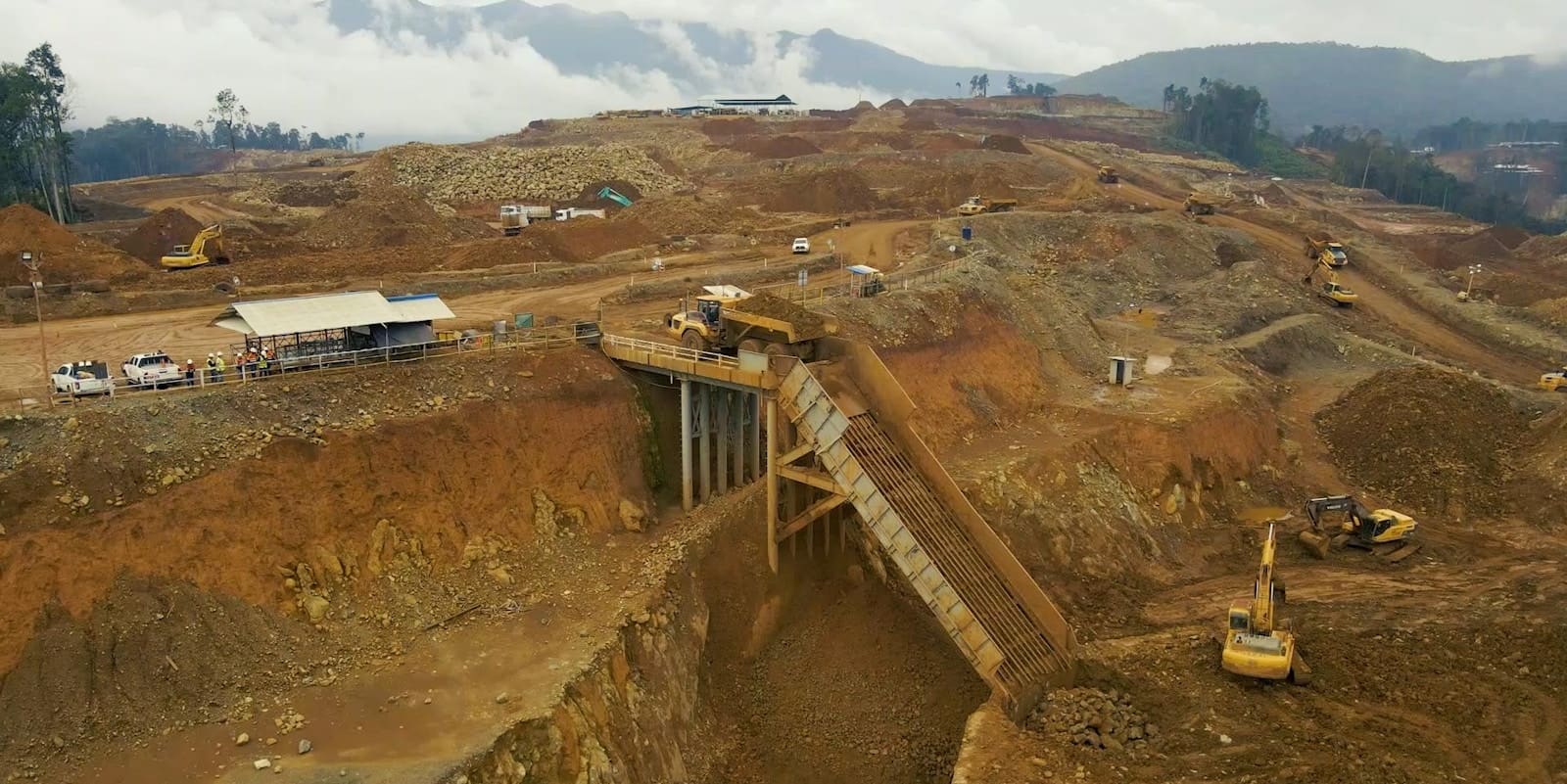
Indonesia has become the centre of gravity for global nickel refining. Roughly 75 per cent of the country's nickel processing capacity now involves Chinese capital, and 90 of the 96 allegations recorded in Indonesia occurred between 2023 and 2025 alone.
Two industrial complexes illustrate the velocity of expansion. Indonesia Weda Bay Industrial Park scaled up processing through capital from CNGR Advanced Material Co. and Tsingshan Group. Indonesia Morowali Industrial Park announced a 4,400-acre expansion supported by Zhejiang Huayou Cobalt, Vale and Ford.
The rapid build-out has made Indonesia the world's dominant nickel supplier, a position that directly feeds electric vehicle and battery manufacturing lines across Asia, Europe and North America. But the BHRC analysis found that this growth coincides with a rising tide of complaints involving worker safety, land disputes, contamination of water and soil, and breaches of environmental protocols.
Demand for ore has pushed mining permits into areas previously restricted, including small islands under 2,000 square kilometres. Nickel ore imports from the Philippines surged by roughly 4,000 per cent during the period, compounding risks across the wider supply network, the report noted.
Myanmar and Cross-Border Contamination
Myanmar saw its allegation count more than double over the same timeframe. The increase stems from the expansion of rare earth extraction in Kachin and Shan States, much of it informal and linked to opaque financing structures.
Mining operations have triggered water pollution that crosses into neighboring countries, threatening communities along the Mekong River basin. Clashes around Wanbao's Letpadaung copper mine added to the recorded cases, according to the BHRC.
Policy Promises and Implementation Gaps
The surge in documented harm comes despite a wave of new Chinese policy commitments aimed at responsible sourcing. In 2025, Beijing launched the International Initiative on Green Mining and Minerals at the G20, pledging to advance cleaner extraction practices and channel benefits to women and Indigenous groups.
China's latest National Human Rights Action Plan includes explicit language on corporate social responsibility, referencing alignment with the United Nations Guiding Principles on Business and Human Rights. The plan devotes an entire section to strengthening companies' capacity to identify and address human rights risks in their operations.
Yet the BHRC study found a stark disconnect between policy and practice. The three companies associated with the highest number of allegations all maintain public human rights policies, raising questions about enforcement and genuine commitment.
Some firms showed responsiveness when allegations surfaced, but others appeared to ignore the claims entirely. The report emphasizes that transparency remains the essential first step toward accountability, and that gap persists across much of the sector.
Community and Worker Impacts
The majority of allegations relate to harms affecting local populations. The most frequently cited issues include threats to livelihoods, damage to personal health, violations of land rights, risks to worker safety, and contamination of water, soil and air.
The pattern suggests systemic governance failures rather than isolated incidents. As processing capacity grows, mining permits proliferate, and industrial zones expand, the risks accumulate across supply chains that span multiple countries and link upstream extraction to downstream manufacturing.
What Comes Next
Chinese companies occupy a central position in the global energy transition, controlling significant portions of the mining, refining and component manufacturing that underpin electric vehicles, grid storage and renewable energy systems. That influence creates both leverage and responsibility.
The BHRC report argues that a just and fair transition will not materialize without urgent and concrete action from both companies and regulators. Confronting the environmental and social harms linked to transition minerals requires more than policy statements; it demands measurable changes in how projects are approved, monitored and held accountable.
Indonesia's experience offers a preview of what rapid scaling looks like when governance lags behind investment. As other countries in Southeast Asia, Africa and Latin America race to attract capital for their own mineral reserves, the challenge will be ensuring that growth does not replicate the same patterns of harm.
RELATED STORIES
Indonesia Seeks 100GW Solar Build From China, But Not Chinese Ownership
Priyanka V. Rao · 3 min
From Tourism Graduate to Indonesia Electronics Distributor: Wook Eyes IPO
Cheng Wei-Lun · 3 min
Indonesia's Palm Oil Zones Account for Bulk of Fire-Ravaged Land This Year
Siti Nuraini · 4 min
Indonesia Faces Tension Between Petrochemical Growth and Plastic Reduction Goals
Siti Nuraini · 4 min
Spot something wrong? Email editor@briefasia.com. We log every correction publicly.