Asia · Business
German Luxury Automakers Slash China Prices as Local EV Brands Gain Ground
Mercedes-Benz, BMW, and Audi turn to aggressive discounting as inventory climbs and Chinese new energy vehicle makers reshape the premium market
KEY TAKEAWAYS
- ·Mercedes-Benz, BMW, and Audi have implemented significant price cuts and dealer incentives across China since early 2026 as inventory levels climbed at showrooms.
- ·Chinese new energy vehicle brands have captured growing premium market share, leveraging advanced software and local charging ecosystems against German combustion and early electric models.
- ·The discounting strategy aims to protect sales volume and dealer network health through year-end, though it compresses margins and raises questions about long-term brand positioning.
Discounts Deepen as Inventory Builds
Germany's three premium automakers have rolled out substantial price reductions across their China lineups since the start of 2026, a direct response to mounting inventory levels and weakening demand in what was once their most profitable market. Mercedes-Benz, BMW, and Audi - collectively known in the industry as BBA - have turned to dealer incentives and direct discounts to move metal off showroom floors as the competitive landscape shifts beneath them.
The pricing pressure reflects a structural change in China's luxury segment rather than a seasonal adjustment. Inventory has accumulated at dealerships throughout the first half of the year, forcing brand principals to authorize deeper margin sacrifices to maintain sales velocity and prevent older model stock from aging on lots.
The New Energy Shift
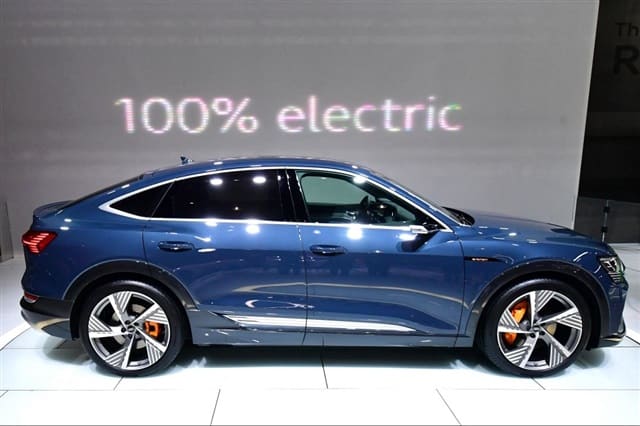
Chinese consumers shopping in the premium bracket are increasingly opting for new energy vehicles produced by domestic manufacturers, a trend that has accelerated sharply over the past eighteen months. Brands such as NIO, Li Auto, and BYD's premium Yangwang and Denza lines have captured wallet share that historically flowed to German nameplates, offering advanced driver assistance, battery technology, and connected cabin features that resonate with younger, tech-forward buyers.
The shift is not marginal. New energy vehicle penetration in China's passenger car market has crossed 50 percent in recent months, and the premium tier is no exception. German automakers, still ramping electrified product portfolios in the region, find themselves caught between legacy combustion platforms that no longer command the premiums they once did and electric offerings that lack the local software integration and charging ecosystem advantages their Chinese rivals have built.
Dealer Networks Under Strain
Dealer incentives have become a critical lever. BMW and Mercedes-Benz have both expanded support programs for their distribution partners, underwriting promotional campaigns and offering retrospective bonuses tied to volume targets. Audi has similarly increased cooperative advertising budgets and launched limited-time financing schemes with reduced rates to stimulate foot traffic.
These measures carry costs. Margin compression at the wholesale level flows through to automaker financials, and sustained discounting risks eroding brand equity in a market where prestige has historically commanded a significant premium. The German trio entered China decades ago on the strength of engineering heritage and status signaling; competing primarily on price against nimble local players represents a strategic concession that was unthinkable five years ago.
Protecting Volume Through Year-End
The pricing strategy appears designed to defend market share and sales momentum through the remainder of 2026 rather than to restore profitability in the near term. Automakers face a delicate calculus: allow inventory to pile up and risk obsolescence, or clear stock at reduced margins and preserve dealer network health for the next product cycle.
Early sales data suggest the discounts are having the intended effect on transaction volume, though at a steep cost. The question for German executives is whether this is a temporary adjustment while new electric platforms reach market, or the opening chapter of a longer retreat from dominance in the world's largest auto market. Chinese competitors show no signs of easing their product cadence or pricing aggression, and the German brands' traditional advantages in perceived quality and dealer experience are narrowing as local players invest heavily in customer-facing operations.
The pressure is unlikely to relent. China's auto market has become a proving ground for electric and software-defined vehicles, and the brands that can deliver on both fronts at competitive prices are setting the terms of engagement. For now, the German luxury incumbents are buying time with their balance sheets, hoping their next generation of China-tailored products can reclaim the initiative.
RELATED STORIES
India's Chinese Import Bill Climbs Despite Self-Reliance Push
Priyanka V. Rao · 3 min
China's August Inflation Accelerates on Energy and Typhoon Disruption
Tran Quoc Bao · 2 min
China Imposes Anti-Dumping Measures on Japanese Semiconductor Chemical Imports
Jun-ho Seo · 3 min
Malaysia's Rare Earth Deposits Draw Foreign Interest Ahead of China Export Controls
Priyanka V. Rao · 3 min
Spot something wrong? Email editor@briefasia.com. We log every correction publicly.