Asia · Business
Freeport Suspends Gresik Copper Smelter for Urgent Repairs
PT Freeport Indonesia has halted operations at its East Java facility for furnace maintenance, though the company insists upstream mining at Grasberg will continue uninterrupted.
KEY TAKEAWAYS
- ·PT Freeport Indonesia suspended operations at its Gresik copper smelter on August 8 for urgent furnace repairs, with completion targeted for Q3 2026.
- ·The facility has an annual production capacity of 342,000 tonnes of copper cathode and is 66 percent owned by Freeport, 34 percent by Mitsubishi Materials.
- ·Upstream mining at the Grasberg mine in Papua continues, though the company is assessing the impact on sales timing and revenue realization.
Shutdown Announced After Operational Issues
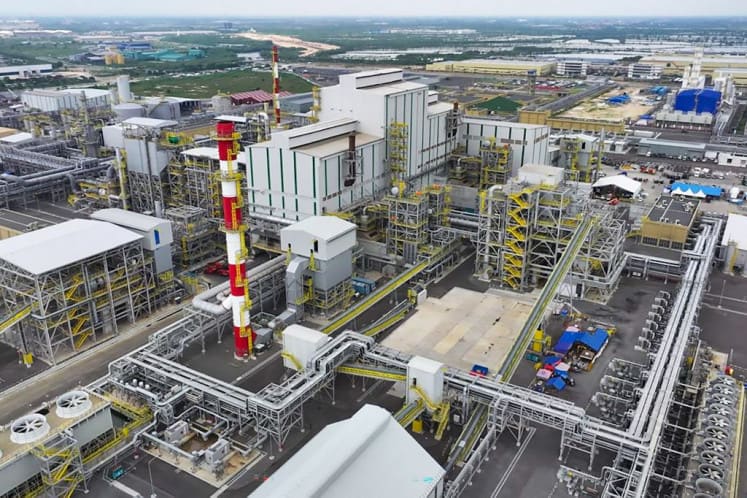
PT Freeport Indonesia has stopped operations at its copper smelting facility in Gresik, East Java, after identifying urgent furnace problems that require immediate attention. The suspension took effect August 8, 2026, according to company president director Tony Wenas.
The facility, operated through PT Smelting, processes copper concentrate from Freeport's massive Grasberg mine in Papua. Initial assessments suggest repairs will be completed within the third quarter of 2026, though the company has not disclosed the specific nature of the furnace damage or the cost of remediation.
PT Freeport Indonesia holds a 66 percent stake in the Gresik smelter, with Japan's Mitsubishi Materials Corp. controlling the remaining 34 percent. The partnership dates to 1996, when the facility was commissioned as Indonesia's first major copper smelter built with Japanese consortium backing.
Processing Capacity and Regional Context
The Gresik smelter has an annual production capacity of approximately 342,000 tonnes of copper cathode, making it a significant link in Indonesia's downstream metals value chain. The suspension removes that capacity from the market at a time when global copper demand remains elevated, driven by electrification and renewable energy infrastructure buildout across Asia.
Wenas emphasized that upstream operations at Grasberg will not be affected by the smelter shutdown. The mine continues to extract ore, though the company is now evaluating how the suspension will affect the timing of previously projected sales volumes. Concentrate stockpiling is a common practice during smelter maintenance, but extended outages can create logistical and cash flow pressures.
Indonesia has aggressively pursued downstream processing requirements in recent years, mandating that miners add value domestically rather than export raw ore. The Gresik facility has been central to Freeport's compliance with these rules, and any prolonged disruption could complicate the company's regulatory standing or force it to seek alternative processing arrangements.
Mitsubishi Partnership and Processing Economics
The joint venture structure with Mitsubishi Materials reflects broader patterns in Southeast Asian metals processing, where Japanese trading houses and manufacturers have provided capital and technology in exchange for long-term offtake rights. Mitsubishi's 34 percent stake gives it access to a stable supply of refined copper for Japan's electronics and automotive sectors.
Furnace repairs at smelters typically involve refractory lining replacement, cooling system overhauls, or structural reinforcement after years of high-temperature operation. The Gresik facility is nearly three decades old, and aging infrastructure is a known risk in the industry. Whether this shutdown reflects deferred maintenance or an unexpected failure remains unclear.
Freeport has not publicly commented on whether it will seek to process Grasberg concentrate at third-party facilities during the outage. China and other regional smelters maintain excess capacity, but tolling arrangements can be expensive and may not align with Indonesia's domestic value-add mandates.
Sales Timing and Market Implications
The company's acknowledgment that it is reviewing the impact on sales realization timing suggests some revenue will be delayed, though Wenas stopped short of quantifying the financial hit. Copper prices have been volatile in 2026, and the suspension could marginally tighten regional supply if repairs extend beyond the third quarter.
Freeport's broader operations in Indonesia have faced repeated challenges, including labor disputes, regulatory changes, and infrastructure bottlenecks. The Gresik shutdown adds another variable to an already complex operating environment. Investors will be watching for updates on repair progress and any revision to full-year production guidance.
For now, the company is banking on a swift turnaround. Third-quarter completion would mean the facility is offline for roughly two to three months, a manageable disruption if no further issues emerge. Any slippage beyond that window would raise harder questions about the plant's long-term reliability and Freeport's processing strategy in Indonesia.
RELATED STORIES
Indonesia's Mining Sector Contracts for Second Straight Quarter
Siti Nuraini · 3 min
South Sumatra Police Uncover 1.4 Million Liters in Fuel Diversion Scheme
Siti Nuraini · 3 min
Indonesia Redirects State Fund Dividends to Reduce Debt Burden
Priyanka V. Rao · 3 min
Indonesia's Free Meal Program Leaves Rural Kitchen Operators Trapped in Debt
Siti Nuraini · 3 min
Spot something wrong? Email editor@briefasia.com. We log every correction publicly.