Asia · Politics
Indonesia's Free Meal Program Leaves Rural Kitchen Operators Trapped in Debt
Over 400 investors who borrowed to build 1,500 kitchens for the National Nutrition Agency face delayed reimbursements as cost-cutting measures hit implementation
KEY TAKEAWAYS
- ·At least 400 investors borrowed money to build more than 1,500 kitchens for Indonesia's National Nutrition Agency free meal program in remote areas.
- ·The government has delayed reimbursements and altered payment terms without clear communication as it seeks to control program costs.
- ·Kitchen operators in provinces like Gorontalo and Papua now face loan defaults and some have reduced or stopped meal service entirely.
Promises and Debt in Remote Villages
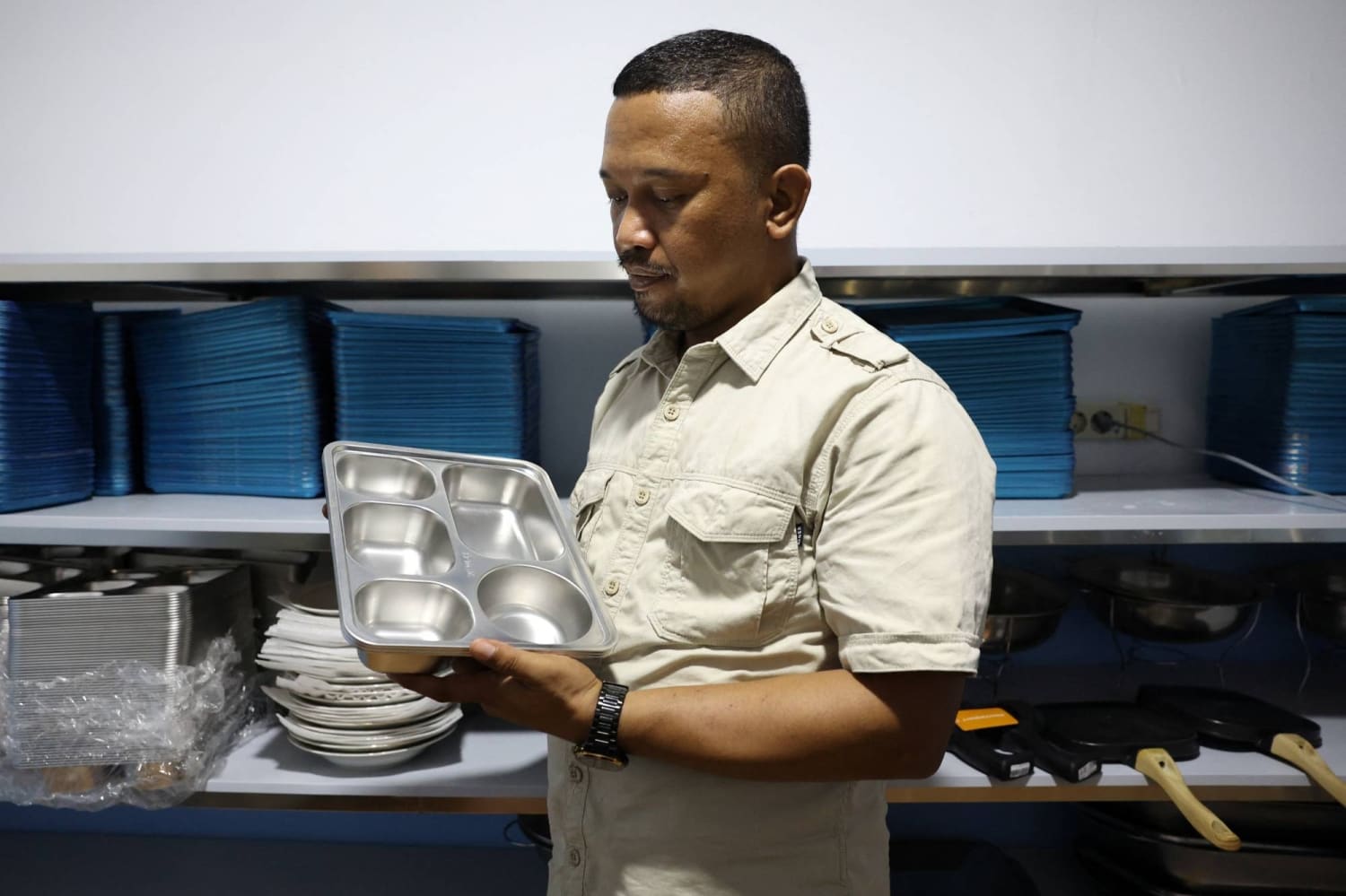
Sigit Buludawa borrowed money to build a kitchen in Torosiaje, a fishing village in Gorontalo province. The 34-year-old was responding to a government call for private operators to support Indonesia's ambitious free meal program, run by the National Nutrition Agency. He is now waiting for reimbursements that were supposed to arrive months ago.
Sigit is not alone. At least 400 investors across Indonesia took out loans to construct more than 1,500 kitchens in remote areas, according to data from the program. They were promised reimbursement on agreed terms, but those terms have since shifted as the government scrambles to control costs for one of its most visible social initiatives.
The National Nutrition Agency launched the free meal program to address malnutrition in underserved regions. The plan relied heavily on private kitchen operators who would front construction and operating costs, then receive government payments based on meals served. For many entrepreneurs in remote provinces, it seemed like a viable business opportunity backed by state guarantees.
Reimbursement Terms Shift Mid-Program
The problem emerged as budget realities collided with program ambitions. The government began delaying payments and revising reimbursement structures without clear communication to operators. Some kitchen owners report waiting three to six months for funds that were contractually due within 30 days. Others have seen per-meal reimbursement rates cut unilaterally, leaving them unable to cover loan repayments or operating expenses.
The National Nutrition Agency has not issued a public statement explaining the delays or the rationale behind term changes. Local officials in several provinces have acknowledged the issues but say they lack authority to approve payments without central government clearance.
For operators like Sigit, the consequences are immediate. Loan interest accrues while kitchens remain operational but underfunded. Some have reduced meal portions or frequency to stay afloat. Others have stopped operations entirely, leaving students and community members without the promised daily meals.
Remote Areas Bear the Brunt
The geographic distribution of affected kitchens underscores a familiar pattern in Indonesian public programs: remote regions suffer disproportionately when implementation falters. Torosiaje and similar villages in Gorontalo, North Maluku, and Papua were prioritized in the program's rollout because malnutrition rates there exceed national averages. Investors in these areas often lack alternative income sources or access to flexible credit, making them especially vulnerable to payment disruptions.
The kitchens were built with local materials and labor, creating short-term economic activity in communities that rarely see such investment. But the debt burden now threatens to reverse those gains. Several operators have reported selling personal assets to meet loan obligations, while others face foreclosure on equipment or property used as collateral.
Cost Control Versus Social Commitment
The shift in reimbursement terms reflects broader tensions in Indonesia's fiscal management. The free meal program was a flagship initiative, announced with significant political fanfare. But as implementation costs became clearer, the government faced pressure to trim expenses without abandoning the program outright.
Altering payment terms for existing contracts offered a way to reduce immediate outlays, but it transferred financial risk onto the smallest and least resilient participants in the supply chain. The 400-plus kitchen operators collectively represent a negligible share of national spending, yet they bear the full weight of budget adjustments that originated in Jakarta.
Industry observers note that this pattern is not unique to the nutrition program. Infrastructure and social initiatives in Indonesia frequently encounter mid-course financial revisions that leave contractors and local partners exposed. The difference here is scale: 1,500 kitchens across some of the country's most isolated communities, all facing simultaneous cash flow crises.
What Comes Next
The National Nutrition Agency has yet to announce a resolution timeline. Some provincial governments have begun negotiating with local banks to extend loan terms for affected operators, but these are ad hoc measures that do not address the underlying reimbursement problem.
For Sigit and his peers, the immediate question is survival. Several kitchen operators have formed informal networks to share strategies and lobby for payment resumption, but they lack organized representation or legal recourse. The loans continue to accrue interest, and the meals are still supposed to be served.
The program's future depends on whether the government can reconcile its social commitments with fiscal discipline. In the meantime, the people who invested in that promise are left navigating debt in villages where financial safety nets are thin and options are few.
RELATED STORIES
Indonesia Nominates Destry Damayanti as First Female Central Bank Chief
Priyanka V. Rao · 3 min
South Sumatra Police Uncover 1.4 Million Liters in Fuel Diversion Scheme
Siti Nuraini · 3 min

Indonesia Freezes Aid to 1.5 Million Families Over Gambling Flags
Siti Nuraini · 3 min

Transjakarta to Take Over Thousand Islands Ferry Routes in 2027
Siti Nuraini · 3 min
Spot something wrong? Email editor@briefasia.com. We log every correction publicly.