Finance · Markets
Foreign Funds Pile Into JX Advanced Metals and Sanrio as Japan Stocks See Record Inflows
Actively managed portfolios target Japanese firms with global reach as cross-border capital flows hit unprecedented levels in 2026
KEY TAKEAWAYS
- ·Foreign investors channeled record net capital into Japanese stocks through actively managed funds during the first half of 2026, with JX Advanced Metals, Sanrio, Kioxia, and Fujikura among top recipients.
- ·Fund managers are targeting Japanese companies with global competitive positions in AI infrastructure materials, semiconductor production, fiber-optic connectivity, and cross-border intellectual property.
- ·The inflows reflect a strategic shift toward firms participating in secular growth themes rather than traditional currency-sensitive exporters or domestic service companies.
Unprecedented Capital Flows
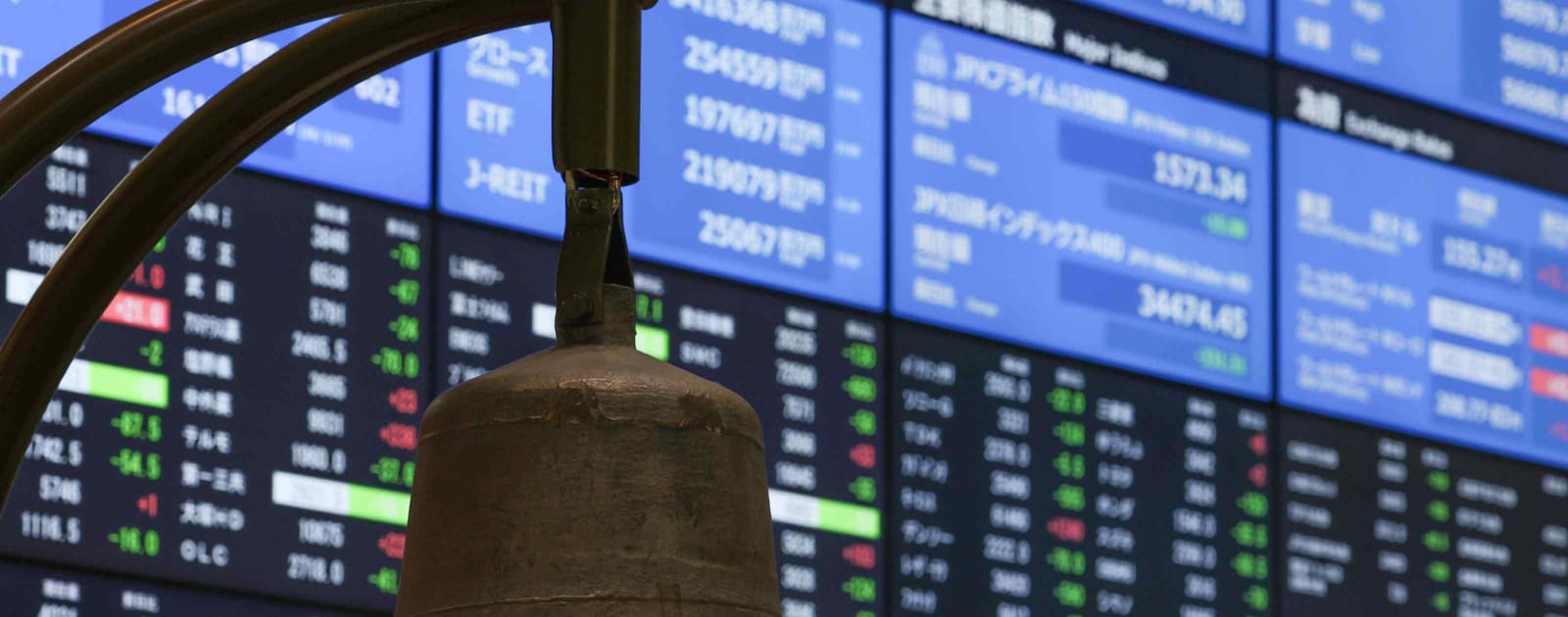
Foreign capital is flooding into Japanese equities at an unprecedented rate in 2026, with actively managed funds steering substantial positions toward companies that hold competitive advantages on the world stage. JX Advanced Metals and Sanrio have emerged as prominent beneficiaries during the first half of the year, alongside semiconductor manufacturer Kioxia and fiber-optics specialist Fujikura.
The inflows mark a notable shift in international portfolio strategy, as fund managers increasingly view Japan's corporate landscape through a lens of global competitiveness rather than domestic market dynamics alone. Net foreign investment into Japanese stocks through active management vehicles has reached record levels, outpacing historical benchmarks for the January-June period.
Materials and Entertainment Draw Interest
JX Advanced Metals, a key supplier in the semiconductor and electronics materials supply chain, has attracted significant foreign buying. The company's position in optical chip wafer production for AI data centers has become a focal point for investors tracking infrastructure buildout in artificial intelligence applications. Demand for specialized materials that enable high-performance computing has accelerated as hyperscale cloud operators expand capacity.
Sanrio, known globally for its character licensing business anchored by Hello Kitty, represents a different investment thesis. The entertainment company's intellectual property portfolio and expansion into digital platforms have caught the attention of funds seeking exposure to consumer brands with cross-border appeal and pricing power.
Semiconductor Ecosystem Gains Traction
Kioxia, one of the world's largest producers of NAND flash memory, has also seen meaningful foreign inflows. The company's production scale and technology roadmap position it as a core holding for investors targeting the memory chip cycle, particularly as AI workloads drive demand for storage solutions.
Fujikura, which manufactures fiber-optic cables and related components, benefits from infrastructure investment trends across Asia and beyond. The company's products underpin telecommunications networks and data center connectivity, two areas experiencing sustained capital expenditure as digital infrastructure scales.
Positioning for Global Reach
The common thread among these investments is a focus on companies that derive significant revenue from international markets or participate in global supply chains. Fund managers are prioritizing firms with exposure to secular growth themes such as AI infrastructure, data center expansion, and intellectual property monetization across geographies.
This strategy contrasts with earlier periods when foreign investors often concentrated on Japanese exporters sensitive to currency fluctuations or domestic-focused service companies. The current wave reflects a more nuanced assessment of where Japanese firms hold structural advantages in global industries.
Market Context
Japanese equity markets have experienced strong momentum in 2026, supported by corporate governance reforms, share buyback programs, and improved return-on-equity metrics. Foreign participation through active funds adds a layer of selectivity to these flows, as managers hunt for specific competitive moats rather than broad market exposure.
The record pace of inflows during the first half suggests sustained international confidence in select Japanese equities, even as global market conditions remain mixed. How these positions evolve in the second half will depend on both company-specific execution and broader macroeconomic factors, including currency movements and demand trajectories in key end markets.
RELATED STORIES
Japan's 10-Year Bond Yield Hits 30-Year High Amid Rate Hike Bets
Aiko Nakamura · 2 min
Japan Holds Ground on Yen Support Despite Giving Back Half Its Gains
Cheng Wei-Lun · 4 min
Japan's 10-Year Bond Yield Hits Highest Level Since 1996
Aiko Nakamura · 3 min
Japanese Corporations Double Commercial Paper Holdings to 17-Year High
Aiko Nakamura · 3 min
Spot something wrong? Email editor@briefasia.com. We log every correction publicly.