Lifestyle · Health
FDA Approves First New Sunscreen Ingredient in 25 Years
Bemotrizinol clearance opens door for Korean beauty brands eyeing US market entry, though regulatory path remains complex
KEY TAKEAWAYS
- ·The FDA approved bemotrizinol, the first new sunscreen active ingredient in over 25 years, with rules effective August 9.
- ·The clearance creates a regulatory pathway for Korean beauty brands to bring advanced UV protection formulations to the US market.
- ·Industry observers estimate 18 to 36 months before Korean products with the new ingredient reach American retail shelves.
Regulatory Breakthrough After Decades
The US Food and Drug Administration has cleared bemotrizinol (BEMT) for use in over-the-counter sunscreen products, marking the first approval of a new sunscreen active ingredient in more than 25 years. The agency amended its existing sunscreen monograph to include the compound, with new rules set to take effect on August 9.
The approval represents a significant shift in US sunscreen regulation. American consumers have had access to the same limited set of UV filters since the late 1990s, while markets across Asia and Europe have deployed newer compounds for years. Bemotrizinol has been available in European and Asian formulations for over a decade, where it is valued for broad-spectrum UVA and UVB protection.
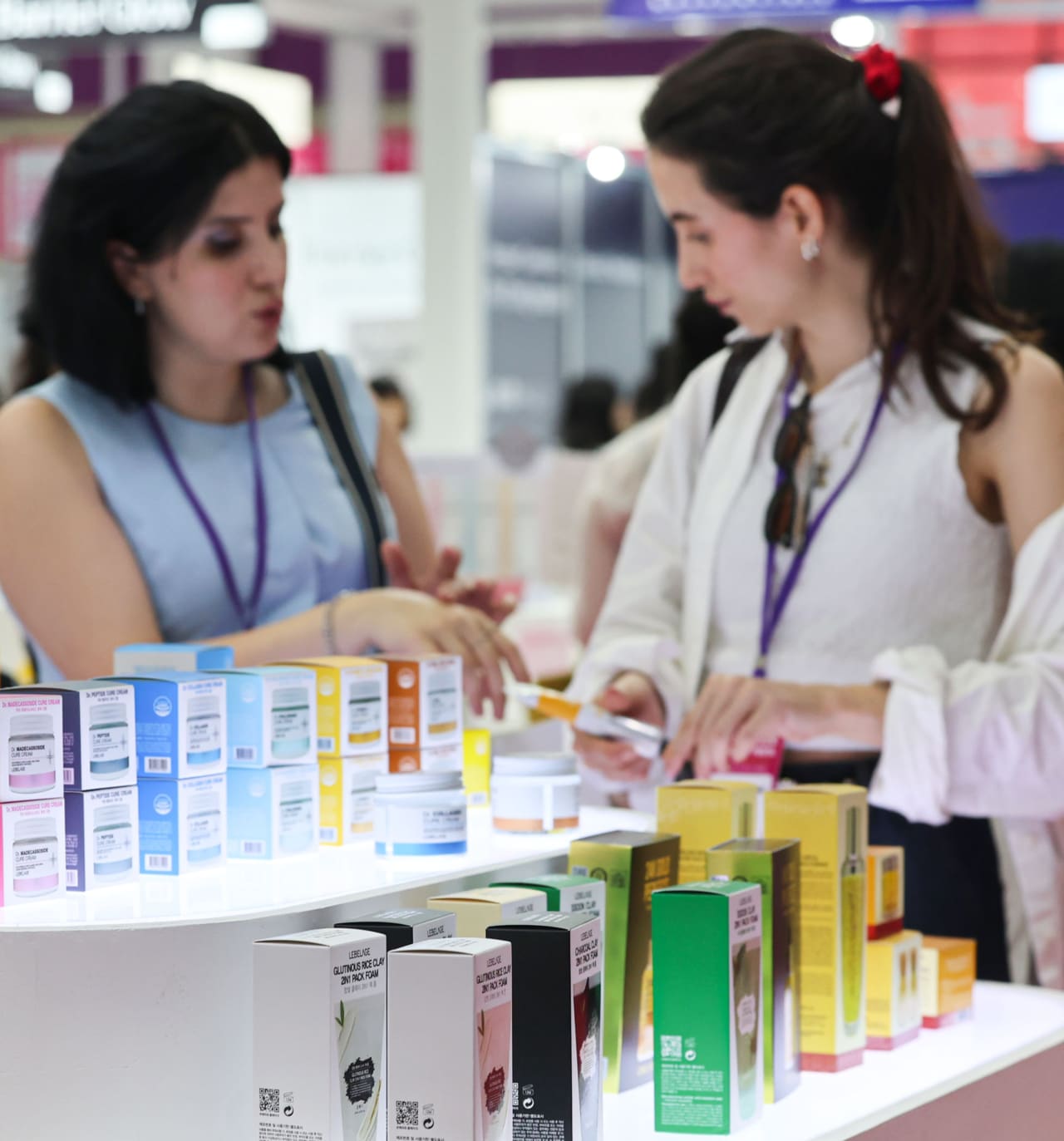
The FDA's decision arrives at a moment when Korean beauty brands command substantial global attention for their advanced sunscreen formulations. South Korean manufacturers have built expertise in lightweight, cosmetically elegant sun protection products that layer well under makeup and absorb quickly, a contrast to the thicker, white-cast formulas that have dominated US shelves.
What the Clearance Means for K-Beauty
For Korean cosmetics companies, the approval creates a pathway that did not exist before. US sunscreen regulations classify these products as over-the-counter drugs rather than cosmetics, imposing a higher evidence bar and a more expensive approval process. The monograph amendment offers a streamlined route compared to the New Drug Application process, though manufacturers must still demonstrate safety and efficacy data that meet FDA standards.
Korean beauty conglomerates including Amorepacific and LG Household & Health Care have long eyed deeper penetration into the US market. Both companies operate research facilities focused on UV protection and have patent portfolios covering novel sunscreen delivery systems. Until now, their most advanced formulations remained unavailable to American consumers due to ingredient restrictions.
The practical timeline for Korean products incorporating bemotrizinol to reach US retail shelves remains uncertain. Manufacturers must reformulate products to comply with FDA concentration limits and labeling requirements, then conduct stability testing and potentially clinical studies. Industry observers estimate a lead time of 18 to 36 months before the first wave of new products appears in major distribution channels.
Broader Regulatory Context
The FDA's monograph amendment follows years of pressure from dermatologists, cosmetic chemists, and industry groups who argued that outdated regulations left American consumers with inferior sun protection options. A 2019 proposed rule sought updated safety data on 12 existing sunscreen ingredients, creating uncertainty that stalled innovation. The bemotrizinol approval signals a willingness to modernize the framework, though the agency has not indicated whether additional ingredients are under review.
In South Korea, sunscreen actives are regulated as functional cosmetics, a category that requires efficacy testing but follows a faster approval process than pharmaceutical drugs. Korean brands routinely launch products with SPF 50+ ratings and PA++++ designations, reflecting high UVA protection levels. These formulations often combine multiple organic and inorganic filters in concentrations optimized for both protection and sensory appeal.
The divergence in regulatory philosophy has created a two-tier global sunscreen market. Premium Korean and Japanese sunscreens command cult followings among beauty enthusiasts willing to import products, while mainstream US consumers rely on legacy formulas that often leave a white residue or feel heavy on the skin. The gap has fueled a gray market for imported sun care, with certain Korean products selling at significant markups through third-party channels.
Market Implications
The US sun care market was valued at approximately $1.8 billion in 2025, with growth driven by increased awareness of skin cancer prevention and anti-aging benefits. Korean beauty brands currently hold a small share of that market, concentrated in specialty retailers and online channels. Access to modern UV filters could enable them to compete more directly with legacy brands like Neutrogena and Coppertone in mass-market distribution.
For Korean manufacturers, the US represents both an opportunity and a strategic imperative. Domestic sunscreen sales have matured as the category reached near-universal adoption among younger consumers. Export growth has become critical, and the US offers scale that smaller Asian markets cannot match. However, success will require more than ingredient access. American consumers have different usage habits, price expectations, and brand loyalties compared to Asian markets.
The bemotrizinol approval may also accelerate pressure on the FDA to clear additional modern filters. Ingredients such as octinoxate and oxybenzone, widely used in US products, face scrutiny over environmental impact and potential endocrine disruption. Newer alternatives available in Asia, including Tinosorb M and Uvinul A Plus, offer comparable or superior performance with improved safety profiles. If the FDA continues to update its monograph, Korean brands could find themselves positioned as innovation leaders rather than niche imports.
What Comes Next
Industry groups are watching to see whether the FDA will address the backlog of sunscreen ingredient applications filed over the past decade. Eight ingredients have been pending review since at least 2014, creating frustration among international manufacturers. The bemotrizinol decision offers a template, but the agency has not committed to a timeline for additional approvals.
For now, Korean beauty companies are likely evaluating formulation strategies and market entry plans. The brands that move quickly to secure FDA compliance and build distribution partnerships could capture early-mover advantages in a category ripe for disruption. American consumers, meanwhile, may finally gain access to the lightweight, high-protection sunscreens that have been standard in Seoul for years.
RELATED STORIES

South Korea Breaks Full-Year Export Record in September
Tran Quoc Bao · 3 min
Samsung and SK Hynix Turn Down KEPCO's Multibillion-Dollar Prepayment Demand
Cheng Wei-Lun · 4 min
South Korea Extends Trading Hours to Attract Foreign Capital
Anand Sundaram · 2 min

MBK Partners Chair Questioned Over Homeplus Debt Issuance Ahead of Collapse
Anand Sundaram · 3 min
Spot something wrong? Email editor@briefasia.com. We log every correction publicly.