Asia · Business
Earthquake Halts Aisin Plant, Exposing Japan Auto Supply Chain Fragility
Production at Toyota, Nissan, and Mitsubishi disrupted after quake damages key parts facility in Kumamoto, with no timeline for restart
KEY TAKEAWAYS
- ·An Aisin plant in Kumamoto producing door components was damaged by a magnitude-7.1 earthquake, forcing production halts at Toyota, Nissan, and Mitsubishi with no restart timeline.
- ·The disruption highlights concentration risk in Japan's automotive supply network, where single suppliers often hold near-monopoly positions for critical components.
- ·Industry pressure is mounting to diversify supplier footprints and build redundancy, though just-in-time manufacturing economics have historically resisted such changes.
Production Halted Across Major Automakers
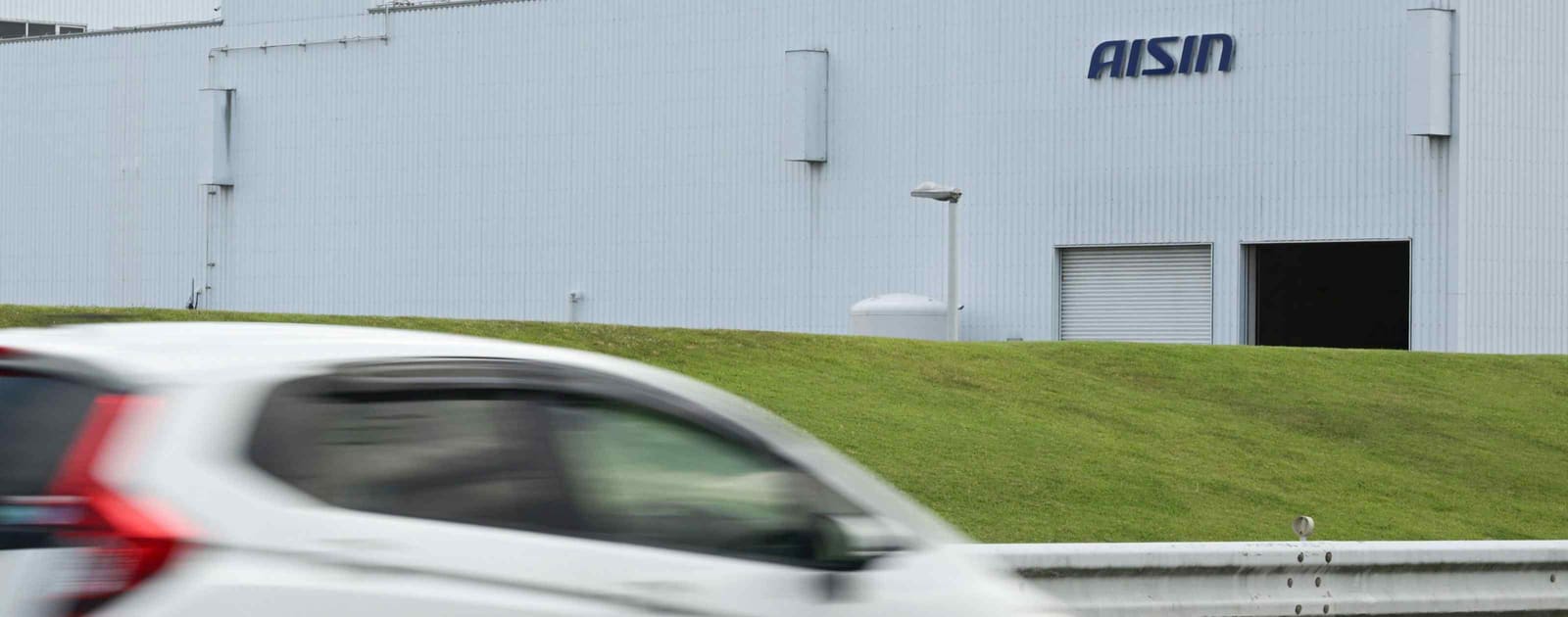
A magnitude-7.1 earthquake that struck Kyushu on Tuesday has knocked out a critical Aisin manufacturing facility in Kumamoto, forcing production stoppages at Toyota Motor, Nissan, and Mitsubishi. The plant, which manufactures door components, sustained significant damage with no clear timeline for resuming operations as of Thursday.
Aisin, a major supplier within Toyota's expansive keiretsu network, operates the damaged facility as part of a supply chain that feeds dozens of assembly lines across Japan. The sudden halt underscores how a single point of failure can cascade through an industry built on just-in-time logistics and concentrated supplier relationships.
Concentrated Risk in Southern Japan
The Kumamoto plant shutdown arrives at a moment when Japan's automotive sector is already grappling with pressure to rethink its supply architecture. The facility sits in a region that has become a manufacturing hub for both automotive and semiconductor production, with TSMC also reporting temporary disruptions to its nearby fabrication operations.
Toyota Motor confirmed that some of its domestic production lines have been affected, though the company has not disclosed which models or the expected duration of the impact. Nissan and Mitsubishi similarly acknowledged disruptions but declined to provide specifics on production volumes or recovery schedules.
Industry executives have long recognized the concentration risk inherent in Japan's automotive supply base, where first-tier suppliers like Aisin often hold near-monopoly positions for specific components. Door assemblies, while seemingly straightforward, involve precision engineering and tight integration with vehicle architecture, making it difficult to quickly shift production to alternative facilities.
Supply Chain Diversification Pressures Mount
The earthquake damage amplifies calls from within Japan's automotive industry to diversify supplier footprints and build redundancy into critical supply chains. Over the past decade, Japanese automakers have expanded overseas production, but domestic operations remain heavily reliant on a network of suppliers concentrated in central and southern Japan.
Chinese parts manufacturers have been attempting to penetrate Japan's close-knit supplier ecosystem, offering lower costs and geographic diversification. However, entrenched relationships and exacting quality standards have made it difficult for new entrants to gain significant share in core component categories.
The Kumamoto event follows a pattern of natural disasters exposing vulnerabilities in Japan's manufacturing base. A 2016 earthquake in the same region disrupted Toyota production for weeks, prompting commitments to supply chain resilience that have proven difficult to implement at scale.
Broader Regional Implications
Beyond the immediate production impact, the Aisin plant shutdown raises questions about the resilience of Asia's broader automotive manufacturing network. Japanese suppliers export components throughout the region, feeding assembly operations in Thailand, Indonesia, and other Southeast Asian markets.
If the Kumamoto facility remains offline for an extended period, automakers may need to divert production to plants in North America or Europe, or accept temporary production cuts. Either option carries cost implications and could affect vehicle availability in key Asian markets where demand remains strong.
The incident also highlights the tension between efficiency and resilience in supply chain design. Just-in-time manufacturing, pioneered by Toyota and adopted globally, minimizes inventory costs but leaves little buffer when disruptions occur. Building redundancy requires carrying higher inventory levels and maintaining excess capacity, trade-offs that automakers have historically resisted.
As Japan's automotive sector assesses the damage in Kumamoto, the pressure to accelerate supply chain diversification is likely to intensify. Whether that translates into meaningful structural change will depend on how long the Aisin plant remains offline and how severely the disruption affects production volumes in the coming weeks.
RELATED STORIES
Honda Demands 30% Price Cuts From Suppliers in $9.4 Billion Cost Plan
Cheng Wei-Lun · 3 min

Berkshire Hathaway Eyes Larger Stakes in Japan's Top Trading Houses
Cheng Wei-Lun · 3 min
China Imposes Anti-Dumping Measures on Japanese Semiconductor Chemical Imports
Jun-ho Seo · 3 min
Malaysia's Rare Earth Deposits Draw Foreign Interest Ahead of China Export Controls
Priyanka V. Rao · 3 min
Spot something wrong? Email editor@briefasia.com. We log every correction publicly.