Finance · Fintech
Digital Banks Push Back on Free Transfer Mandates in the Philippines
Industry players cite new BSP pricing framework as justification for charging fees based on actual service costs
KEY TAKEAWAYS
- ·Digital banks and fintech firms in the Philippines are opposing permanent free fund transfers, invoking a new BSP pricing framework that permits fees based on actual service costs.
- ·The industry argues that infrastructure investment, cybersecurity, and regulatory compliance require sustainable revenue models beyond zero-fee promotional strategies.
- ·The debate will shape competitive dynamics and financial inclusion outcomes as the Philippine digital payment ecosystem matures and institutions balance accessibility with profitability.
Industry Stance on Transfer Fees
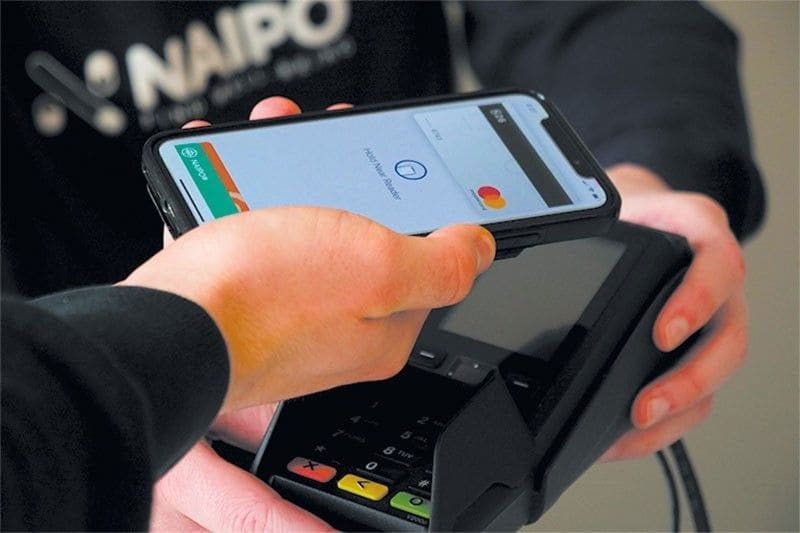
Digital banks and fintech companies in the Philippines are mounting resistance to proposals for permanently free fund transfers, invoking a recent pricing framework from the Bangko Sentral ng Pilipinas that permits institutions to levy charges based on actual operational costs.
The pushback marks a significant shift in the debate over digital payment accessibility in Southeast Asia's fastest-growing fintech market. While consumer advocates have long pressed for zero-fee transfers to accelerate financial inclusion, the industry now argues that sustainable pricing models are essential to maintain service quality and infrastructure investment.
According to the BSP's new framework, financial institutions may impose fees that reflect the true cost of delivering digital payment services, including technology infrastructure, fraud prevention systems, and regulatory compliance. This represents a departure from earlier expectations that digital channels would eventually eliminate transfer costs entirely.
Cost Pressures in Digital Banking
The industry's position centers on the economics of operating digital financial platforms in an archipelago nation where connectivity challenges and regulatory requirements drive up service costs. Digital banks have invested heavily in mobile-first infrastructure, cybersecurity protocols, and customer support systems, all of which require ongoing funding.
Financial technology providers point out that while digital channels reduce certain overhead costs compared to branch networks, they introduce new expense categories. Real-time payment rails, anti-money laundering systems, and data protection measures all carry price tags that institutions argue should be reflected in user fees.
The debate also touches on competitive dynamics within the Philippine banking sector. Traditional banks with existing fee structures face pressure from digital-only players that initially offered zero-cost transfers as a customer acquisition strategy. The BSP framework may level the playing field by allowing all institutions to charge sustainable rates.
Regional Context and Financial Inclusion
The Philippines has emerged as a laboratory for digital finance in Asia, with mobile wallet adoption surging during the pandemic and digital transaction volumes continuing to climb. Government initiatives have promoted cashless payments as part of broader financial inclusion goals, creating tension between affordability and commercial viability.
Other Southeast Asian markets have grappled with similar questions. Singapore's PayNow and Thailand's PromptPay offer free peer-to-peer transfers, funded through different models that spread costs across participating institutions. Indonesia has seen debate over interbank transfer fees as its digital payment ecosystem matures.
The BSP's framework attempts to balance these competing interests by permitting fees while maintaining oversight of pricing practices. Regulators retain authority to intervene if charges become excessive or impede financial access for underserved populations.
What Comes Next
The outcome of this debate will shape the trajectory of digital finance across the archipelago. If cost-based fees become standard, fintech companies may shift their competitive focus from pricing to service features, user experience, and transaction speed.
Consumer response will be critical. Philippine digital wallet users have grown accustomed to promotional periods offering free transfers, and the introduction or expansion of fees could influence platform loyalty. Institutions that communicate value clearly and keep charges modest may retain customers, while aggressive pricing could drive users back to cash or alternative channels.
The central bank's framework also leaves room for tiered pricing models, where basic services remain free or low-cost while premium features carry higher charges. This approach could preserve financial inclusion benefits while allowing institutions to monetize value-added services for business and high-volume users.
As the Philippine digital banking sector matures, the fee debate reflects broader questions about sustainable business models in fintech. The balance between accessibility and profitability will determine which players thrive and how quickly the country moves toward a truly cashless economy.
RELATED STORIES

Philippines Central Bank Fielded 120,000 Customer Disputes in 2025
Priyanka V. Rao · 3 min

Philippine SSS Net Income Falls 28 Percent as Pension Hike Drives Up Costs
Priyanka V. Rao · 2 min

US and Japan Stage First Joint Yen Intervention in 28 Years
Cheng Wei-Lun · 3 min
Philippine Equities Face Headwinds as Second-Quarter Growth Hits 17-Year Low
Priyanka V. Rao · 3 min
Spot something wrong? Email editor@briefasia.com. We log every correction publicly.