Finance · Deals
Denso Reports Sharp Profit Decline as Rising Costs Offset Weak Yen Gains
Toyota's primary supplier saw operating profit fall 21.5% in the first quarter, missing analyst expectations by 18% as material costs surged
KEY TAKEAWAYS
- ·Denso posted 84.2 billion yen in first-quarter operating profit, down 21.5% year-on-year and 18% below analyst consensus of 102.4 billion yen.
- ·Rising parts and material costs outweighed benefits from a weaker yen, pressuring margins for the supplier that derives 55% of revenue from Toyota group companies.
- ·The company maintained its full-year operating profit forecast of 500 billion yen, suggesting management expects conditions to improve in subsequent quarters.
Profit Miss Triggers Sharp Sell-Off
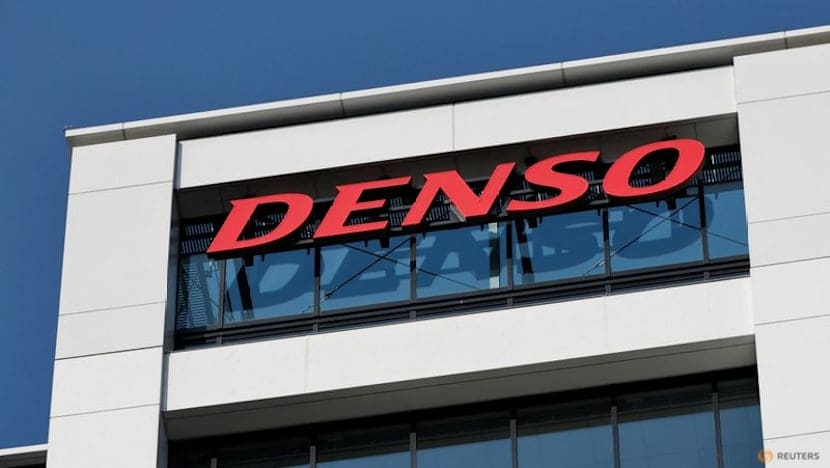
Denso, Japan's largest automotive components manufacturer and a critical supplier to Toyota Motor, reported operating profit of 84.2 billion yen for the three months ended June 30, according to the company's Friday earnings release. The figure marks a 21.5% decline from 107.2 billion yen in the same period last year and fell substantially short of the 102.4 billion yen median forecast from nine analysts polled by LSEG.
Investors reacted swiftly. Denso shares dropped more than 8% following the announcement, moving sharply against the broader Nikkei 225 index, which rose 4.4% on the same day.
Cost Pressures Override Currency Tailwinds
The profit squeeze came despite what should have been favorable exchange rate conditions. A weaker yen typically boosts earnings for Japanese exporters like Denso, which ships components globally. But escalating costs for raw materials and parts overwhelmed any currency-related gains during the quarter.
Denso generates approximately 55% of its revenue from Toyota group companies, making it deeply intertwined with the fortunes of Japan's largest automaker. The supplier produces everything from thermal systems and powertrains to advanced driver-assistance technology and electric vehicle components, positioning it at the center of the auto industry's technological transition.
Rising material costs have become a persistent challenge across the automotive supply chain. Steel, aluminum, copper, and rare earth elements used in electronic components have all seen price volatility over the past year, driven by supply chain adjustments and fluctuating demand patterns in major markets including China and North America.
Full-Year Guidance Unchanged
Despite the weak opening quarter, Denso maintained its full-year operating profit forecast of 500 billion yen for the fiscal year ending March 31, 2027. The unchanged guidance suggests management expects conditions to improve in subsequent quarters, either through cost containment measures, pricing adjustments with customers, or a more favorable demand environment.
Holding the line on annual projections after a significant first-quarter miss implies confidence in the company's pipeline and production plans for the remainder of the year. However, it also sets up heightened scrutiny for the second-quarter results, which will need to demonstrate meaningful improvement to keep the full-year target credible.
Asia's Auto Supply Chain Under Pressure
Denso's earnings shortfall reflects broader pressures rippling through Asia's automotive supply network. Japanese suppliers have historically operated on thin margins, relying on volume, efficiency, and long-term relationships with automakers. When input costs spike, these suppliers often face a lag before they can pass increases downstream to manufacturers, compressing profitability in the interim.
The dynamic is particularly acute for tier-one suppliers like Denso, which negotiate pricing contracts that can lock in rates for extended periods. Renegotiating terms mid-cycle requires demonstrating sustained cost increases, a process that can take quarters to resolve.
Meanwhile, the auto industry's pivot toward electrification and software-defined vehicles demands heavy R&D investment, adding another layer of financial pressure. Denso has committed billions to developing EV thermal management systems, battery technology, and semiconductor solutions, investments that weigh on near-term margins even as they position the company for future growth.
What Comes Next
The market's sharp reaction to Denso's results underscores investor sensitivity to supply chain profitability amid uncertain demand conditions. With Toyota navigating its own production adjustments and EV strategy shifts, the health of its primary supplier network carries implications beyond individual company performance.
Denso's ability to manage cost inflation while maintaining its full-year outlook will be tested over the coming quarters. The company's next earnings report will offer a clearer picture of whether the first-quarter miss was a temporary setback or the beginning of a more sustained margin challenge.
RELATED STORIES

Japan Wage Growth Hits 29-Year High, Reinforcing Central Bank Rate Path
Aiko Nakamura · 3 min
SoftBank Prices ¥1 Trillion Retail Bond in Largest Offering Since 2020
Aiko Nakamura · 3 min
Japan Tightens Oversight of Cross-Border Lending to Shadow Banks
Aiko Nakamura · 2 min
ABN Amro Clearing to Break Into Japan's Power Futures Market
Tran Quoc Bao · 3 min
Spot something wrong? Email editor@briefasia.com. We log every correction publicly.