Finance · Fintech
DBS Deploys Agentic AI Assistant to 350,000 Corporate Clients in Singapore
The bank's AI-powered virtual assistant handled 22% more chats in the first half of 2026, with active users jumping 61% as DBS extends automation across retail and corporate banking operations.
KEY TAKEAWAYS
- ·DBS introduced agentic AI capabilities to 350,000 corporate clients in Singapore on July 28, with plans to extend to 100,000 users in Hong Kong by September.
- ·DBS Joy saw a 22% increase in chat volume and a 61% rise in active users during the first half of 2026, contributing to a 7% reduction in customer service contacts.
- ·The bank expects both its corporate and retail AI assistants to handle over one million chats monthly, reaching 10 million customers across segments by year-end.
Automation Push Reaches Corporate Banking
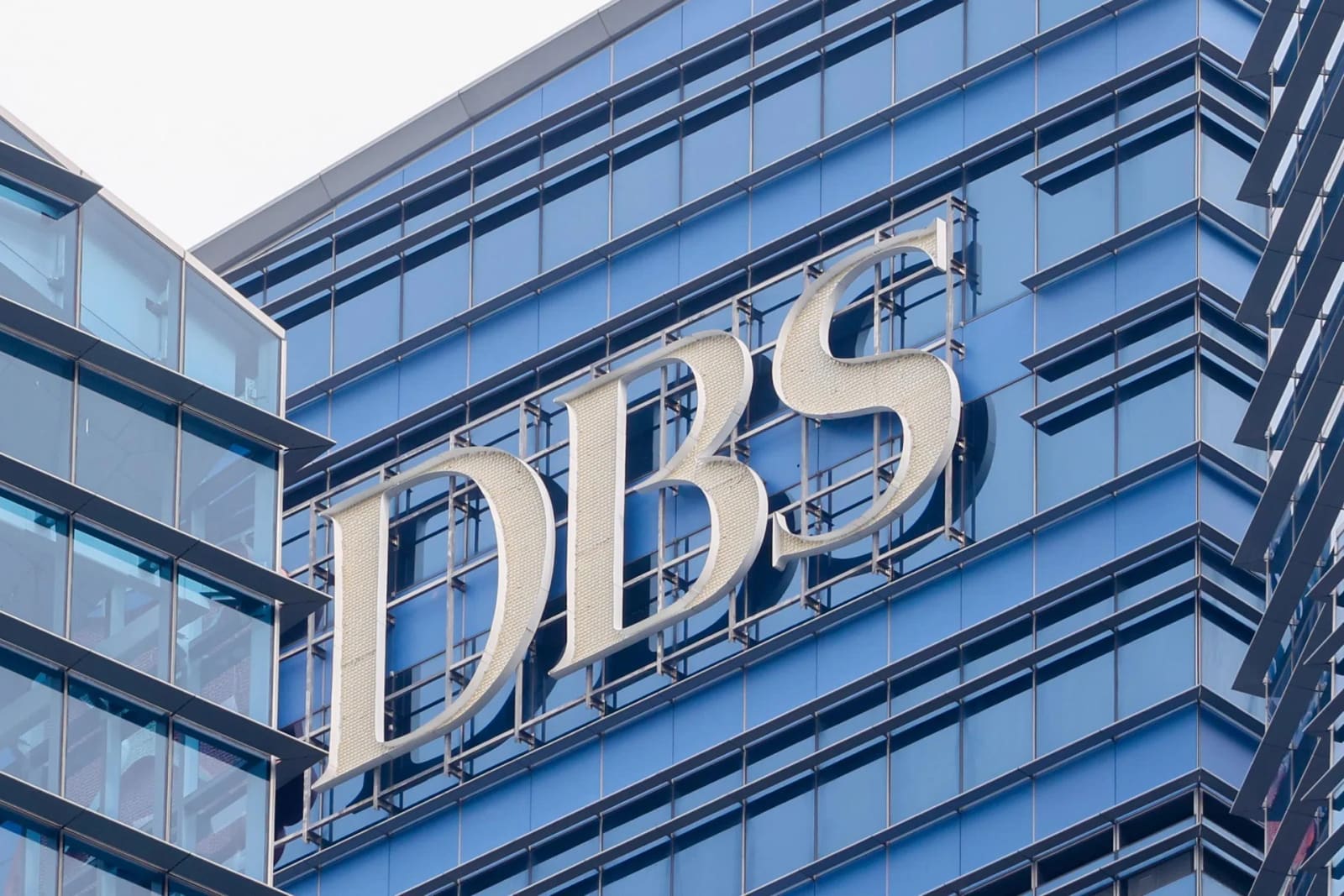
DBS introduced agentic artificial intelligence capabilities to 350,000 corporate clients in Singapore on July 28, expanding the reach of its virtual assistant DBS Joy beyond basic query resolution to autonomous task execution. The deployment marks one of the largest implementations of agentic AI in corporate banking across Southeast Asia, where such capabilities remain uncommon in business-facing digital channels.
Corporate clients, including small and medium-sized enterprises, can now retrieve and analyze account and transaction data within conversations, eliminating manual searches across the platform. The assistant understands and fulfills requests within the same interaction, according to DBS.
The bank will extend the corporate agentic AI features to an additional 100,000 users in Hong Kong in September, followed by progressive rollouts to other key markets in the region.
Usage Metrics Show Adoption Momentum
DBS Joy, launched in 2018 and upgraded with generative AI in 2025, recorded a 22% increase in chat volume during the first six months of 2026. Active users climbed 61% over the same period.
The shift to AI-assisted interactions contributed to a 7% reduction in calls and emails to customer service teams, according to the bank. DBS plans to deepen the assistant's knowledge of banking solutions and programs available to SMEs.
Derrick Goh, group chief operating officer at DBS, noted that digital assistants remain uncommon in corporate banking, with agentic capabilities even rarer. The bank views the technology as a step forward in helping customers complete tasks without human intervention.
Retail AI Expansion Targets Wealth Management
Beyond corporate operations, DBS is integrating agentic AI into retail services. The bank's retail virtual assistant, DBS digibot, now uses generative AI to handle card-related queries, refunds, fee waivers, and remittances. The chatbot resolved nine out of ten queries digitally in the first half of 2026.
In August 2026, DBS digibot will be embedded into digiWealth, the bank's wealth management platform serving mass-market and emerging-affluent customers. The integration aims to address wealth-related queries and support investment decision-making.
Additional agentic features - including card usage checks, reward point tabulation, fee waiver requests, and card blocking or replacement - will be incorporated into DBS digibot in the fourth quarter of 2026.
Volume Projections and Economic Impact
Through these initiatives, DBS expects both DBS digibot and DBS Joy to handle more than one million chats monthly, reaching a combined 10 million customers across retail and corporate segments.
The expansion builds on DBS' broader AI integration strategy. In 2025, the bank generated S$1 billion in economic value through AI applications, a one-third increase from 2024 levels.
The rollout reflects growing competition among Singapore's major banks to deploy AI at scale. While DBS focuses on agentic capabilities for both retail and corporate clients, regional peers are exploring similar automation in customer-facing operations, particularly in wealth management and transaction banking where high-volume, repeatable tasks offer clear efficiency gains.
The technology's ability to handle complex, multi-step requests within a single conversation represents a shift from rule-based chatbots to systems capable of independent action. For corporate clients managing multiple accounts and frequent transactions, the time savings could prove material, though adoption rates will depend on user trust in automated financial tasks and the accuracy of AI-generated analysis.
RELATED STORIES
Private Capital Floods Asia's MedTech Sector as Brain Interfaces and Robotics Draw Investors
Priyanka V. Rao · 4 min

Shein Drops 4% in Hong Kong Debut as Tariff Pressure Weighs on Valuation
Priyanka V. Rao · 4 min

DBS Doubles Down on Asia, Ruling Out Global Expansion
Anand Sundaram · 3 min

Grab Pursues Majority Stake in Buy-Now-Pay-Later Platform Atome
Jun-ho Seo · 3 min
Spot something wrong? Email editor@briefasia.com. We log every correction publicly.