Technology · Products
Korean Botulinum Maker Daewoong Claims Regional Lead with Kuwait Market Entry
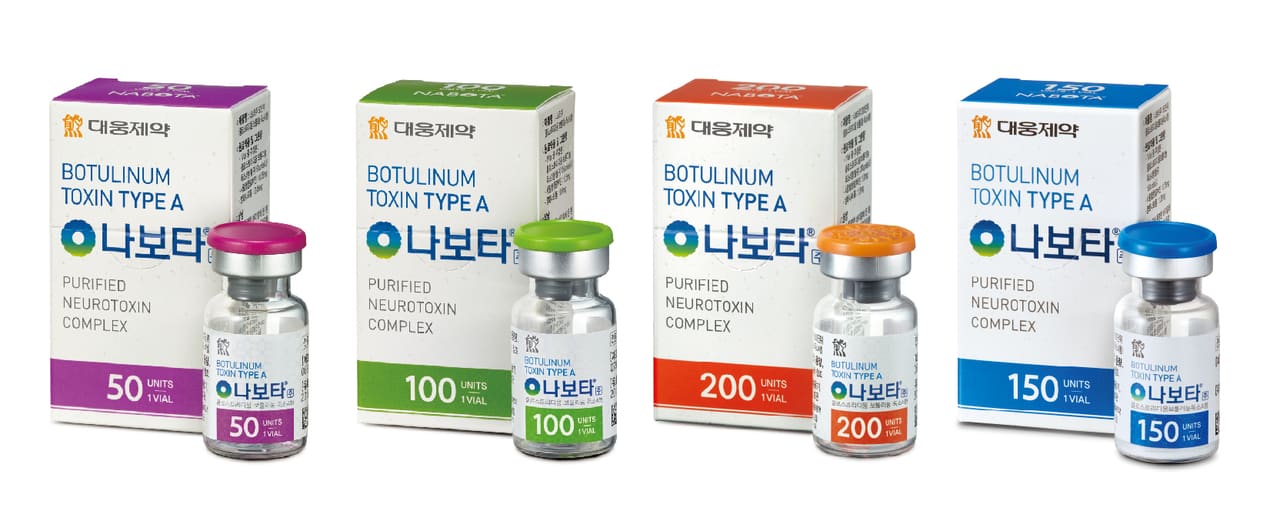
Nabota now operates across seven Middle Eastern markets, marking the widest footprint among South Korean toxin brands in the region
KEY TAKEAWAYS
- ·Daewoong Pharmaceutical launched Nabota botulinum toxin in Kuwait this month, bringing its Middle East market count to seven including Saudi Arabia, UAE, and Egypt.
- ·The company claims the widest regional presence among South Korean botulinum toxin makers, though it has not disclosed revenue or sales volume data.
- ·Kuwait adds a smaller but affluent market with GCC-aligned regulations, testing Daewoong's ability to compete on distribution breadth rather than individual market depth.
Seventh Market in Strategic Region
Daewoong Pharmaceutical began distributing Nabota in Kuwait earlier this month, according to the company. The launch marks the seventh Middle Eastern country where the botulinum toxin is available commercially, following earlier entries into Saudi Arabia, the United Arab Emirates, Turkiye, Qatar, Egypt, and Bahrain.
The Seoul-based pharmaceutical manufacturer positions the expansion as a milestone for Korean botulinum toxin producers operating in the Middle East, a region where demand for aesthetic procedures has grown steadily over the past decade. Kuwait represents a relatively small but affluent market with established medical tourism infrastructure and regulatory frameworks aligned with Gulf Cooperation Council standards.
Asia's Aesthetic Export Push
South Korea's pharmaceutical sector has invested heavily in botulinum toxin development and international distribution since the mid-2010s, seeking to compete with established Western brands in both medical and cosmetic applications. Daewoong's Nabota received its first overseas regulatory approval in 2015 and has since pursued a strategy centered on emerging and mid-tier markets where pricing and local partnerships offer competitive advantages.
The Middle East has become a priority region for Asian aesthetic product makers. Disposable income levels in Gulf states, combined with cultural acceptance of cosmetic procedures and growing medical infrastructure, have attracted manufacturers from South Korea, China, and Japan. Nabota's presence in seven markets gives Daewoong a distribution advantage over domestic rivals, though the company has not disclosed sales volumes or revenue figures from the region.
Regulatory and Competitive Landscape
Botulinum toxin products face varying approval timelines across Middle Eastern countries. Kuwait's regulatory authority, part of the broader GCC pharmaceutical harmonization effort, typically requires clinical data and manufacturing facility inspections before granting market authorization. Daewoong has not specified whether Nabota received standard or expedited review in Kuwait.
The competitive environment includes both multinational pharmaceutical companies with long-established brands and newer entrants from Asia. Pricing strategies in the region often hinge on partnerships with local distributors and medical networks, as direct-to-consumer marketing remains restricted in most Gulf markets. Daewoong's expansion suggests the company has secured distribution agreements that meet local regulatory and commercial requirements.
Kuwait's aesthetic medicine market is smaller than those of Saudi Arabia and the UAE but benefits from cross-border patient flows and a concentration of private clinics in Kuwait City. The country's healthcare system has historically emphasized specialty services, and cosmetic procedures are predominantly delivered through private providers.
What the Expansion Signals
Daewoong's move into Kuwait reflects a broader pattern among Korean pharmaceutical exporters, which have increasingly targeted Middle Eastern markets as Western regulatory pathways remain lengthy and capital-intensive. The company's claim of regional leadership among Korean botulinum toxin makers is based on market count rather than revenue share, a metric that favors breadth over depth.
The next test for Nabota will be sustaining market share in countries where it has already launched. Botulinum toxin products face competition not only from other brands but also from counterfeit and unregulated products, a persistent issue in several Middle Eastern markets. Regulatory enforcement varies, and brand reputation often depends on partnerships with credible medical institutions.
For now, Daewoong's seven-country presence gives it a distribution network that can support regional marketing efforts and potentially streamline future launches in neighboring markets. Whether that translates into durable revenue growth will depend on factors the company has yet to disclose, including sales performance, pricing pressure, and the ability to navigate regulatory shifts across the region.
RELATED STORIES
Samsung and SK Hynix Turn Down KEPCO's Multibillion-Dollar Prepayment Demand
Cheng Wei-Lun · 4 min

LG Pivots to AI-Defined Vehicle Platform as Korea Chases China's Self-Driving Lead
Jun-ho Seo · 3 min

SK Hynix May Fast-Track Gwangju Fab Investment Alongside Yongin Expansion
Jun-ho Seo · 3 min

South Korea Taps Three Telecom Giants to Deliver Free AI Services Nationwide
Cheng Wei-Lun · 3 min
Spot something wrong? Email editor@briefasia.com. We log every correction publicly.