Asia · Business
Daewoo E&C Wins Contract Role in Mozambique's $30 Billion Rovuma LNG Project
South Korean contractor joins global consortium to deliver Phase 1 infrastructure for ExxonMobil-led gas development on Africa's east coast
KEY TAKEAWAYS
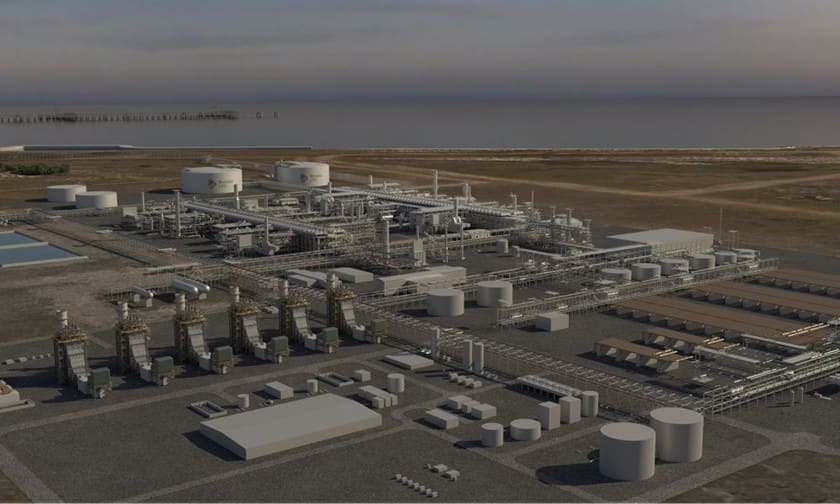
- ·Daewoo Engineering & Construction received a letter of intent from ExxonMobil for the Rovuma LNG Phase 1 project in Mozambique, valued at over USD 30 billion.
- ·The South Korean firm will work through the SMDC consortium with Italy's Saipem, US-based McDermott, and China's CPECC to build 15.2 million tons per year of LNG capacity.
- ·First production is targeted for 2031, with most output expected to supply Asian markets via shorter Indian Ocean shipping routes.
South Korean Contractor Enters East African Gas Market
Daewoo Engineering & Construction has secured a position in one of Africa's most anticipated energy projects after ExxonMobil Mozambique Limitada issued a letter of intent for the Rovuma LNG Phase 1 development, the company announced Friday. The Seoul-based contractor will participate through the SMDC joint venture, a consortium that brings together engineering capacity from four continents.
The selection places Daewoo E&C alongside Italy's Saipem, US-based McDermott, and China Petroleum Engineering & Construction Corporation (CPECC) in a partnership designed to handle the engineering, procurement, and construction demands of the liquefied natural gas facility. Daewoo E&C holds the prime contractor designation within the group.
Scale and Scope of the Rovuma Development
The Rovuma LNG project sits above the Rovuma Basin off Mozambique's northern coast, where offshore gas reserves are estimated at more than 85 trillion cubic feet. ExxonMobil operates the Area 4 concession in partnership with Eni, China National Petroleum Corporation, Galp Energia, and state-owned Empresa Nacional de Hidrocarbonetos.
Phase 1 of the project is designed to produce 15.2 million tons of LNG per year from two liquefaction trains. The letter of intent issued to the SMDC consortium covers preliminary engineering work ahead of a full engineering, procurement, and construction contract expected later this year. Industry observers estimate the total Phase 1 capital expenditure will exceed USD 30 billion, making it one of the largest energy infrastructure investments in sub-Saharan Africa.
The facility will include onshore liquefaction trains, gas processing units, storage tanks, and a marine terminal capable of accommodating LNG carriers up to 266,000 cubic meters. Natural gas will be piped from subsea wells located approximately 40 kilometers offshore to the onshore facility near Palma in Cabo Delgado province.
Strategic Implications for Asian Contractors
Daewoo E&C's involvement reflects the growing presence of Asian engineering firms in Africa's energy sector. The company has built LNG infrastructure in Australia, the Middle East, and Southeast Asia, including participation in the Ichthys LNG project in Darwin and the Wheatstone LNG development in Western Australia.
The SMDC consortium structure mirrors arrangements used on other mega-projects where risk, capital, and technical expertise are distributed across multiple international partners. Saipem brings offshore pipeline and subsea experience, McDermott contributes modular construction capabilities, and CPECC adds large-scale fabrication capacity. Daewoo E&C's role as prime contractor gives it coordination responsibility and visibility in a project that could open doors to additional African opportunities.
Mozambique's LNG ambitions have faced delays since the discovery of gas reserves in 2010. Security concerns in Cabo Delgado, where an insurgency disrupted TotalEnergies' separate USD 20 billion Mozambique LNG project in 2021, remain a factor. ExxonMobil's decision to move forward signals confidence in improved security conditions and the viability of the export market.
Asia's LNG Appetite and Supply Dynamics
The timing aligns with Asia's continued demand for LNG. Japan, South Korea, China, and India together account for more than 60 percent of global LNG imports. South Korea imported 47.6 million tons of LNG in 2025, and government projections show demand holding steady through 2030 despite renewable energy expansion.
Mozambique's geographic position on the Indian Ocean offers shorter shipping routes to Asian buyers compared to suppliers in the Atlantic Basin. ExxonMobil has indicated that a significant portion of Rovuma LNG output is expected to flow to Asian markets under long-term contracts, with pricing linked to regional benchmarks.
The project also represents a test case for African energy infrastructure at a time when international financing for fossil fuel projects faces scrutiny. Mozambique's government has framed LNG revenues as essential for economic development, with projected royalties and taxes expected to exceed USD 90 billion over the life of the Area 4 concession.
What Comes Next
The letter of intent allows preliminary engineering to begin while final contract terms are negotiated. A final investment decision by ExxonMobil and its partners is anticipated in the fourth quarter of 2026, with first LNG production targeted for 2031. The timeline depends on finalizing financing, securing equipment orders, and maintaining stable operating conditions in northern Mozambique.
For Daewoo E&C, the Rovuma project offers a foothold in Africa's emerging LNG sector and a reference for future bids in Senegal, Tanzania, and other gas-rich markets on the continent. The SMDC consortium's ability to execute on schedule and budget will be closely watched by energy majors planning similar developments across the region.
RELATED STORIES
SK Innovation Secures First Condensate Cargo from Australia's Barossa Field
Cheng Wei-Lun · 2 min
Indonesia's $21 Billion Masela LNG Project Anchors Asian Energy Alliance
Priyanka V. Rao · 4 min
Singapore Needs Regional Integration to Maintain Competitive Edge, Think Tank Says
Lim Hui Ying · 3 min
Russia-China Gas Pipeline Talks Stall Over Price Dispute
Cheng Wei-Lun · 2 min
Spot something wrong? Email editor@briefasia.com. We log every correction publicly.