Asia · Trade
Russia-China Gas Pipeline Talks Stall Over Price Dispute
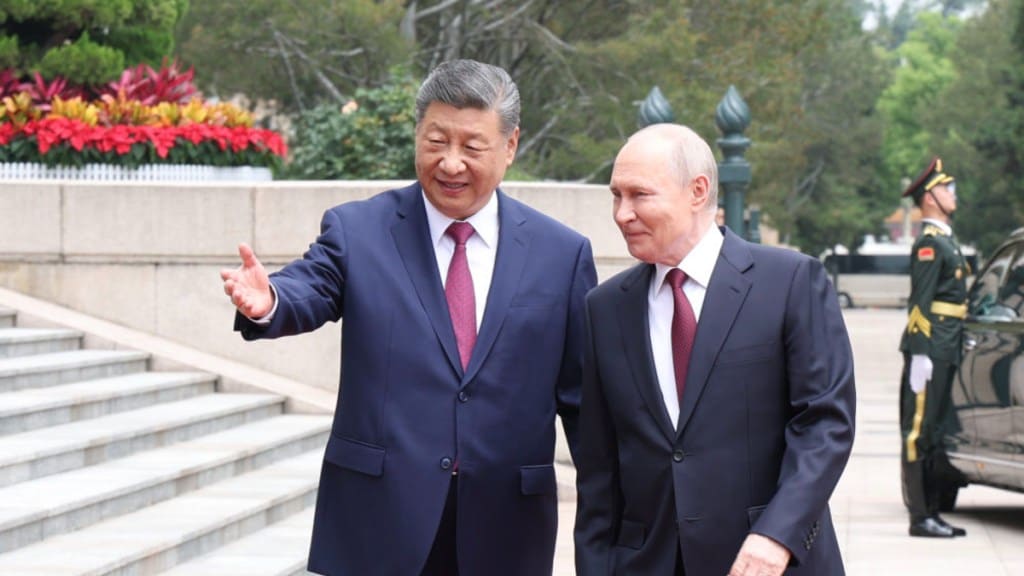
Beijing has asked Moscow to halt discussion of the Power of Siberia 2 project as the two sides remain far apart on commercial terms
KEY TAKEAWAYS
- ·Talks over the Power of Siberia 2 gas pipeline have deadlocked, with China asking Russia to halt discussion of the project due to unresolved pricing disagreements.
- ·The impasse exposes commercial limits to the Russia-China partnership despite political rhetoric of cooperation without boundaries since early 2022.
- ·No construction timeline or deal framework exists, leaving the pipeline's future dependent on shifts in energy markets or geopolitical calculations by both sides.
Negotiations Freeze
The Power of Siberia 2 natural gas pipeline, designed to connect Russian supply with Chinese demand, has encountered a serious obstacle. Talks between Moscow and Beijing have effectively stalled, with the pricing gulf between the two nations proving too wide to bridge in current discussions.
China has taken the unusual step of requesting that Russia cease bringing up the project in bilateral conversations, according to people familiar with the negotiations. Neither government has officially canceled the pipeline, but the absence of any construction timeline or deal framework signals that the project has moved to the back burner.
The impasse stands in sharp contrast to the public rhetoric of the Russia-China partnership, which both governments have characterized as having "no limits" since early 2022. That declaration, made weeks before Russia's invasion of Ukraine, suggested the two powers would deepen economic and strategic coordination across all sectors.
The Commercial Reality
Energy infrastructure projects of this scale typically require alignment on long-term pricing formulas, volume commitments, and risk-sharing arrangements. The current deadlock suggests fundamental disagreement on these commercial parameters rather than technical or logistical concerns.
Russia, facing reduced access to European gas markets since 2022, has strong incentive to diversify its export routes eastward. The existing Power of Siberia pipeline, which began deliveries to China in late 2019, runs from eastern Siberian fields to northeastern China. The proposed Power of Siberia 2 would tap western Siberian reserves and traverse Mongolia before entering China.
China, meanwhile, has expanded its liquefied natural gas import capacity and developed domestic shale gas resources over the past five years. This diversification has strengthened Beijing's negotiating position with pipeline suppliers, allowing it to resist pricing terms it considers unfavorable.
Strategic Implications
The standoff over Power of Siberia 2 reveals the limits of political alignment when commercial interests diverge. While Moscow and Beijing share geopolitical objectives in challenging Western influence, their economic relationship remains transactional rather than integrated.
Russian energy exports to China have grown substantially since 2022, but largely through existing infrastructure and spot market purchases. New long-term commitments require pricing that works for both sides over decades, a higher bar than short-term political convenience.
For Russia, the pipeline would represent a crucial hedge against dependence on a shrinking set of energy customers. For China, locking in expensive gas supplies when global markets remain well-supplied carries little appeal, regardless of diplomatic considerations.
The lack of progress on Power of Siberia 2 also affects Mongolia, which would earn transit fees if the pipeline follows the planned route through its territory. Ulaanbaatar has limited leverage to accelerate a deal between its two large neighbors.
What Comes Next
With no active negotiation timeline, the project's future depends on shifts in either energy market fundamentals or geopolitical calculations. A sustained rise in Asian gas prices could narrow the gap between Russian asking prices and Chinese willingness to pay. Alternatively, further erosion of Russia's bargaining position in global energy markets might eventually prompt Moscow to accept terms closer to Beijing's preferences.
For now, the pipeline remains a symbol of the gap between strategic declarations and economic reality in the Russia-China relationship. Political rhetoric about limitless partnership has not translated into the commercial alignment needed to move major infrastructure projects from blueprint to construction.
RELATED STORIES
Malaysia's Rare Earth Deposits Draw Foreign Interest Ahead of China Export Controls
Priyanka V. Rao · 3 min

Honda Demands 30% Price Cuts From Suppliers in $9.4 Billion Cost Plan
Cheng Wei-Lun · 3 min

Beijing Warns Domestic EV Makers Against Overseas Price Wars
Cheng Wei-Lun · 3 min

Volkswagen Probes Chinese Supplier After Hundreds of New Graduates Dismissed
Cheng Wei-Lun · 3 min
Spot something wrong? Email editor@briefasia.com. We log every correction publicly.