Finance · Deals
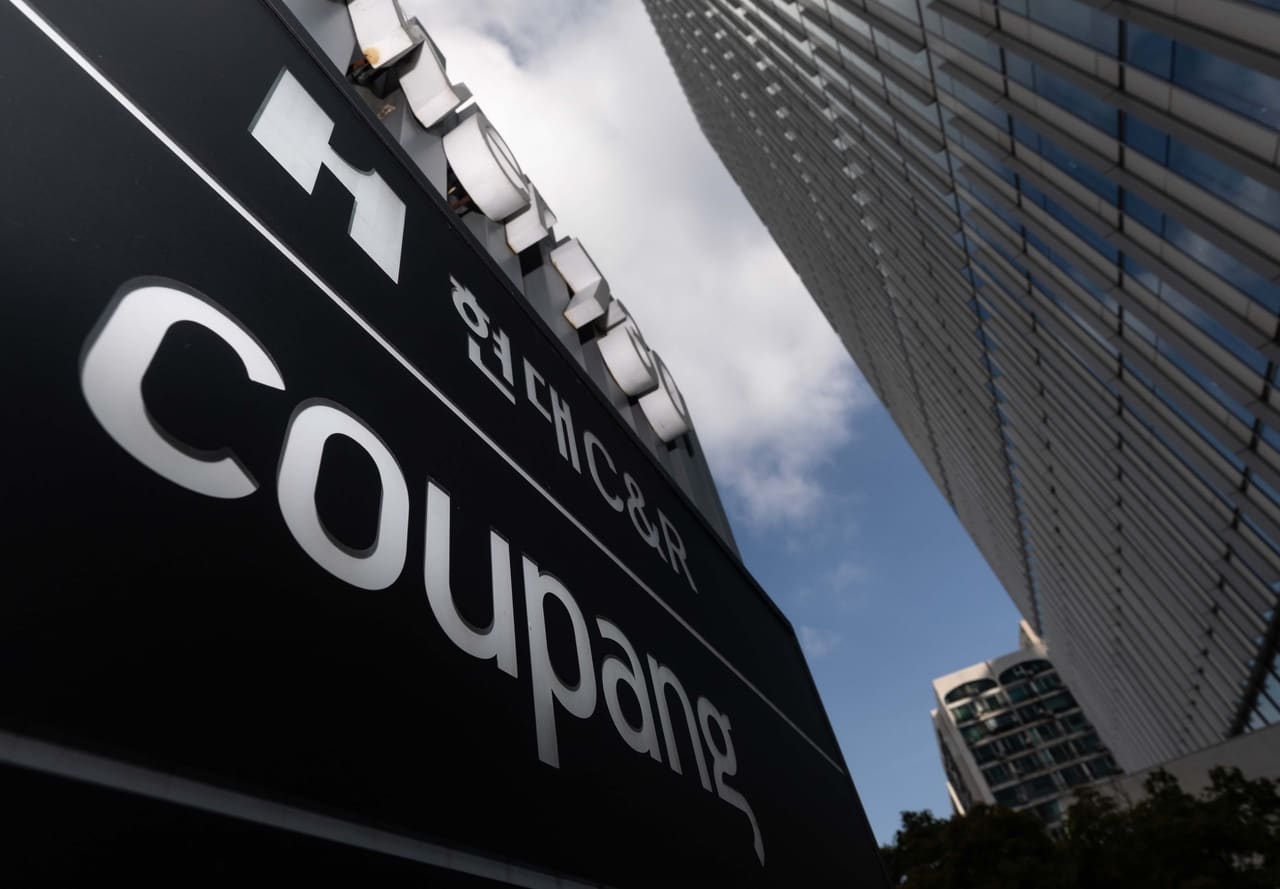
Coupang Reports $570 Million Loss After Data Breach Penalties
South Korea's dominant e-commerce player posted its first quarterly loss in over a year as regulatory fines from customer information exposure erased profitability
KEY TAKEAWAYS
- ·Coupang recorded a net loss of 865 billion won in Q2 2026, reversing a 43.5 billion won profit from the prior year, due to regulatory fines from a customer data breach.
- ·The penalties highlight South Korea's aggressive enforcement of data protection laws, with fines reaching up to three percent of annual revenue for serious violations.
- ·The incident complicates Coupang's regional expansion plans and signals rising regulatory risk for e-commerce platforms across Asia.
From Profit to Deep Red
Coupang Inc., the Seattle-listed company that dominates South Korean online retail, recorded a net loss of 865 billion won ($570 million) for the quarter ending June 30, the company disclosed Wednesday. The result marks a sharp reversal from the 43.5 billion won profit the platform reported in the same period of 2025.
The swing into negative territory stems almost entirely from regulatory penalties tied to a large-scale breach of customer information. Coupang has drawn intense criticism from consumers and lawmakers since details of the incident emerged, forcing the company to navigate both financial and reputational damage in one of Asia's most connected markets.
The loss underscores how data security lapses can erase quarters of operational gains in markets where regulators have grown increasingly willing to levy substantial fines. South Korea's Personal Information Protection Commission has taken a harder line on privacy violations over the past two years, reflecting broader regional trends as governments in Singapore, Japan and Hong Kong tighten enforcement.
Scale of the Breach and Regulatory Response
While Coupang has not publicly detailed the number of affected users, the size of the fine suggests the incident involved a significant portion of its customer base. The platform serves tens of millions of households across South Korea, many of whom rely on its next-day and same-day delivery infrastructure for groceries, electronics and household goods.
South Korean data protection law allows regulators to impose fines of up to three percent of a company's annual revenue for serious violations, and the Personal Information Protection Commission has shown willingness to use that authority. The penalties levied against Coupang appear to be among the largest ever imposed on a single company in the country, signaling that authorities view the breach as a systemic failure rather than an isolated lapse.
The company has faced sustained public backlash since the breach came to light. Social media platforms and online forums have been filled with customer complaints, and several consumer advocacy groups have called for boycotts. Trust in digital platforms remains fragile in South Korea despite the country's high internet penetration, and incidents involving personal data tend to generate swift and vocal responses.
Operational Performance Obscured
The fine makes it difficult to assess Coupang's underlying business health. The company generates the vast majority of its revenue from South Korea, where it competes with Naver, SSG.com and a growing number of quick-commerce startups. Its membership program, Rocket Wow, has been a key driver of customer retention, and the platform has expanded into fresh food, restaurant delivery and video streaming.
Before accounting for the penalty, Coupang's core e-commerce operations likely remained profitable, though the company has not broken out adjusted earnings that exclude the one-time charge. Revenue growth has slowed from the pandemic-era surge, but the platform continues to capture a significant share of online spending in categories ranging from beauty products to consumer electronics.
The loss also arrives as Coupang pursues expansion beyond its home market. The company has invested in logistics infrastructure in Taiwan and has explored opportunities in Southeast Asia, though it remains far smaller than regional giants such as Shopee and Lazada in those markets. Any sustained damage to its brand in South Korea could complicate efforts to build trust elsewhere.
Regulatory Pressure Across Asia
Coupang's experience reflects a broader shift in how Asian regulators approach data governance. Singapore's Personal Data Protection Commission fined several companies in 2025 for inadequate security measures, while Japan's Personal Information Protection Commission has increased audit frequency for platforms handling sensitive consumer information. Hong Kong's Privacy Commissioner has also stepped up enforcement, particularly for cross-border data transfers.
The trend mirrors developments in Europe, where the General Data Protection Regulation has set a high bar for penalties, but Asian regulators are crafting their own frameworks rather than simply copying Western models. South Korea's approach emphasizes both financial penalties and public disclosure, a combination designed to create reputational costs alongside monetary ones.
For investors, the Coupang case serves as a reminder that regulatory risk in Asia extends beyond traditional concerns such as antitrust or content moderation. Data security has become a material financial issue, capable of wiping out an entire quarter's earnings or more. Companies operating across multiple Asian jurisdictions face the added complexity of navigating different standards and enforcement philosophies.
Investor and Analyst Reactions
Coupang's share price has declined since the breach became public, though the stock remains above its 2021 initial public offering price. Analysts have noted that the company's long-term growth trajectory depends on its ability to restore consumer confidence and avoid future incidents. Some have downgraded their ratings, citing uncertainty around both the regulatory outlook and potential customer churn.
The company has not provided updated guidance for the remainder of 2026, leaving investors to speculate about whether the breach will have lasting effects on user engagement and order frequency. Customer acquisition costs could rise if Coupang needs to invest heavily in marketing to rebuild trust, and any additional regulatory scrutiny could slow product launches or geographic expansion.
What Comes Next
Coupang has pledged to strengthen its data security infrastructure and has brought in external consultants to audit its systems. The company has also offered affected customers credit monitoring services and other remediation measures, though it remains unclear whether these steps will be sufficient to prevent further regulatory action or class-action lawsuits.
The incident is likely to prompt other e-commerce platforms across Asia to review their own security protocols. Regulators in the region have signaled that they will not tolerate lax data handling, and the financial consequences of non-compliance are now impossible to ignore. For Coupang, the path back to profitability will require not only operational discipline but also a sustained effort to rebuild the trust that made it South Korea's most dominant online retailer.
RELATED STORIES

KT&G Posts Fourth Consecutive Quarter of Double-Digit Profit Growth
Cheng Wei-Lun · 3 min
South Korean Retail Investors Pivot to US Leveraged ETFs After Domestic Crackdown
Cheng Wei-Lun · 3 min
South Korea's Pension Giant Faces Questions Over Market Timing
Jun-ho Seo · 3 min
Seoul Market Climbs on Tech Rally After US Jobs Data
Cheng Wei-Lun · 3 min
Spot something wrong? Email editor@briefasia.com. We log every correction publicly.