Lifestyle · Luxury
Chinese Luxury Brands Use Southeast Asia as Overseas Testing Ground
From Bangkok pop-ups to regional malls, mainland fashion labels are building export momentum in Asia's emerging markets before tackling Western capitals.
KEY TAKEAWAYS
- ·Chinese handbag brand Songmont opened its first overseas location in Bangkok's CentralWorld, choosing Southeast Asia over established fashion capitals for initial international expansion.
- ·The region offers cultural proximity, digital infrastructure similar to China, and lower capital requirements compared to Western luxury markets, making it an efficient testing ground.
- ·Success in Southeast Asian pop-ups and permanent stores will determine whether Chinese luxury brands pursue further international expansion into Australia, Middle East, and Western markets.
Bangkok as Entry Point
A 29-year-old shopper from India walked into Songmont's Bangkok pop-up wearing bright yellow suede trainers that required a transshipment route through London just to reach him. The shoes, made by Shanghai designer Pane, represented more than a fashion statement. They illustrated the lengths consumers will go to access Chinese brands that are only beginning to establish international presence.
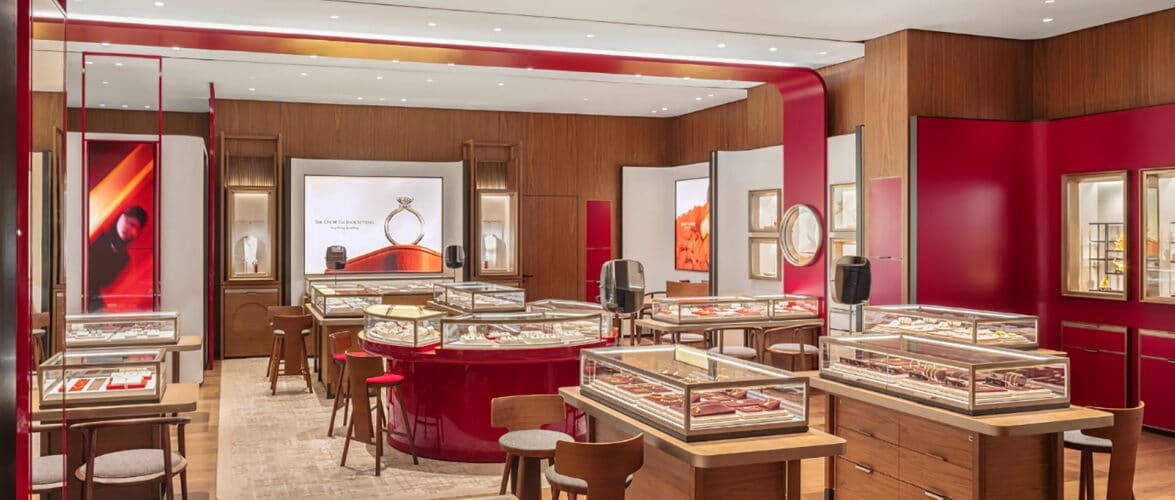
Songmont opened its first location outside China at CentralWorld, Bangkok's flagship shopping complex. The handbag brand chose Thailand over Tokyo, Singapore, or Western fashion capitals. That decision reflects a broader pattern: Southeast Asia has become the preferred laboratory for Chinese luxury and premium brands testing international waters.
The region offers advantages that more established luxury markets cannot. Cultural proximity means mainland design sensibilities translate with minimal adaptation. Digital payment infrastructure mirrors China's mobile-first ecosystem. And crucially, the risk profile remains manageable. A pop-up failure in Bangkok carries different stakes than a flagship stumble on Fifth Avenue or Bond Street.
Regional Familiarity Lowers Barriers
Southeast Asian consumers already encounter Chinese brands through cross-border e-commerce platforms. Shoppers in Jakarta, Manila, and Ho Chi Minh City browse Taobao and Tmall Global, building familiarity with mainland labels years before physical stores arrive. This digital groundwork reduces the brand-awareness gap that typically confronts new entrants in foreign markets.
The fashion categories making early moves skew toward accessible luxury rather than ultra-premium. Handbags, footwear, and contemporary streetwear dominate initial overseas pushes. Price points sit below European heritage houses but above fast fashion, targeting the expanding middle and upper-middle classes across ASEAN economies.
Thailand's position as regional retail hub adds strategic value. CentralWorld and Siam Paragon attract not only Thai shoppers but also tourists from neighboring countries. A single Bangkok location generates visibility across multiple Southeast Asian markets simultaneously, offering efficient brand exposure that would require several stores to replicate elsewhere.
Transshipment Demand Signals Opportunity
The Indian shopper's London-routed delivery points to unmet demand. When consumers engineer complex logistics to acquire products, they signal market opportunity. Chinese brands recognize this pattern. Southeast Asia concentrates these signals in a geography that shares time zones, cultural references, and increasingly integrated supply chains with mainland production bases.
Logistics within Asia also favor Chinese exporters. Shipping times from Shenzhen or Shanghai to Bangkok run days rather than weeks. Inventory can respond to demand fluctuations faster than trans-Pacific or trans-Atlantic routes allow. For brands still calibrating international product mix and sizing, this responsiveness matters.
The testing-ground approach extends beyond retail presence. Marketing strategies, customer service models, and after-sales support all undergo real-world trials in Southeast Asian markets before scaling to more expensive and competitive regions. Lessons learned in Bangkok inform later entries into Sydney, London, or New York.
Capital Efficiency Drives Geography
Opening in Southeast Asia requires less capital than launching in established luxury corridors. Rent, staffing, and marketing costs run substantially lower. For brands funded by venture capital or private equity, this efficiency matters. Early international revenue can be generated without the burn rate that accompanies Rodeo Drive or Ginza addresses.
The pop-up format itself reflects capital discipline. Temporary locations test market response without long-term lease commitments. If traffic and conversion meet projections, permanent stores follow. If not, the brand retreats without significant sunk costs. This iterative approach suits companies still refining international playbooks.
Chinese luxury exports also benefit from manufacturing proximity. Many brands produce in Guangdong, Zhejiang, or Jiangsu provinces. Southeast Asian markets sit within the same manufacturing and logistics ecosystem, reducing complexity compared to serving distant Western markets. Component sourcing, quality control, and rapid restocking all become simpler when stores and factories share regional infrastructure.
What Comes Next
The Bangkok experiment will inform whether Chinese luxury brands can build sustainable international businesses or remain primarily domestic players. Early indicators matter. Foot traffic, conversion rates, average transaction values, and repeat purchase behavior in Southeast Asian stores will shape capital allocation decisions for the next wave of expansion.
If the regional testing ground delivers, expect accelerated openings across ASEAN capitals. Kuala Lumpur, Singapore, Jakarta, and Manila represent logical next steps. Success in these markets builds credibility for eventual moves into Australia, the Middle East, and eventually Europe and North America.
For now, Southeast Asia serves as the bridge between domestic dominance and global ambition. The region's consumers, infrastructure, and risk profile align with what Chinese brands need at this stage of internationalization. Whether that translates into lasting overseas success remains an open question, but the testing phase is well underway.
RELATED STORIES

China's EV Makers Ship One Out of Every Three Cars Overseas as Domestic Demand Cools
Cheng Wei-Lun · 3 min
WeRide Eyes Regional Push Across Australia and Asia-Pacific Markets
Cheng Wei-Lun · 2 min
China-ASEAN Trade Jumps to $643 Billion in First Half of 2026
Cheng Wei-Lun · 3 min
China's Electric Truck Exports Surge as Fuel Costs Rise Across Asia
Cheng Wei-Lun · 3 min
Spot something wrong? Email editor@briefasia.com. We log every correction publicly.