Technology · AI
Chinese Beauty Brands Turn to AI as Competition Intensifies
Domestic cosmetics makers deploy artificial intelligence tools to narrow the gap with global players in product development and consumer engagement
KEY TAKEAWAYS
- ·Chinese cosmetics manufacturers are deploying AI tools to accelerate product development and analyze consumer data in real time across digital retail platforms.
- ·The technology enables domestic brands to compete on innovation speed and localization rather than price alone in a market dominated by multinational players.
- ·Adoption remains uneven due to capital requirements, talent shortages, and regulatory constraints on data usage and marketing claims.
Bridging the Innovation Divide
China's domestic beauty companies are integrating artificial intelligence into their operations as they work to match the research capabilities and market sophistication of multinational rivals. The shift comes as local brands seek to defend market share in a sector where foreign names have historically dominated premium segments.
Cosmetics manufacturers across Shanghai, Guangzhou, and Shenzhen are deploying machine learning algorithms to analyze consumer preferences, predict trend cycles, and streamline formulation testing. The technology is reducing the timeline from concept to shelf, a critical advantage in an industry where product lifecycles have compressed dramatically over the past five years.
Several mid-tier Chinese beauty firms have partnered with domestic AI labs to build proprietary systems that process social media data, e-commerce reviews, and livestream engagement metrics. These platforms identify emerging ingredient preferences and packaging aesthetics faster than traditional focus groups, allowing brands to iterate on product lines within weeks rather than quarters.
Digital Retail as Testing Ground
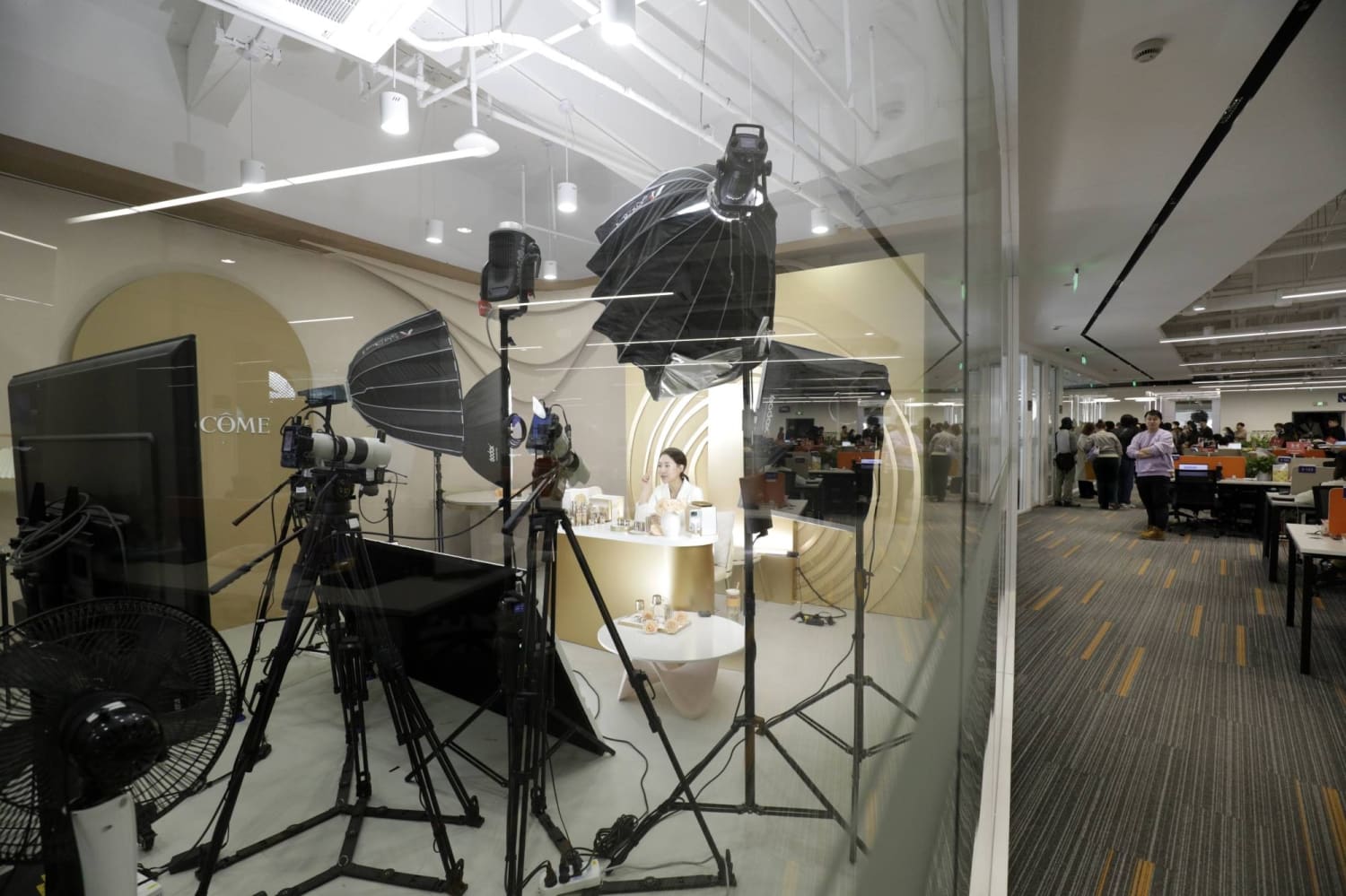
The integration extends beyond product development into customer-facing channels. Livestreaming studios in Shanghai now use AI-powered recommendation engines that adjust product pitches in real time based on viewer comments and purchase patterns during broadcast sessions. Digital retailers report that these systems increase conversion rates by tailoring messaging to specific demographic segments within a single stream.
Virtual try-on tools, already common among international brands, are being refined by Chinese companies to accommodate regional skin tone variations and makeup styles. One Guangzhou-based firm recently launched an AI skincare advisor that combines facial analysis with climate data to suggest routines adapted to seasonal pollution levels and humidity shifts across different Chinese cities.
The technology also supports supply chain decisions. Predictive analytics help manufacturers adjust production volumes and ingredient sourcing based on anticipated demand, reducing waste in an industry where overproduction has been a persistent issue.
Competing on Speed and Localization
For Chinese beauty brands, AI represents a path to compete on dimensions beyond price. While domestic companies have historically undercut foreign competitors on cost, rising consumer expectations and premiumization trends have made innovation speed and cultural relevance more decisive factors.
Local firms argue their advantage lies in access to China's vast consumer data ecosystem and closer proximity to manufacturing hubs. AI tools allow them to translate regional preferences into finished products faster than multinationals constrained by global approval processes and centralized R&D structures.
The approach has shown results in categories like skincare, where Chinese brands have gained ground in the mass and masstige segments. Several domestic names now appear regularly in top-selling rankings on Tmall and Douyin, platforms where AI-driven personalization and influencer partnerships drive significant volume.
Regulatory and Talent Hurdles
Adoption is not uniform. Smaller brands lack the capital to build or license sophisticated AI systems, creating a bifurcation between well-funded players and regional manufacturers still reliant on manual processes. Industry observers note that the technology's benefits accrue disproportionately to companies with existing scale and data infrastructure.
Regulatory considerations also loom. China's evolving data privacy framework requires careful handling of consumer information, and cosmetics firms must navigate rules governing both AI deployment and product safety claims. Brands that overstate AI-generated benefits risk enforcement action from regulators tightening oversight of marketing language.
Talent remains a bottleneck. The intersection of cosmetic science and machine learning is a niche skill set, and competition for qualified personnel has intensified as more companies launch AI initiatives. Some firms are training existing staff in data analytics, while others recruit from technology companies outside the beauty sector.
Market Implications
The AI push reflects broader pressures in China's beauty market. Domestic consumption has plateaued in some categories, and brands face intensifying competition from both established multinationals and a wave of indie startups. Differentiation through technology offers a narrative that resonates with younger consumers who prioritize innovation and digital integration.
International brands operating in China are watching closely. Several have accelerated their own AI investments in the region, viewing it as essential to maintaining relevance with digitally native shoppers. The result is an arms race in algorithmic sophistication, with both local and foreign players pouring resources into systems that promise marginal gains in conversion and retention.
Whether AI delivers sustained competitive advantage or becomes table stakes remains uncertain. Early adopters report measurable improvements in specific metrics, but the technology has yet to produce breakout products that redefine categories. For now, Chinese beauty companies are betting that faster iteration and deeper consumer insight will translate into market share gains in a sector where momentum can shift quickly.
RELATED STORIES
LG Pivots to AI-Defined Vehicle Platform as Korea Chases China's Self-Driving Lead
Jun-ho Seo · 3 min
China Scrubs 5.6 Million AI-Generated Posts in Platform Cleanup
Cheng Wei-Lun · 3 min
Arm Unveils Mobile Compute Platform Targeting China's AI Handset Sector
Tran Quoc Bao · 3 min

China's Auto Chip Race Shifts to Volume as Horizon Robotics Crosses 15 Million Units
Jun-ho Seo · 3 min
Spot something wrong? Email editor@briefasia.com. We log every correction publicly.