Asia · Business
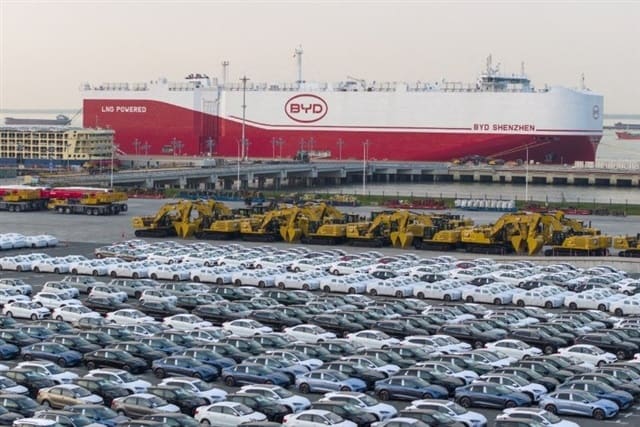
Chinese Automakers Capture Quarter of Europe's Midsize SUV Market
Battery-electric demand drives Chinese brands to 25% share as Europe's SUV segment nearly triples in four years
KEY TAKEAWAYS
- ·Chinese automakers captured approximately 25% of Europe's midsize and large SUV market in the first five months of 2026, as total registrations reached 476,000 units.
- ·The segment nearly tripled in size over four years, driven by battery-electric vehicle adoption and consumer shift toward higher-riding platforms.
- ·Tesla's Model Y remained the best-selling individual model, while European legacy brands face intensifying pressure from Chinese entrants offering competitive pricing and electric architectures.
Market Expansion Accelerates
Europe's midsize and large SUV segment recorded 476,000 new-car registrations during the first five months of 2026, representing close to a threefold increase from the corresponding period in 2022. The expansion reflects broader consumer migration toward higher-riding vehicles and accelerating adoption of battery-electric powertrains across the continent.
Chinese manufacturers now hold approximately 25% of this segment, a sharp climb from negligible market presence just four years ago. The shift marks one of the most significant competitive realignments in European automotive retail this decade, as established European, American, Japanese, and South Korean brands adapt to intensifying pressure from new entrants.
Tesla Maintains Top Position
Tesla's Model Y retained its position as the single best-selling model in the category through May 2026. The crossover's dominance underscores the central role of battery-electric vehicles in driving overall segment growth, as regulatory tailwinds and expanding charging infrastructure continue to reshape buyer preferences across major European markets.
The Model Y's success also highlights the segment's evolution from a niche dominated by premium internal-combustion models to a mainstream battleground where electric platforms increasingly define competitive advantage. European legacy automakers have responded with their own battery-electric SUV launches, though market-share data suggests Chinese brands are capturing a disproportionate share of incremental demand.
Competitive Dynamics Shift
The rapid rise of Chinese players reflects a combination of aggressive pricing, fast product cycles, and early commitment to electric architectures. Brands entering Europe over the past three years have targeted the midsize SUV segment as a beachhead, leveraging manufacturing scale and battery supply-chain integration to undercut incumbent pricing while offering comparable or superior range and technology features.
European manufacturers face a dual challenge: defending share in a segment they once controlled while transitioning legacy production lines to electric platforms amid tightening emissions standards. The 2026 registration data suggests that transition is proceeding unevenly, with some established brands losing ground faster than anticipated.
Japanese and South Korean automakers occupy a middle position, maintaining stable share through hybrid and plug-in hybrid offerings that appeal to buyers hesitant to commit fully to battery-electric vehicles. However, their long-term positioning remains uncertain as regulatory frameworks across the European Union increasingly favor zero-emission powertrains.
Regional Implications
The competitive shift carries implications beyond Europe. Chinese automakers' success in one of the world's most demanding automotive markets strengthens their global credibility and provides a template for expansion into other developed regions. Southeast Asian markets, where Chinese brands have also gained traction, are watching Europe's experience closely as they evaluate their own industrial policy responses.
For European policymakers, the data underscores tensions between climate objectives and industrial strategy. While battery-electric vehicle adoption aligns with decarbonization targets, the outsized role of Chinese manufacturers in delivering that adoption raises questions about supply-chain resilience, trade policy, and the future of domestic automotive employment.
The midsize SUV segment's trajectory through the remainder of 2026 will test whether European brands can stabilize their position or whether Chinese players continue to gain share as production scales and model lineups expand. Registration data from key markets including Germany, France, and the United Kingdom in the second half of the year will provide critical signals for investors and policymakers alike.
RELATED STORIES
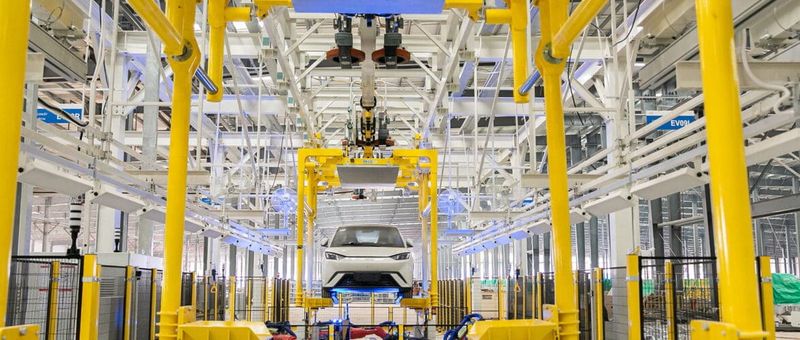
BYD Sets Sights on 2 Million Overseas Sales in 2026 After Brazil, Europe Surge
Cheng Wei-Lun · 3 min
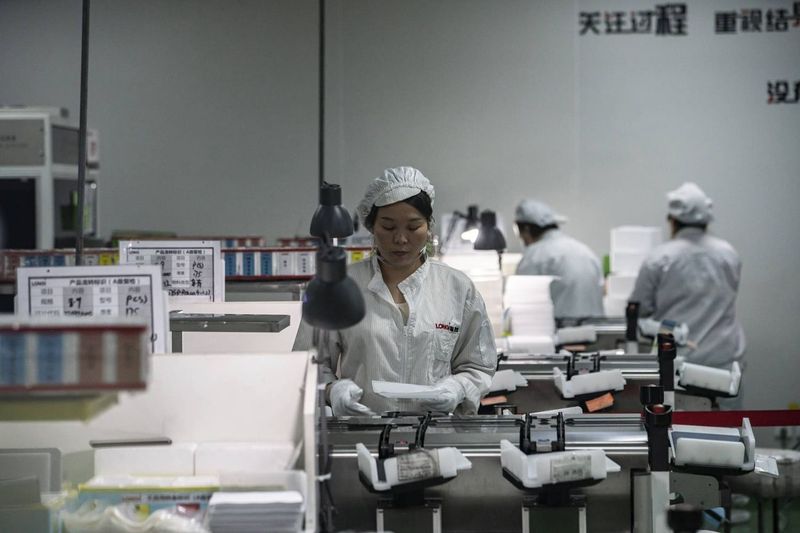
China Imposes Anti-Dumping Measures on Japanese Semiconductor Chemical Imports
Jun-ho Seo · 3 min
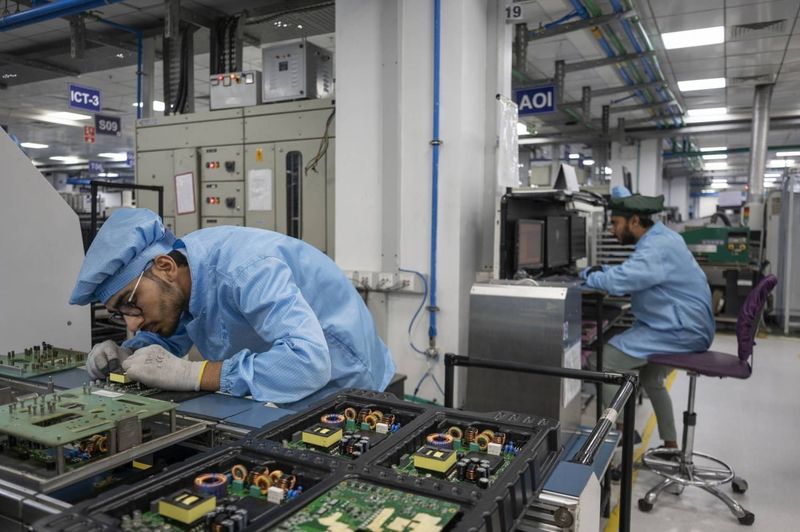
India's Chinese Import Bill Climbs Despite Self-Reliance Push
Priyanka V. Rao · 3 min
China's August Inflation Accelerates on Energy and Typhoon Disruption
Tran Quoc Bao · 2 min
Spot something wrong? Email editor@briefasia.com. We log every correction publicly.