Asia · Business
China Shifts Manufacturing Strategy as Export Model Faces Constraints
Manufacturers pivot toward overseas factory investments as domestic demand weakens and trade barriers rise
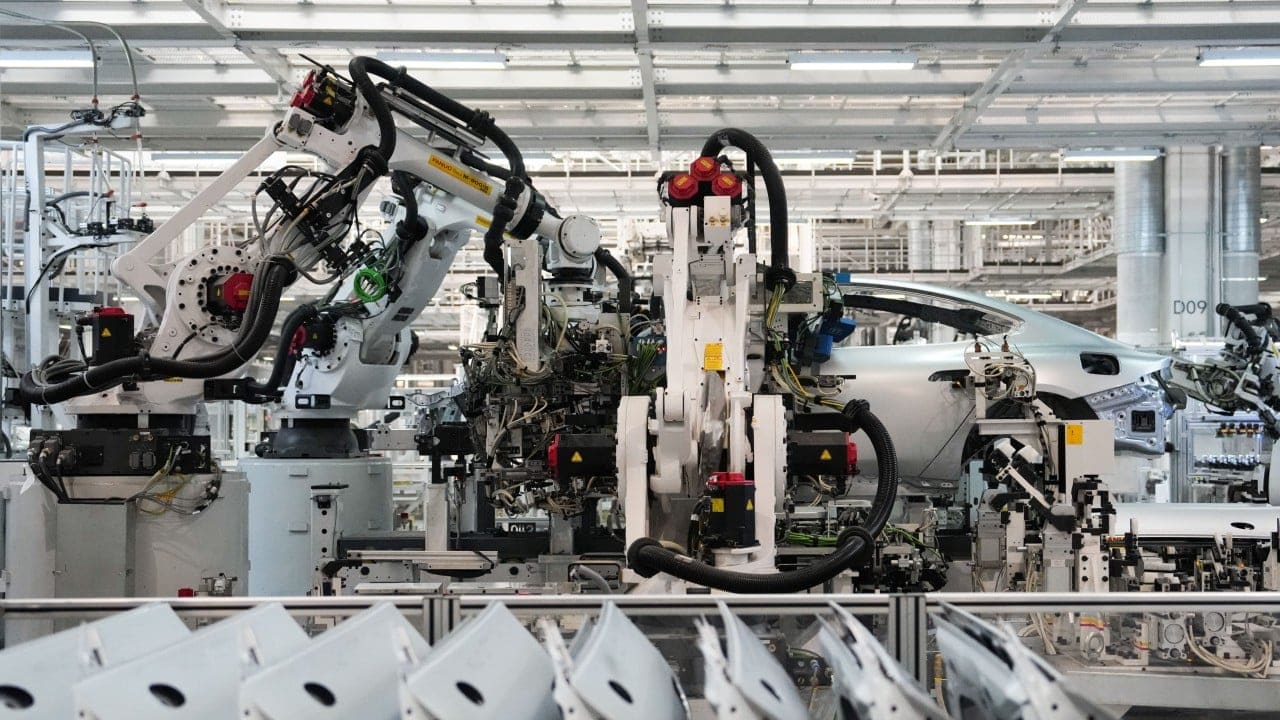
KEY TAKEAWAYS
- ·Chinese manufacturers are relocating production to Southeast Asia and other regions to avoid tariffs and access new markets as domestic demand stalls.
- ·Outbound manufacturing investment into ASEAN has risen sharply, concentrated in electronics, automotive components, textiles, and battery production.
- ·The shift allows Chinese firms to maintain market access but raises questions about technology transfer and long-term control over global supply chains.
The Pivot Point
China's manufacturing engine is recalibrating. After decades of flooding global markets with finished goods, the country's industrial base is now exploring a different path: moving production capacity offshore. The shift comes as the traditional export model collides with mounting trade barriers, softening domestic demand, and capacity constraints that have made it harder to squeeze growth from the existing playbook.
The economy's recent trajectory has underscored these pressures. Consumer confidence remains subdued, weighed down by an extended property sector downturn that has eroded household wealth and spending appetite. With domestic consumption unable to absorb the output of China's vast manufacturing infrastructure, overseas markets have shouldered an outsized role in sustaining industrial activity.
Trade Friction Accelerates the Timeline
Tariff walls and export controls have raised the cost of serving foreign markets from Chinese soil. The United States, European Union, and other major trading partners have imposed duties on a widening range of Chinese goods, from electric vehicles to solar panels and steel products. These measures have compressed margins for exporters and created incentives to establish production closer to end markets.
Southeast Asia has emerged as a primary destination for this outbound investment. Chinese manufacturers in sectors including electronics, textiles, and automotive components have opened facilities in Vietnam, Thailand, and Indonesia. The moves allow companies to sidestep tariffs, tap local labor markets, and position themselves within regional supply chains that feed into both developed and emerging economies.
Capital Flows Follow Industrial Logic
The scale of this reorientation is visible in foreign direct investment data. Chinese outbound manufacturing investment into ASEAN economies has climbed steadily over the past three years, with commitments concentrated in industrial parks and special economic zones that offer infrastructure, tax incentives, and proximity to ports.
Battery makers, appliance producers, and machinery firms have led the charge. Several major Chinese electric vehicle component suppliers have announced joint ventures or wholly owned plants in Thailand and Malaysia, aiming to serve automakers that are expanding production in the region. Textile and garment manufacturers, facing rising labor costs at home, have relocated capacity to Vietnam and Cambodia, where wage levels remain competitive and export quotas to Western markets are less constrained.
Technology and Brand Ambitions
Beyond labor arbitrage and tariff avoidance, some Chinese companies are using overseas expansion to build brand presence and technology partnerships. Establishing local production allows firms to cultivate relationships with regional distributors, comply with local content requirements, and signal commitment to markets that have grown wary of dependence on Chinese imports.
For technology-intensive sectors, the strategy also involves co-location with research and development operations. Chinese semiconductor equipment makers and advanced materials producers are setting up facilities in South Korea, Japan, and Singapore, seeking access to talent pools, intellectual property ecosystems, and customers that prefer locally sourced inputs.
Structural Implications for Asia
This wave of Chinese manufacturing investment is reshaping industrial geography across Asia. Countries that attract the capital gain employment, technology transfer, and integration into global value chains. But the influx also brings competition for domestic producers and questions about the degree of genuine technology spillover versus assembly operations that remain tightly controlled by Chinese parent companies.
Governments in recipient countries are calibrating their responses. Some have tightened screening of foreign investment in strategic sectors, while others have rolled out incentives to attract higher-value activities such as design, engineering, and advanced manufacturing. The balance between welcoming capital and safeguarding industrial development remains a live policy debate in capitals from Jakarta to Bangkok.
For China, the transition represents both opportunity and risk. Moving production offshore allows companies to preserve market access and maintain growth, but it also means ceding some control over supply chains and exposing technology to new competitive environments. The long-term outcome will depend on whether Chinese firms can leverage overseas operations to build durable global brands and innovation capabilities, or whether the moves prove to be defensive adjustments that delay but do not resolve underlying structural challenges.
The factory that once served the world from Chinese soil is now being replicated across borders. How effectively that model travels will shape the next chapter of Asian manufacturing and the region's economic integration.
RELATED STORIES
India's Chinese Import Bill Climbs Despite Self-Reliance Push
Priyanka V. Rao · 3 min

GAC and FAW Explore Merger of Toyota Joint Ventures in China
Cheng Wei-Lun · 3 min
China's August Inflation Accelerates on Energy and Typhoon Disruption
Tran Quoc Bao · 2 min
China Imposes Anti-Dumping Measures on Japanese Semiconductor Chemical Imports
Jun-ho Seo · 3 min
Spot something wrong? Email editor@briefasia.com. We log every correction publicly.