Technology · Policy
China Scraps Battery Reuse Policy, Slashes Approved Firms
Beijing ends cascade utilization framework as safety concerns mount over second-life EV battery repurposing
KEY TAKEAWAYS
- ·China's Ministry of Industry and Information Technology has eliminated all regulatory provisions for cascade utilization of used EV batteries, cutting approved recycling firms by approximately 70 percent.
- ·The policy shift reflects safety concerns over second-life battery systems as China's EV fleet exceeds 25 million vehicles and end-of-life battery volumes surge.
- ·The move is expected to favor direct recycling over reuse, consolidate the sector around larger operators, and align with regional efforts to prevent unsafe battery repurposing.
Policy Reset for Battery Lifecycle Management
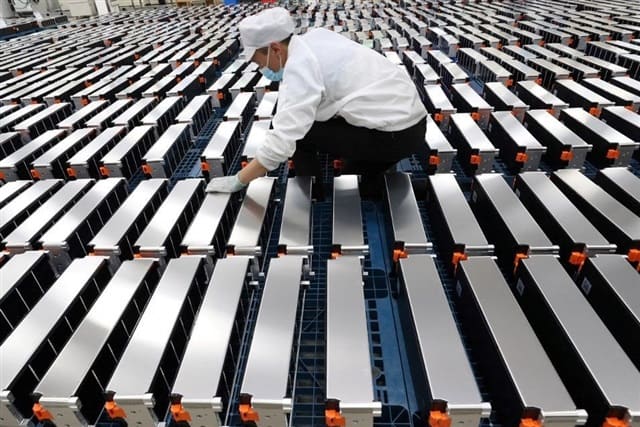
China has terminated its regulatory framework for repurposing used electric vehicle batteries, a decision that removes the legal foundation for cascade utilization and reduces the number of approved battery recycling enterprises by roughly 70 percent. The Ministry of Industry and Information Technology announced the elimination of all provisions related to second-life battery use from its management rules, signaling Beijing's intent to tighten oversight of a sector that has grown rapidly alongside the country's EV boom.
The policy shift affects the entire supply chain for retired power batteries, from automakers and battery manufacturers to the network of firms that previously held whitelist approval for cascade projects. Under the now-abolished framework, batteries removed from electric vehicles could be redeployed in less demanding applications such as stationary energy storage or low-speed vehicles after their automotive service life ended, typically when capacity fell below 80 percent of original specifications.
Safety Concerns Drive Regulatory Tightening
The wholesale removal of cascade utilization language points to mounting concerns over the safety and quality control of second-life battery systems. Industry observers note that the lack of standardized testing protocols and inconsistent degradation patterns across battery chemistries have made it difficult to ensure the reliability of repurposed units. Thermal runaway incidents linked to improperly assessed or refurbished battery packs have prompted regulators across Asia to reconsider frameworks that were designed when battery volumes were a fraction of current levels.
China's EV fleet surpassed 25 million vehicles in early 2026, and the wave of batteries reaching end-of-life in automotive applications is accelerating. The ministry's decision to eliminate the cascade category suggests a preference for direct recycling pathways that recover raw materials rather than extending battery use in secondary markets where monitoring and maintenance standards remain uneven.
Whitelist Consolidation and Market Implications
The reduction in approved recycling firms from several hundred to a smaller cohort reflects stricter technical and operational criteria. Companies that previously specialized in cascade projects will need to pivot toward mechanical and hydrometallurgical recycling processes, or exit the sector entirely. The consolidation is expected to favor larger state-owned enterprises and battery manufacturers with established reverse-logistics networks, while smaller third-party operators face higher barriers to compliance.
For automakers, the policy change introduces new questions about extended producer responsibility and the economics of battery warranty programs. OEMs that had factored residual value from cascade sales into their total cost of ownership calculations will need to revise financial models, potentially raising vehicle prices or adjusting lease terms to reflect the shift toward end-of-life recycling rather than reuse.
Regional Context and Supply Chain Ripples
The move arrives as other markets in Asia refine their own battery lifecycle regulations. South Korea and Japan have introduced mandatory traceability systems for retired EV batteries, and Southeast Asian nations are drafting rules to prevent the region from becoming a dumping ground for untested second-life units. China's decision to step away from cascade utilization may accelerate regional alignment around recycling-first policies, particularly as lithium, nickel, and cobalt prices remain elevated and domestic processing capacity expands.
The regulatory overhaul also intersects with Beijing's broader industrial strategy to secure critical mineral supply chains. By channeling more retired batteries into recycling loops, the government aims to reduce reliance on imported raw materials and support the growth of domestic refiners. Industry data indicate that recycled cathode material can meet cost parity with mined equivalents when battery volumes exceed certain thresholds, a condition China is approaching faster than any other market.
Stakeholders across the battery value chain will now await detailed implementation guidelines, including timelines for existing cascade projects and clarification on permissible refurbishment activities. The ministry has not announced a replacement framework, leaving open the possibility that limited second-life applications may return under stricter certification and monitoring requirements once safety standards are codified.
RELATED STORIES
China's Battery Dominance Faces Quality Test as CALB Defect Spreads
Anand Sundaram · 3 min
China Targets 84% Share of AR-HUD Production by 2031
Cheng Wei-Lun · 3 min

Li Auto Expands Battery Roster with CALB as Third Supplier
Siti Nuraini · 2 min
BYD Sets Sights on 2 Million Overseas Sales in 2026 After Brazil, Europe Surge
Cheng Wei-Lun · 3 min
Spot something wrong? Email editor@briefasia.com. We log every correction publicly.