Finance · Markets
China's Rookie Fund Managers Face Baptism by Fire in AI Correction
June's 50-day market turmoil exposed inexperienced portfolio managers to their first major crisis, with billions in assets under pressure as global AI stocks tumbled
KEY TAKEAWAYS
- ·China's new generation of fund managers faced their first major market crisis during a 50-day AI stock correction in June that erased billions in value globally.
- ·Managers overseeing hundred-million to billion-yuan mandates confronted client redemptions and rapid portfolio declines as tech stocks tumbled in tandem with US markets.
- ·The episode forced funds to tighten risk controls, build cash buffers, and prioritize transparent client communication over performance promises alone.
First Crisis for a New Generation
When global artificial intelligence stocks corrected sharply in June, the tremors reached deep into China's asset management industry. A cohort of portfolio managers who had never navigated a full market cycle suddenly found themselves steering billion-yuan portfolios through 50 days of sustained turbulence.
Yuan Zeqiang was among them. Like many peers who entered the profession during the recent bull run, he had built his career in relatively calm waters. The June correction changed that calculus overnight.
The selloff exposed a structural reality in China's fund management industry: a wave of managers appointed in recent years now controls substantial capital but lacks the scar tissue of prior crises. When AI stocks began their descent, client calls intensified. Redemption requests climbed. Even veterans with decades of experience faced uncomfortable conversations as portfolio values declined.
Scale of the Shock
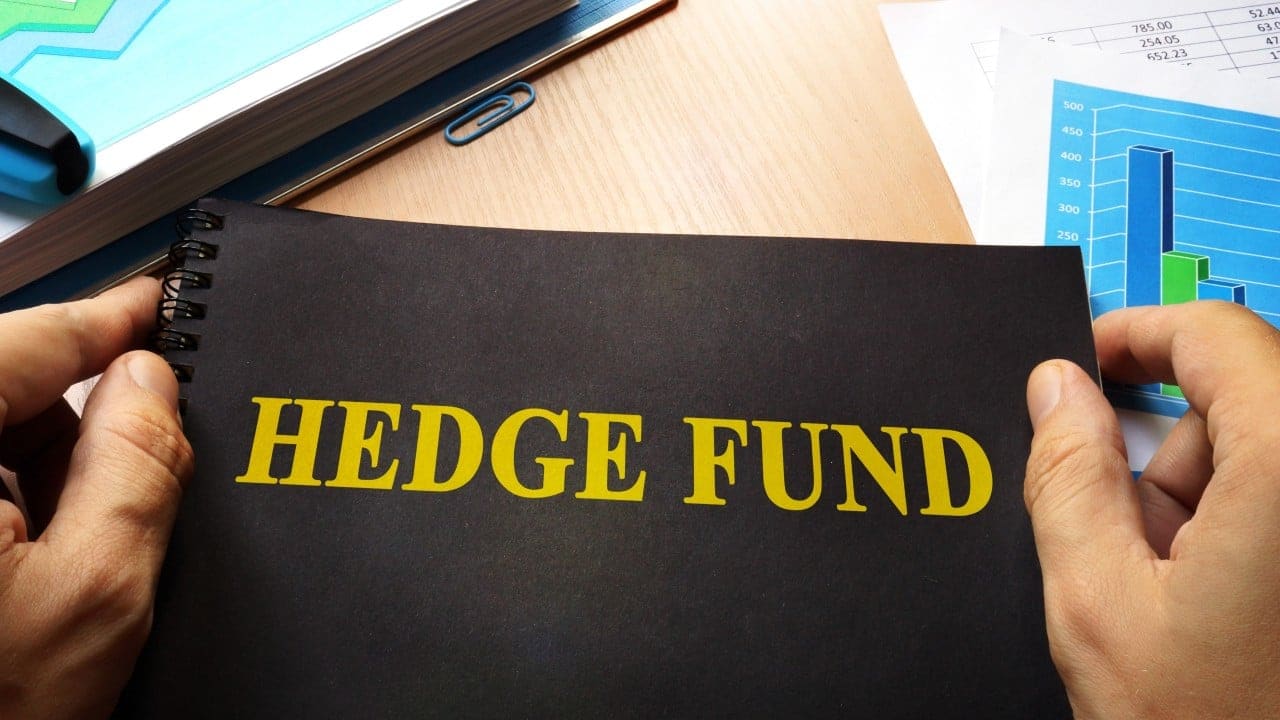
The correction did not originate in Shanghai or Shenzhen. A US hedge fund associated with Leopold Aschenbrenner saw assets drop by more than two-thirds in a single month, signaling the severity of the global repricing. Chinese portfolios with exposure to technology and AI-related equities absorbed similar blows.
For managers overseeing mandates in the hundreds of millions or low billions of yuan, the speed of the decline left little room for error. Position sizing, liquidity management, and client communication became urgent priorities. Those who had modeled risk scenarios in spreadsheets now confronted them in real time.
Lessons in Volatility
The episode served as an accelerated education. Managers learned to distinguish between temporary drawdowns and structural breaks. They recalibrated assumptions about correlation, particularly the degree to which Chinese tech stocks moved in tandem with US counterparts during periods of stress.
Some funds implemented tighter stop-loss protocols. Others revisited their exposure limits to single sectors. A few managers began building larger cash buffers, accepting the drag on returns in exchange for flexibility during dislocations.
Client retention became as important as performance. Managers who maintained transparent communication and articulated clear risk frameworks found it easier to keep capital committed. Those who had over-promised or under-explained their strategies faced steeper redemptions.
Broader Implications for Asia's Asset Management
The June correction arrives at a pivotal moment for China's fund industry. Regulatory reforms in recent years have encouraged the growth of privately managed funds and expanded the pool of licensed managers. Many of these new entrants are young, technically proficient, and familiar with quantitative methods. What they lack is experience with full cycles.
The AI selloff tested whether this generation could manage not just algorithms and backtests, but the human dimensions of portfolio management: fear, doubt, and the pressure of watching capital evaporate. The answers varied.
Asia's institutional investors are watching closely. Pension funds, insurers, and family offices that allocate to Chinese managers now have fresh data on how these teams perform under duress. Track records built during benign conditions carry less weight. Resilience and process discipline matter more.
What Comes Next
The correction has not ended the appetite for AI exposure in Chinese portfolios, but it has introduced caution. Managers are reassessing valuations, particularly for companies with limited revenue but high multiples. They are also examining supply chain dependencies and geopolitical risks that can amplify volatility.
For the rookie managers who weathered June, the experience will shape their approach for years. They now understand that billion-yuan mandates come with billion-yuan responsibilities, and that markets can turn faster than any model predicts. The question is whether the lessons stick, or whether the next rally erases the memory of the last correction.
RELATED STORIES
Lenovo Posts 43% Revenue Jump as Memory Costs Reshape PC Market
Cheng Wei-Lun · 3 min

Hua Hong Turns Profit as Pricing Power Returns to China's Chip Foundries
Cheng Wei-Lun · 3 min
SMIC Captures Pricing Power as Mature-Node Demand Surges
Cheng Wei-Lun · 3 min
Unitree IPO Roadshow Signals Humanoid Robotics Market Still Finding Its Footing
Cheng Wei-Lun · 3 min
Spot something wrong? Email editor@briefasia.com. We log every correction publicly.